

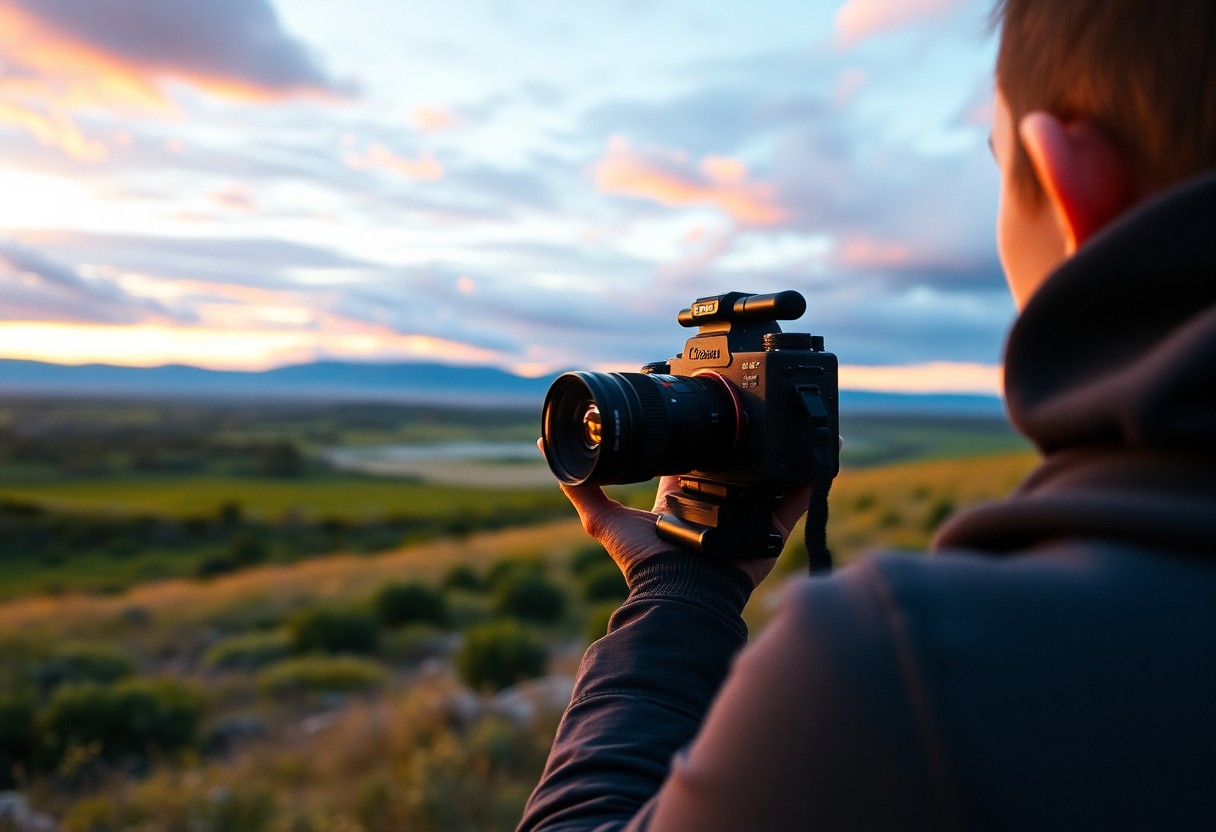
This guide will help you elevate your photography skills by focusing on crucial composition tips that can transform your images into captivating visual narratives. You’ll learn how to utilize elements like the rule of thirds, leading lines, and framing to draw viewers into your photos. Whether you’re a beginner or looking to refine your technique, these practical strategies will enhance your ability to craft stunning images that resonate with your audience. Let’s explore into these tips and unlock new potential in your photography journey.

Understanding Composition
Your composition is the backbone of a captivating image. It involves the arrangement of elements within your frame to create a visually appealing photograph. By mastering composition techniques, you can significantly enhance your storytelling through photography. Whether you’re capturing landscapes or portraits, understanding composition helps guide the viewer’s eye and evoke emotions, making your images more engaging.
The Rule of Thirds
Composition plays a vital role in the rule of thirds, a foundational technique in photography. By dividing your frame into a 3×3 grid, you can position key elements along the lines or at their intersections. This creates a balanced and dynamic composition, often resulting in more visually striking images that draw attention to your subject while providing context and interest in the surrounding space.
Leading Lines
While capturing your subject, you can effectively utilize leading lines to draw the viewer’s eye into the image. These lines can be found in various forms, such as roads, rivers, or architectural features, guiding the viewer’s gaze toward the focal point of your photograph.
Leading lines help create depth and perspective in your images, providing a natural path for the viewer to follow. By strategically incorporating these lines within your composition, you can enhance the overall storytelling aspect of your photograph, making it not only more appealing but also more engaging as it invites viewers to explore the entire frame.
Utilizing Light Effectively
There’s no doubt that light can make or break your photos. Mastering how to harness light effectively will elevate your images and help convey the desired mood or atmosphere. Whether you’re shooting indoors or outdoors, understanding the nuances of light can enhance your composition, transform a scene, and engage your audience’s imagination.
Natural Light
Even the simplest outdoor photography can be transformed by natural light. Shooting during the golden hour, just after sunrise or before sunset, brings warm tones and soft shadows that add depth and dimension to your images. Understanding how to position your subject relative to the light can dramatically improve the visual impact of your photos.
Artificial Light
Any light source can be utilized to enhance your photos, but artificial light opens up a world of creative possibilities. From studio lamps to flashes, you have the power to manipulate and shape the light to achieve your desired effect.
The key to effective use of artificial light lies in its control. You can adjust intensity, direction, and color temperature to create dramatic effects or subtle ambiance. Experiment with softboxes or diffusers to soften harsh shadows, or try using reflectors to bounce light back onto your subject. By mastering artificial light, you’ll enrich your compositions and expand your creative options, making your photography stand out.
Framing Your Subject
Clearly, framing your subject is an imperative technique to draw viewers’ attention and create a strong visual impact. By using elements in your surroundings, you can provide context and depth that enhances your photograph. Whether you are shooting landscapes or portraits, understanding how to effectively frame your subject sets the foundation for captivating images.
Natural Frames
The utilization of natural frames can significantly enhance your photography. Look for elements such as trees, archways, or windows that can encase your subject. These elements not only direct the viewers’ gaze but also provide a sense of place and intimacy, making your images more engaging and memorable.
Creative Framing Techniques
Framing your subject creatively opens up a world of possibilities in your photography. You can experiment with foreground elements, utilize negative space, or even incorporate unusual perspectives to create dynamic compositions that stand out. By breaking conventional rules and thinking outside the box, you can elevate your photographic storytelling.
Techniques like using leading lines can guide the viewer’s eyes towards the subject, while layering elements in the foreground can add depth. Consider framing your shot from different angles or heights to offer a fresh perspective. Experiment with shadows and reflections to create intriguing compositions that capture attention and provoke thought, ultimately making your images more captivating.

Balancing Elements in Your Image
To create captivating images, it is necessary to balance the various elements within your composition. A harmonious arrangement ensures that no single aspect overshadows another, leading the viewer’s eye naturally throughout the frame. By strategically positioning your subjects and considering the visual weight of each element, you can cultivate a sense of equilibrium that enhances your photography’s overall impact.
Symmetry vs. Asymmetry
Any photograph can benefit from understanding the dynamics of symmetry and asymmetry. Symmetrical compositions offer a sense of order and tranquility, making them pleasing to the eye. On the other hand, asymmetrical layouts can evoke energy and interest, drawing attention to key elements in an unexpected manner. Deciding between these approaches depends on the story you want to convey and the feelings you aim to evoke in your audience.
Contrast and Color Balance
Balancing the contrast and color in your image is vital for creating visual interest and harmony. A thoughtful interplay of colors can guide the viewer’s attention while enhancing the overall mood of your composition.
With contrasting colors, you can achieve a dynamic feel that adds depth and vibrancy to your photographs. Utilizing complementary and analogous color schemes can help create balance while also making your focal points stand out. Pay close attention to the color temperature, saturation, and the relationships between different hues in your frame. These elements work together to draw the viewer in and create an engaging experience within your image.

Incorporating Foreground and Background
Keep in mind that effectively using both the foreground and background can enhance your image’s storytelling. By incorporating interesting elements in both areas, you create a sense of place and context, drawing the viewer into your photograph. Use foreground elements to frame your subject, while ensuring that the background supports and complements the overall composition rather than distracts from it. This balance is key to creating more engaging images.
Layering for Depth
Some photographers achieve stunning depth by layering elements in their images. Start by placing subjects at varying distances from the camera, allowing the viewer’s eye to traverse through the scene. This technique adds dimension and creates visual interest, encouraging the viewer to explore the photograph rather than merely glancing at it. Experiment with different layers, adjusting your aperture to control depth of field and focus on specific elements for varied results.
Background Clarity
Incorporating clarity in the background is important to maintaining focus on your subject while providing context. The background should enhance the narrative of your photograph without competing for attention. Opt for simpler backgrounds or use techniques like blurring to minimize distractions. This approach allows your subject to stand out clearly, making your overall composition more effective and compelling.
Foreground elements play an important role in creating contrast with the background, allowing your subject to pop. By ensuring that your background remains clear and uncluttered, you can guide the viewer’s attention directly to your main subject. Techniques such as utilizing a shallow depth of field can help achieve this clarity and focus. Balance is important; a well-defined background complements without overshadowing the subject, leading to a more cohesive and striking image.
Experimenting with Angles and Perspectives
All photographers should take advantage of varying angles and perspectives to elevate their compositions. By stepping outside of the conventional eye level, you can uncover unique viewpoints that add depth and intrigue to your images. Experiment with tilting your camera, moving closer or further from your subject, or changing your position entirely, as this can drastically alter the way viewers perceive your work and provoke interest.
High vs. Low Angles
You can significantly influence the mood of your photograph by choosing high or low angles. A high angle can make your subject appear smaller or more vulnerable, while a low angle can impart a sense of power and dominance. Experimenting with these perspectives presents you with an opportunity to portray your subjects in different lights and allows for more dynamic compositions.
Unique Perspectives
On the other hand, capturing unique perspectives can transform ordinary scenes into extraordinary images. Break away from traditional views and explore unconventional angles, such as shooting through objects or from unexpected vantage points. This approach invites your audience to see the world through your eyes and creates a fresh narrative.
The ability to find unique perspectives lies in your willingness to explore and try new things. Look for reflections, shadows, and leading lines that can guide the viewer’s eye and draw them into your frame. Incorporating interesting foreground elements or using creative framing techniques not only adds complexity to your composition but also makes your images more engaging and visually appealing.
To wrap up
Conclusively, mastering composition is crucial for elevating your photography. By understanding and applying techniques like the rule of thirds, leading lines, and symmetry, you can create images that resonate with viewers. Always consider your subject, framing, and lighting to enhance your visual storytelling. With practice, you can develop your unique style and consistently produce captivating images that showcase your artistic vision. Embrace these tips and watch your photography transform.
Leave a Reply
You must be logged in to post a comment.