
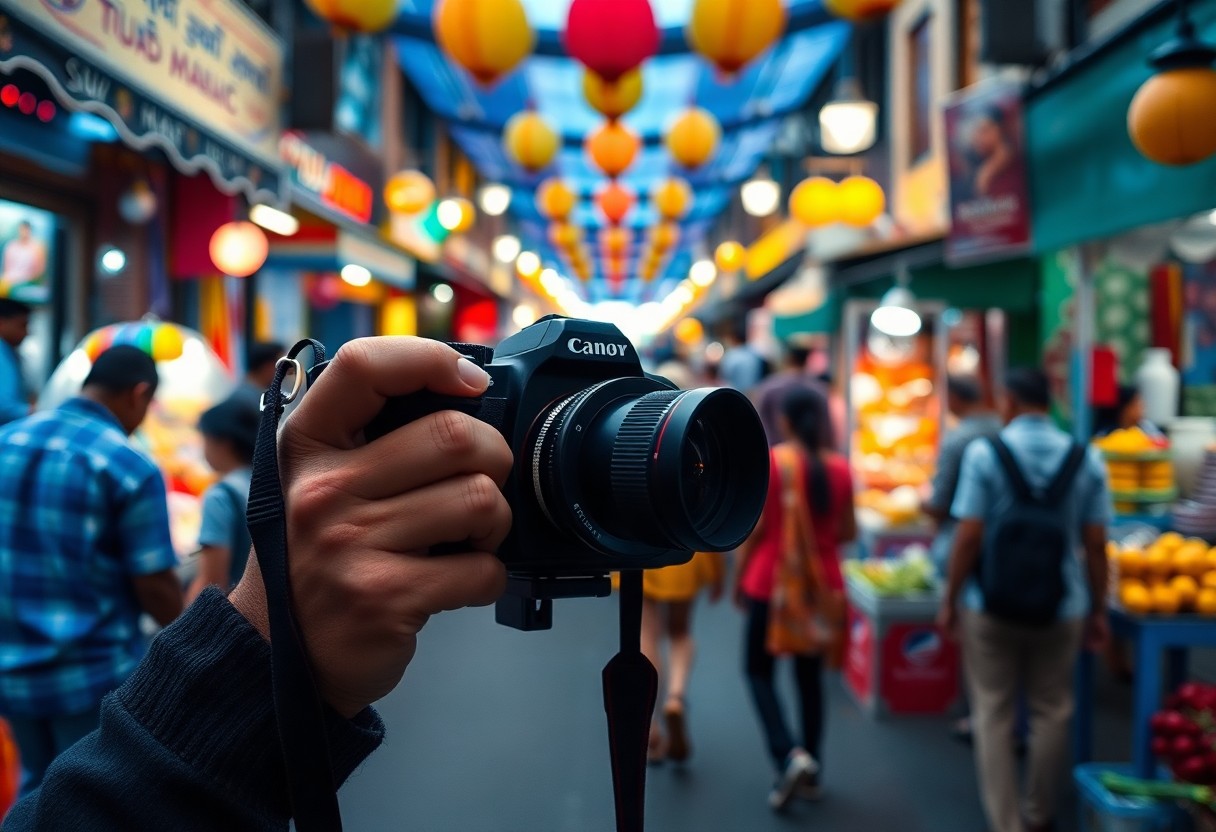
Just by weaving storytelling into your photography portfolio, you can elevate your work from mere images to compelling narratives. Each photograph you take tells a story, and when you harness this potential, you engage your audience on a deeper level. Understanding how to incorporate elements of storytelling helps to create emotional connections and convey your artistic vision more powerfully. In this blog post, you’ll discover practical tips on how to enhance your portfolio through storytelling, ultimately showcasing your unique perspective and creativity as a photographer.
Crafting a Compelling Narrative Through Visuals
Developing a purposeful narrative forms the backbone of effective photography. Each photograph should serve a greater context, inviting viewers to explore the deeper story behind the image. Crafting a narrative allows your audience to connect emotionally with the work, bridging the gap between them and what your lens has captured. This connection can transform a simple picture into an evocative story that encapsulates moments, emotions, and experiences, ultimately enhancing your portfolio and artistic voice.
Elements of a Story in Photography
Every compelling photograph encompasses key elements of storytelling, such as a protagonist, a setting, and a conflict. The subject often serves as the protagonist, drawing viewers into their world, while the background provides context and atmosphere. By capturing moments of tension or resolution, you can illustrate a narrative arc, transforming a series of images into a cohesive story that resonates with your audience.
Techniques for Integrating Narrative and Imagery
Integrating narrative into your photography involves techniques such as setting the scene, capturing emotions, and using symbolism. Consider framing your subject within a context that tells a story—an old man gazing out at a sunset might evoke themes of nostalgia or transition. Utilize color, composition, and lighting to evoke feelings, guiding your viewers on an emotional journey. Experimenting with series photography can also strengthen the narrative flow, inviting viewers to engage with the imagery sequentially.
To effectively merge narrative with imagery, explore storytelling through different perspectives and compositions. Look for juxtaposition between subjects and backgrounds to add depth and contrast. For example, photographing a child playing in a rain-soaked street can evoke joy against a backdrop of melancholy. Additionally, incorporating personal elements—like your own experiences or cultural references—can ground your work in authenticity, further enriching your narrative. Use captions or a series of images to enhance clarity, ensuring your audience appreciates the story you’re telling through your lens.
Evoking Emotion: The Key to Providing Impact
Impactful photography transcends mere visuals; it resonates on an emotional level. By focusing on evoking emotion, you invite viewers to connect with your work on a deeper plane. Each photograph should evoke joy, nostalgia, or even sadness, sparking a response that lingers in the mind long after viewing. The power of emotion can elevate your portfolio, transforming ordinary images into memorable experiences that tell powerful stories of human experience.
Understanding Emotional Triggers in Visual Storytelling
Emotional triggers serve as catalysts for engagement. In visual storytelling, understanding how color, composition, and subject matter can elicit specific emotions is pivotal. For instance, warm tones often evoke feelings of nostalgia, while darker shades can stir unease or mystery. This knowledge enables you to craft images that not only capture attention but also resonate with the viewer’s inner feelings, allowing for a more profound and impactful narrative.
Creating a Connection Through Personal Experiences
Your unique journey can be a rich source of inspiration, allowing you to create photographs that resonate with your audience. Sharing personal experiences through your images fosters intimacy and relatability, inviting viewers into your world. This connection often leads to greater emotional responses, as people can see their own stories reflected within yours. When you infuse your work with personal history, you create a bridge of understanding and empathy that can leave a lasting impression.
Incorporating personal experiences into your photography also allows you to explore themes that are meaningful to you, whether that’s love, loss, or triumph. For example, an image depicting a family gathering might not just be a photograph of people together, but instead capture the essence of your childhood memories, joys, and challenges. By sharing these layered narratives, you position your audience to not only view but feel the emotions you felt during that moment, creating a unique bond that enhances the impact of your portfolio. Through this connection, you elevate your storytelling, making your work relatable and unforgettable.
The Power of Sequencing: Curating Your Visual Journey
Sequencing your photographs effectively creates a visual narrative that guides viewers on a journey. The way you arrange your images can evoke emotions and build tension, leading to a more memorable storytelling experience. When considering the flow of your portfolio, think about how each image interacts with the next and how the overall sequence contributes to the story you’re telling.
Structuring a Cohesive Flow in Your Portfolio
Establishing a cohesive flow ensures that your visuals resonate with one another, creating a unified narrative thread. Start by organizing your images to reflect a beginning, middle, and end, allowing your audience to experience the evolution of your story. Pay attention to rhythm by alternating lighter and darker themes or varying perspectives, which can enhance engagement and maintain interest throughout your showcase.
The Role of Juxtaposition in Narrative Building
Juxtaposition serves as a powerful tool in storytelling, creating depth through contrasts. By placing opposing images side by side—such as light versus dark or stillness against movement—you invite viewers to engage with your work on a deeper level. This contrasting relationship can evoke emotions and provoke thought, enriching the overall storytelling experience.
Incorporating juxtaposition into your portfolio allows for layers of interpretation. For instance, pairing an image of a serene landscape with a bustling city scene can evoke feelings of longing or exploration, contrasting stillness with chaos. This strategy prompts viewers to reflect on their own experiences and emotions, ultimately deepening their connection to your photography. By inviting the audience to observe these contrasts, you foster an interactive dialogue that enhances the collective narrative of your portfolio.
Engaging the Audience: Tips for Creating Resonance
Storytelling has the power to deeply engage your audience and create resonance. To evoke emotion and encourage connection, consider the following strategies:
- Utilize relatable themes that reflect shared human experiences.
- Incorporate compelling characters or subjects that viewers can empathize with.
- Infuse your work with sensory details that transport the audience into the scene.
- Encourage personal reflections through open-ended questions or prompts.
Knowing your storytelling approach can significantly enhance the resonance of your photography.
Identifying Your Target Audience
Understanding who you’re speaking to shapes your narrative style and visual choices. Consider demographics, interests, and the emotions you want to evoke. Photographers often find clarity by creating a persona for their ideal viewer, guiding them in crafting both the content and tone of their portfolio to resonate with specific groups.
Building Audience Interaction into Your Photographic Story
Integrating audience interaction opens up a dynamic communication flow between you and your viewers. By inviting comments, posing questions, or even utilizing interactive elements in your storytelling, you can draw your audience into the narrative. Leveraging social media platforms also enhances this interaction; for example, using Instagram stories for polls or quizzes can encourage feedback and create a more engaged audience.
Practical Applications: Strategies for Portfolio Enhancement
Creating a compelling photography portfolio goes beyond showcasing technically proficient images; it involves weaving a narrative that invites viewers into your creative world. Start by selecting images that collectively tell a story or evoke a specific feeling. Organize them in a way that guides the viewer through your artistic journey, whether it’s through themes, moods, or events. Incorporate captions or brief descriptions that provide context, which enhances the viewer’s understanding and emotional connection to your work.
Techniques for Shooting with Storytelling in Mind
Focus on the elements that contribute to a story within your compositions. Consider the relationship between subjects, the environment, and the emotions conveyed. Capturing candid moments often creates a more authentic narrative; aim for shots that reveal the underlying connections and experiences of your subjects. Experiment with varying perspectives and focal lengths to draw attention to key details, making each photograph integral to the overall story you wish to share.
How to Edit and Present Work with Narrative Focus
Editing plays a pivotal role in refining the narrative of your photography portfolio. As you process your images, maintain consistency in color grading and tonal adjustments to create a cohesive visual style. Focus on eliminating distractions that may detract from the story, emphasizing the elements that pull the viewer’s eye. Consider presenting your images in themed series or sequences that flow seamlessly, allowing your audience to engage with the entire narrative arc you’ve crafted.
Effective editing also involves the thoughtful selection of images to include in your portfolio. Aim to tell a succinct story through your choices—less is often more. For instance, if you’re showcasing a travel photography series, select images that represent different aspects of your experience, like vibrant landscapes, local culture, and candid moments with people. This curated approach not only enhances the visual appeal but also establishes a stronger narrative thread that resonates with viewers and helps them immerse themselves in your journey.
Final Words
Presently, incorporating the art of storytelling into your photography portfolio can significantly elevate your work, making it more engaging and memorable. By weaving narratives into your images, you allow your audience to connect emotionally with your subjects. This approach not only showcases your technical skills but also your ability to convey deeper meanings and experiences through visual art. As you develop this skill, you’ll find that your portfolio becomes a powerful representation of your unique perspective and artistic voice, setting you apart in a competitive field.






Leave a Reply
You must be logged in to post a comment.