
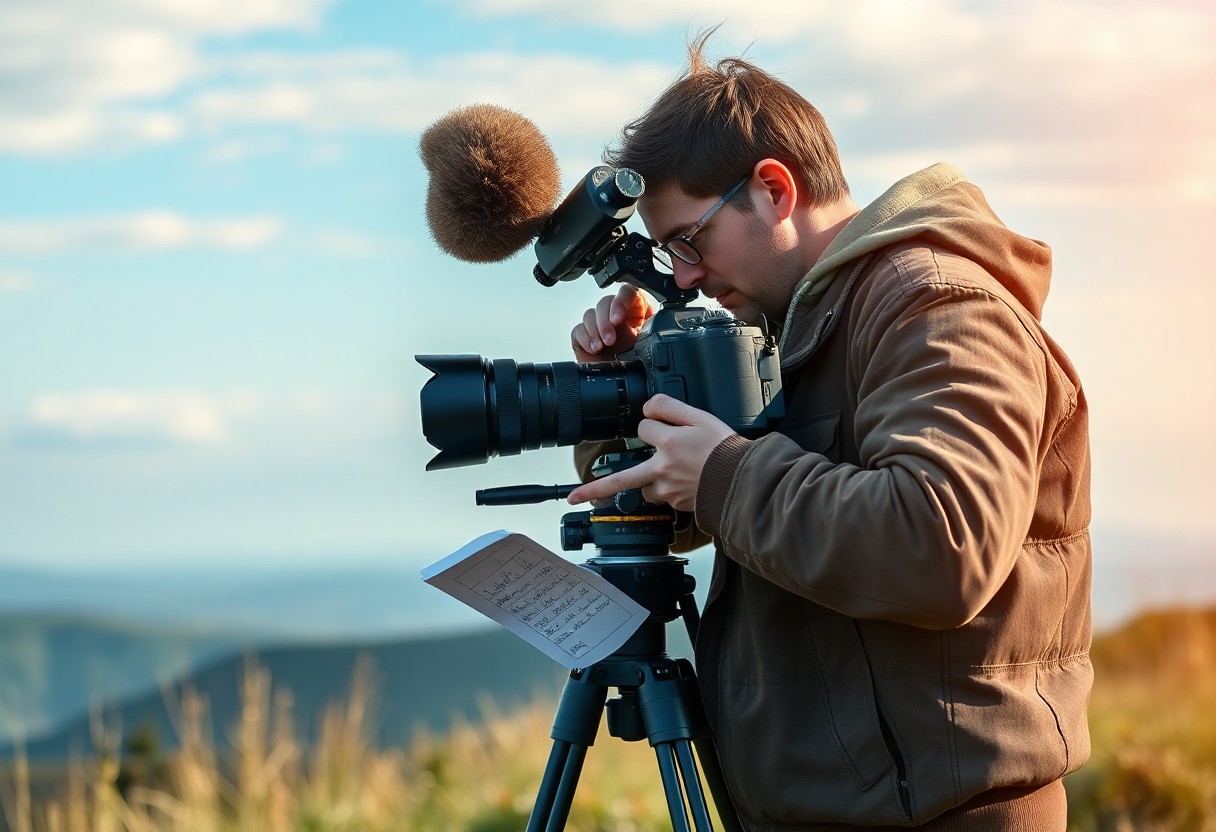
Techniques that focus on composition, lighting, and post-processing can elevate your photography from simple snapshots to works of art. By mastering elements like leading lines, the rule of thirds, and creative use of shadows, you enhance your visual storytelling. Exploring advanced applications of depth of field and experimenting with textures can unlock new dimensions in your images. Additionally, refining your editing skills allows you to apply your unique vision in post-production, ensuring your final result resonates with your audience. This blog post will guide you through these intricate techniques to enrich your photographic journey.
Understanding Lighting
For any photographer seeking artistic mastery, an in-depth understanding of lighting is necessary. Properly harnessed light can transform ordinary scenes into stunning compositions. Whether you’re working in a studio or venturing outdoors, mastering both natural and artificial light will greatly enhance your creative vision and technical proficiency.
Natural vs. Artificial Light
For your photography to stand out, knowing the nuances of natural and artificial light is vital. Natural light offers a range of moods and tones influenced by time of day and weather conditions, while artificial light provides you with the ability to create your desired ambiance at will. Understanding both will empower you to choose the right source for your vision.
The Golden Hour Effect
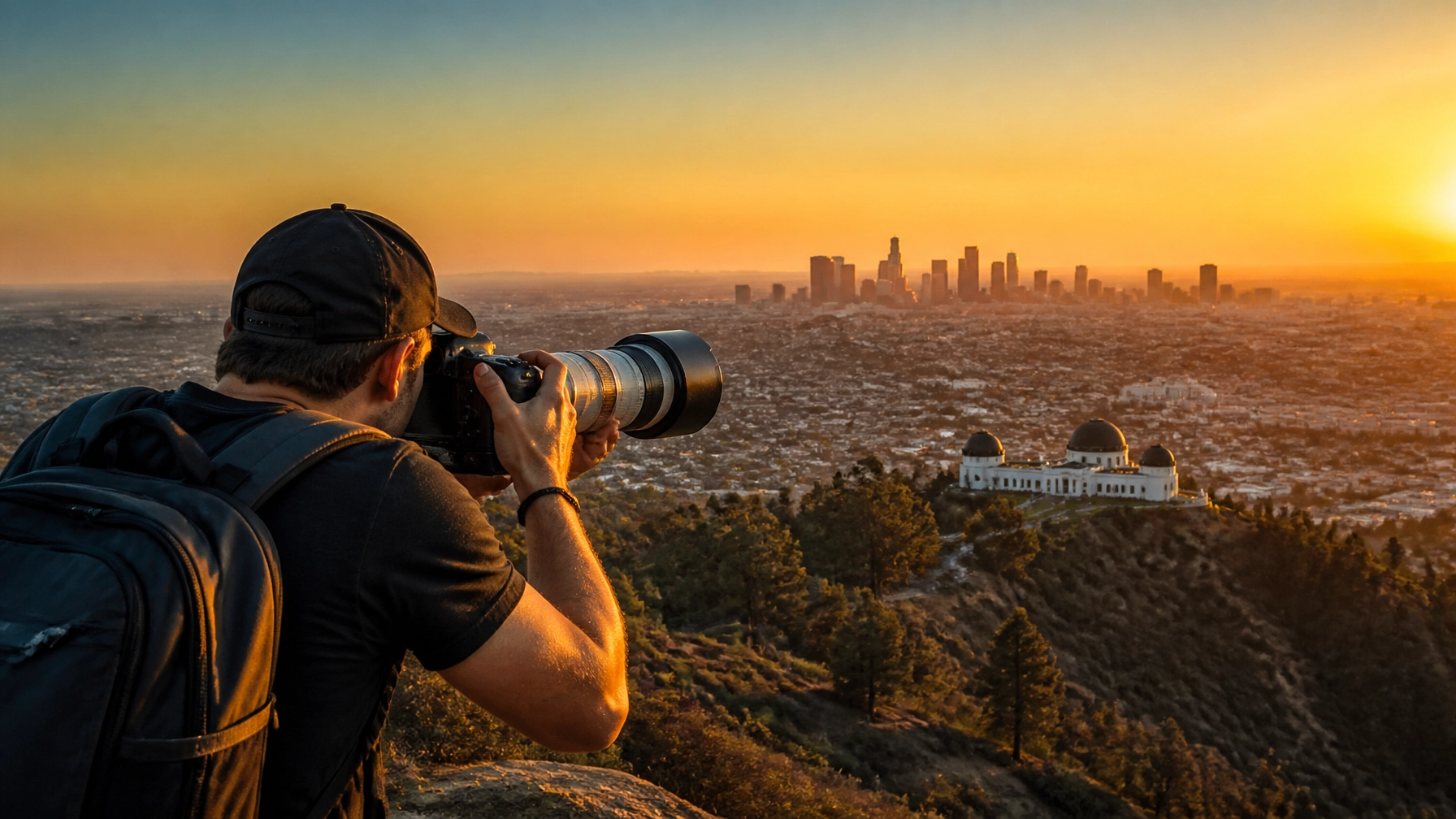
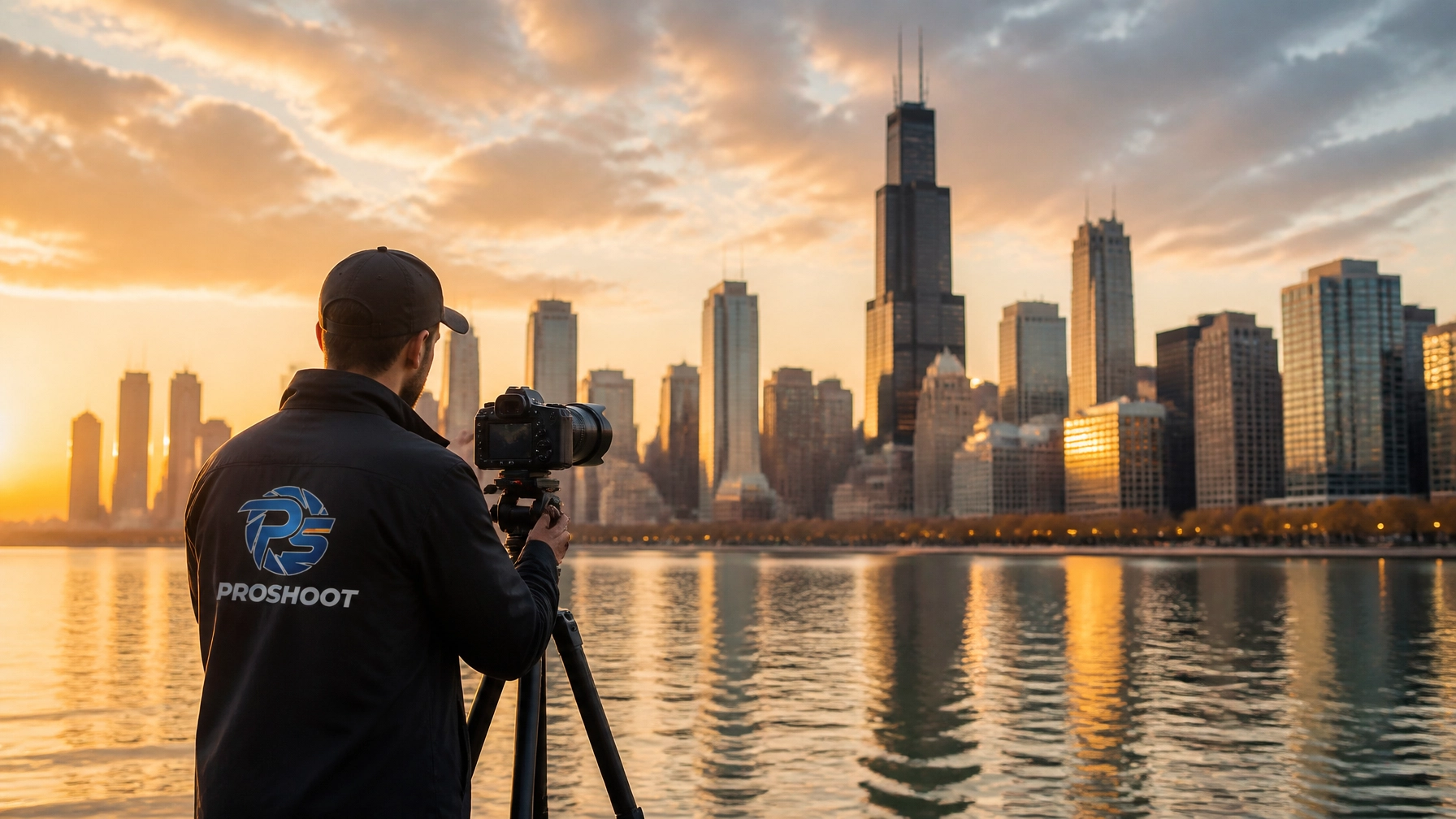
Above all, the golden hour effect is a favorite among photographers for its unparalleled quality of light. During this magical time, just after sunrise and before sunset, the sun casts a warm, soft glow that can enhance your images with rich colors and long shadows. Capturing moments during this period can dramatically elevate the mood and depth of your photographs.
Effectively exploiting the golden hour can lead to awe-inspiring images. The slanted rays create a flattering light that gently illuminates your subject while minimizing harsh contrasts. To make the most of this time, plan your shoots around these golden moments, scouting locations beforehand to anticipate light angles and potential compositions. This technique not only enriches your images but also helps you develop a keen eye for lighting in various environments.

Composition Techniques
While composition techniques play a vital role in transforming your photography from simple snapshots into compelling art, understanding their nuances can enhance your visual storytelling. Mastering these techniques allows you to guide the viewer’s eye, evoke emotions, and create a sense of balance and harmony within your images.
Rule of Thirds
Before entering into composition, familiarize yourself with the Rule of Thirds. By dividing your frame into a 3×3 grid, you can position key elements along the grid lines or at their intersections, resulting in more dynamic and engaging photographs. This technique encourages balanced compositions that draw the viewer’s attention naturally.
Leading Lines and Framing
Between crucial composition techniques, the use of leading lines and natural framing can significantly influence the impact of your images. Leading lines guide your viewer’s gaze toward the subject, creating depth and perspective, while framed elements—like doorways or branches—help contextualize your subject, adding layers to your visual narrative.
Techniques such as employing roads, rivers, or architectural features as leading lines can draw the viewer into the scene, providing a sense of journey and exploration. Similarly, by incorporating framing elements that encircle your subject, you help create focus and isolation, effectively enhancing the overall composition. By integrating these strategies, you enrich your storytelling and captivate your audience more effectively.
Mastering Depth of Field
Now that you understand the fundamentals, mastering depth of field can transform your photography from ordinary to extraordinary. This technique allows you to control the focus area in your images, enabling you to guide viewers’ attention to specific subjects or create an immersive sense of space. By employing depth of field in your compositions, you can evoke emotion and emphasize storytelling effectively.
Understanding Aperture
Any serious photographer knows that aperture is a key element in controlling depth of field. It refers to the size of the lens opening through which light passes, significantly impacting your photos’ sharpness and focus. By adjusting the aperture setting on your camera, you can achieve various effects—from a sharp background to a beautifully blurred backdrop, thus creating visual interest.
Bokeh and Background Blur
One popular technique that leverages depth of field is the creation of bokeh, which describes the aesthetic quality of the out-of-focus areas in an image. This effect is achieved by using a wide aperture, resulting in a blurred background that enhances your subject’s prominence and adds a dreamy quality to your photographs.
Field conditions greatly influence the bokeh effect you can achieve in your photographs. When you photograph a subject with a fast lens at a wide aperture (like f/1.8 or f/2.8), the background becomes creamy and soft, isolating the subject and making it pop. Additionally, the shape of the lens diaphragm affects the bokeh quality, with some lenses producing more pleasing and circular blur patterns. Understanding how to maneuver your settings and lens choice allows you to craft stunning images that capture your audience’s attention and imagination.
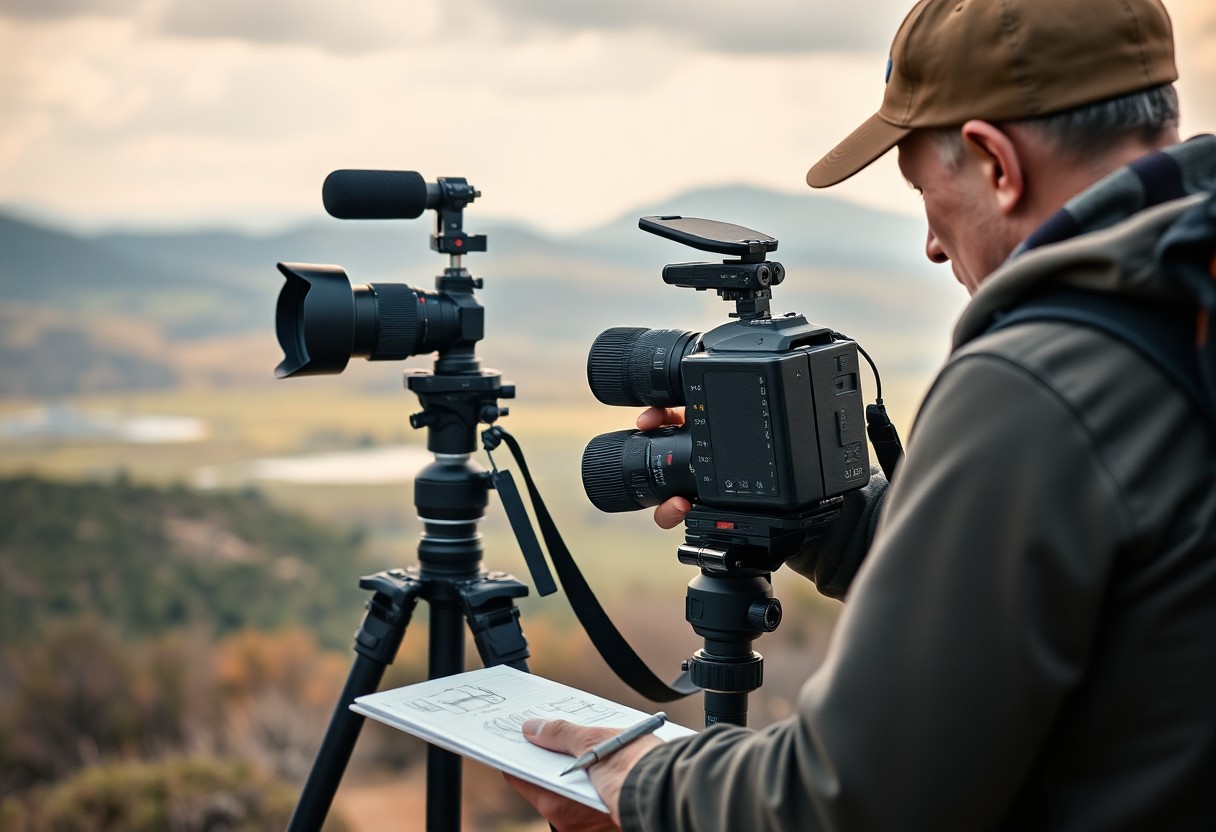
Color Theory in Photography
Not every photographer understands the powerful impact of color theory on their work. By mastering this discipline, you can enhance the emotional resonance of your photos. Utilizing color effectively allows you to create mood, direct attention, and influence your audience’s perception. This knowledge transforms ordinary images into compelling visual narratives, elevating your photography to artistic mastery.
The Psychology of Color
On your photographic journey, consider how colors evoke emotions and shape viewer perceptions. For instance, warm colors like red and orange can elicit feelings of warmth and excitement, while cooler colors such as blue and green tend to provide a sense of calm. By understanding the psychology behind colors, you can intentionally craft compositions that resonate deeply with your audience.
Color Harmony and Contrast
Psychology plays a pivotal role in how you utilize color harmony and contrast in your imagery. Balancing complementary and analogous colors fosters a visual flow that enhances the overall appeal of your work. You can create striking compositions by deliberately introducing contrasting colors, drawing attention to specific elements within your photograph. This understanding not only attracts the viewer’s eye but also adds depth and texture to your images.
Color harmony involves using colors that are visually pleasing and that communicate a coherent theme. When you combine harmonious colors, the feel of your image becomes more cohesive and inviting. On the other hand, employing contrast effectively creates dramatic visuals that highlight necessary features of your composition. By experimenting with different color combinations, you can find what resonates best with your style while captivating your audience’s attention.
Post-Processing Essentials
Keep in mind that post-processing is where your photographs truly evolve into art. It allows you to refine the initial capture and imbue your images with your unique style. Through adjusting elements like exposure, contrast, and color balance, you can transform a simple photo into a captivating masterpiece. Mastering these imperatives can significantly enhance your overall photographic narrative.
Editing Basics with Software Tools
About the fundamental aspects of photo editing, tools such as Adobe Lightroom and Photoshop offer user-friendly interfaces and powerful features. You should start by cropping images for better composition, adjusting the brightness and contrast for clarity, and using basic color correction to bring your photos to life. Familiarizing yourself with these functions will lay the foundation for more advanced techniques.
Advanced Techniques to Enhance Your Images
Your journey into advanced image enhancement begins with understanding selective adjustments and layer management. These techniques allow you to highlight specific areas, while maintaining the integrity of your photo’s original vision. Increased mastery of these methods will enable you to further refine your artistry and create more visually compelling images.
|
Another effective method involves the use of creative filters and textures, which can add depth and mood to your images. Experimentation is key, as blending these elements with your original photo can yield striking results. Take the opportunity to explore various styles while developing your own aesthetic, allowing for an individualized approach to post-processing techniques.
|
Developing Your Unique Style
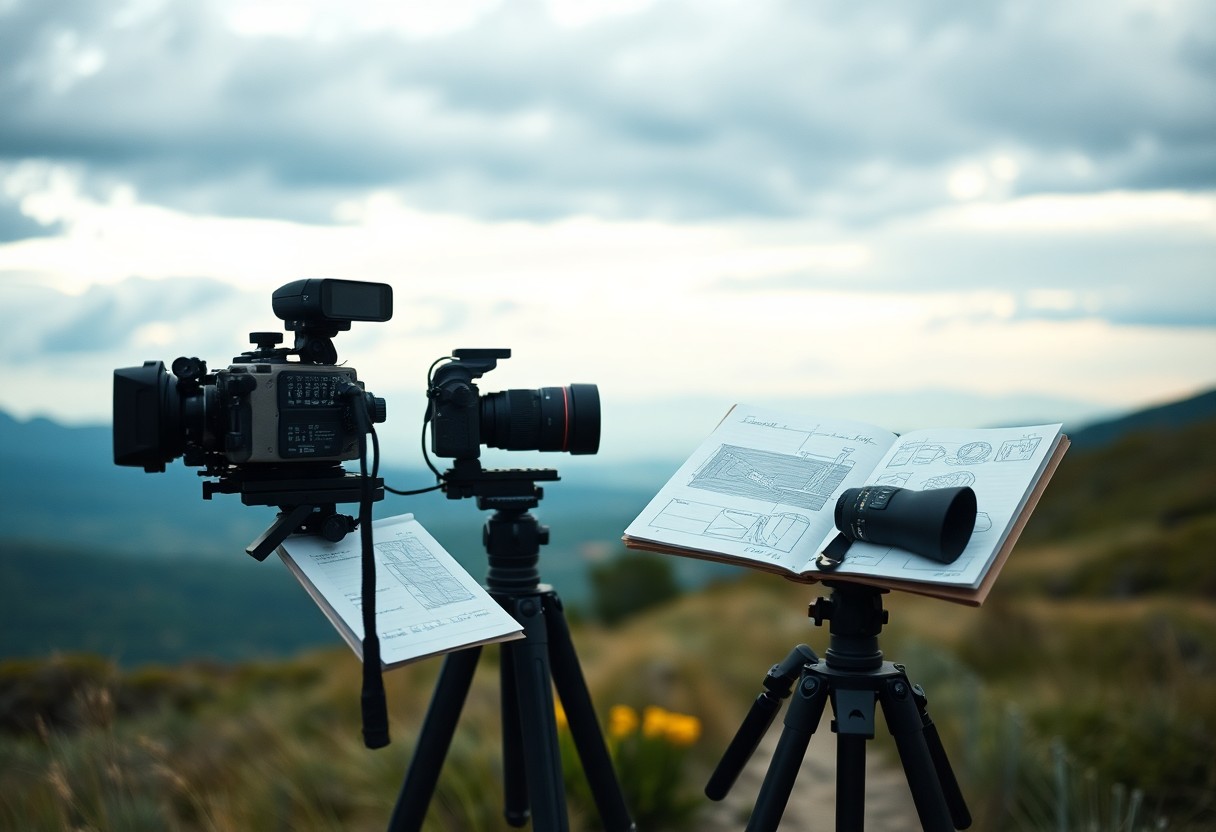
Your journey in photography is not just about mastering technical skills but also about developing a unique style that reflects who you are as an artist. This distinctive voice sets your work apart from others, allowing viewers to connect with your perspective. Embrace experimentation, explore various genres and techniques, and be unafraid to showcase your individuality. Your artistic journey will evolve as you continue to refine your style, turning each photograph into a personal expression of your vision.
Influences and Inspirations
By examining the work of photographers you admire, you can uncover the elements that resonate with you. Analyzing their compositions, subject choices, and storytelling techniques will help you identify what captivates your interest. Use these influences as a foundation while allowing your creativity to flourish. View art, read books, and immerse yourself in various cultures to expand your horizons and fuel your artistic growth.
Finding Your Artistic Voice
By thoughtfully combining your influences with personal experiences, you can begin to uncover your artistic voice. This voice is the unique perspective through which you see the world, transforming your photography into a powerful form of communication. It allows you to convey your emotions, thoughts, and stories effectively, ensuring that your work resonates with viewers on a deeper level.
Even as you explore various styles, themes, and techniques, remember that your artistic voice will naturally evolve over time. This process requires patience and self-reflection, leading you to discover your core values, interests, and emotions, which ultimately shape your photographic narrative. Embrace the journey, and let each image you create be a step towards a more authentic expression of who you are as an artist.
Conclusion
With these considerations, you can elevate your photography into realms of artistic mastery by employing intricate techniques such as composition, lighting, and post-processing. Each element plays a significant role in transforming ordinary shots into extraordinary visuals. By remaining mindful of your use of color, perspective, and storytelling, you can create compelling images that resonate with your audience. As you experiment and refine your approach, you’ll find your unique artistic voice shining through, setting your work apart in the ever-evolving world of photography.




Leave a Reply
You must be logged in to post a comment.