

Just as every event tells a unique story, capturing that story through photography requires skill and attention to detail. In this post, you will discover 10 imperative tips that will elevate your event photography, ensuring you document every moment beautifully. From mastering lighting techniques to understanding composition, these tips will not only enhance your photos but also help you connect with your subjects. Get ready to transform your approach and create stunning images that truly reflect the essence of your events!
Plan Ahead
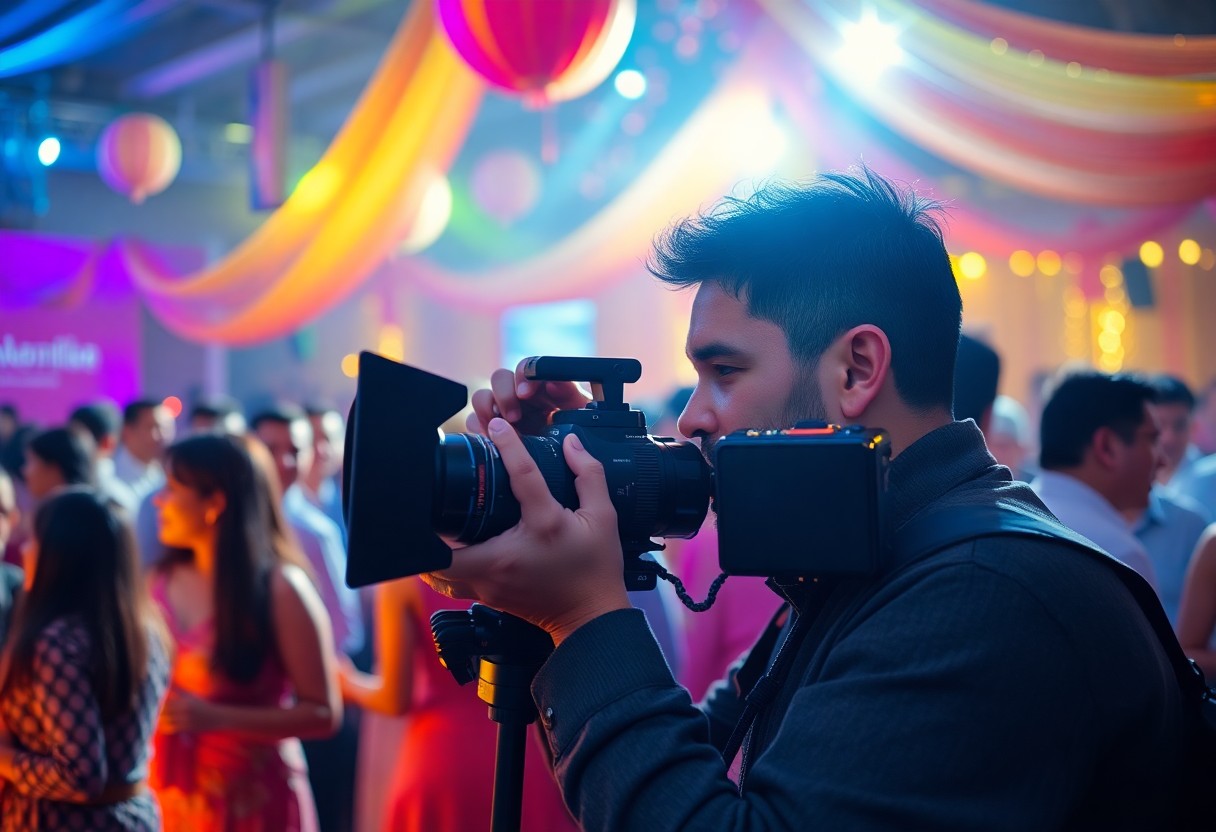
A well-executed plan is the cornerstone of successful event photography. Start by outlining your shots, understanding the schedule, and preparing your gear in advance. Knowing what to expect allows you to focus on capturing the magic of the event without any stress. By planning ahead, you enhance your chances of taking stunning photos and delivering a memorable experience for your clients.
Scout Locations
There’s nothing like firsthand experience to understand the best angles and compositions for your shots. By visiting the venue before the event, you can identify ideal backgrounds, check for potential distractions, and determine how the layout will affect your workflow. This preparation will empower you to navigate the space efficiently and creatively when the event unfolds.
Analyze Lighting Conditions
You’ll want to take note of the natural and artificial lighting sources present in the venue. Understanding the quality, direction, and intensity of light allows you to make informed decisions about your camera settings and equipment. This knowledge is necessary for capturing moments accurately and beautifully.
You can further enhance your understanding of lighting conditions by observing how they change at different times during the event. Take test shots with your camera to assess how different settings affect exposure and color balance. Consider bringing portable light sources or reflectors if necessary. Being adaptable to these conditions will significantly improve your event photography outcomes.
Know Your Gear
Some of the most stunning event photography comes from a thorough understanding of your gear. Familiarize yourself with each piece of equipment, whether it’s your camera body, lenses, or accessories. Take the time to explore your camera’s settings, as knowing how to adjust for light conditions and subject movement can dramatically enhance your shots. A deep knowledge of your gear allows you to react quickly and effectively during an event, helping you to seize those fleeting moments that make your photography stand out.
Use Appropriate Lenses
Now is the time to choose the right lenses for your photography style and the specific event. Wide-angle lenses are perfect for capturing group shots and expansive venues, while telephoto lenses excel at shooting candid moments from a distance. Selecting the right lens not only impacts the composition but also plays a vital role in the quality of your images, allowing you to craft stunning visuals that convey the essence of the event.
Check Battery Life
Clearly, battery life is a significant factor in ensuring you don’t miss any important moments during an event. Keeping an eye on your battery levels will help you stay prepared and focused on your photography rather than worrying about running out of power. Always carry extra batteries, and make it a habit to check your battery status before you start shooting, especially if you anticipate a long event. This preparation will allow you to capture every moment without interruption.
Battery issues can catch even the most experienced photographers off guard, so being proactive is imperative. You should regularly inspect your batteries for any signs of wear or damage and replace them if necessary. In cold or very hot environments, battery performance can suffer, leading to unexpected failures. To mitigate this, keep your batteries warm in your pocket during outdoor events in cold weather. By taking these steps, you ensure long-lasting performance, allowing you to focus entirely on capturing the stunning event moments without any concerns about your gear.
Capture Emotions
It’s vital to capture the emotions of your subjects during any event. Those feelings—joy, excitement, love—are what make your photos resonate with the viewer. By focusing on the emotional connections and spontaneous reactions among guests, you can tell a story that goes beyond mere documentation. As you navigate through the event, look for moments where emotions are palpable, creating lasting memories through your photography.
Focus on candid moments
Little distractions can lead to some of the best shots. Avoid staging every photo, as candid moments often provide the raw emotion and authenticity that staged ones lack. Keep your camera ready and remain observant; the most memorable images often occur in fleeting instances, revealing genuine interactions between guests. These unguarded moments speak volumes and elevate the overall narrative of your event photography.
Look for genuine smiles
Any moment illuminated by a genuine smile can elevate your event photography significantly. Seek out those instances where laughter is spontaneous, and expressions are sincere, as they convey true happiness. The warmth that comes from a real smile can captivate an audience and evoke feelings that resonate long after the event has ended.
Emotions are the heart of effective event photography, and genuine smiles are particularly powerful indicators of joy. Capture these moments by being present and responsive to your surroundings. Look for interactions that spark delight, whether it’s a joyous greeting or a heartfelt toast. When people smile authentically, they exhibit an openness that translates beautifully through your lens, creating images that tell a story and evoke emotions far beyond the visual. Prioritize these connections when shooting, as they will enrich the overall impact of your photographs.
Pay Attention to Details
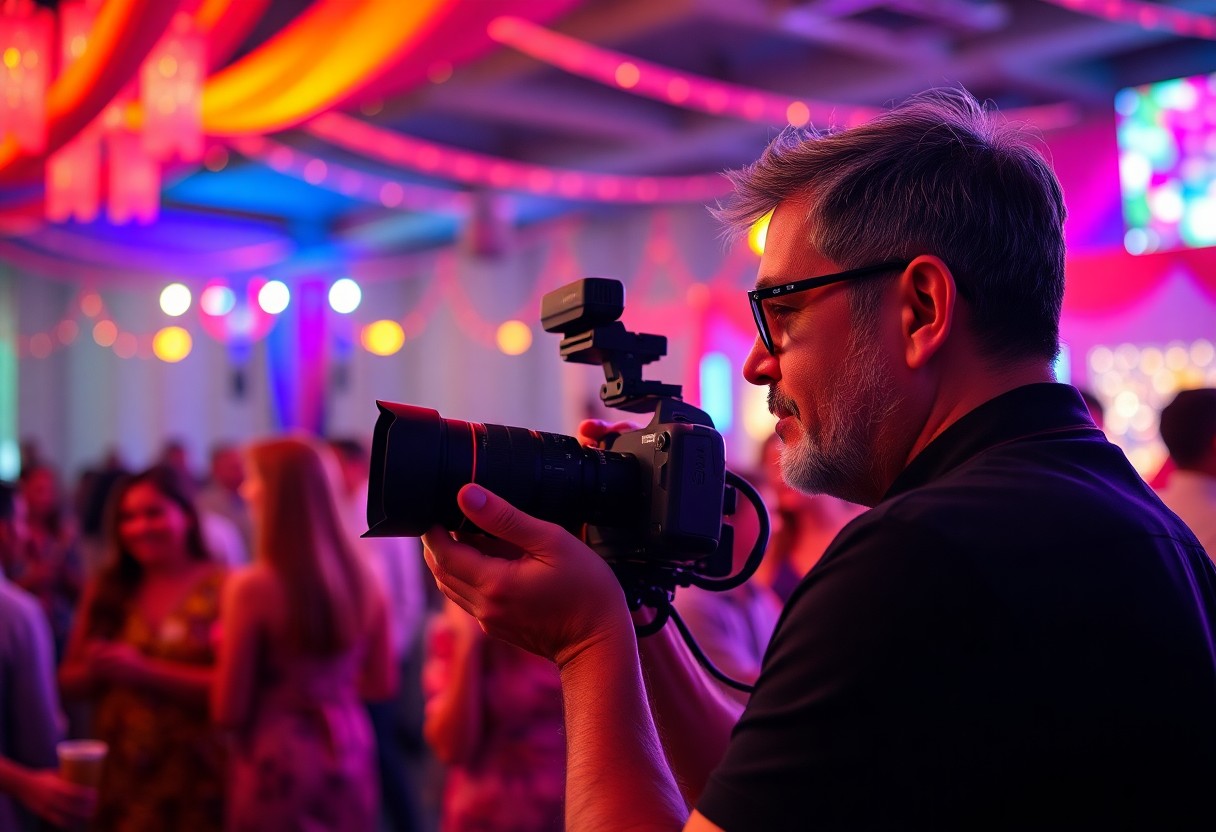
After capturing the main moments at an event, don’t overlook the finer details. These intricate features help tell the complete story and add depth to your photography. Whether it’s the intricate centerpieces, the table settings, or the unique decorations, focusing on these aspects enriches your narrative, making your images more compelling and memorable.
Photograph Decorative Elements
Little touches, such as floral arrangements or personalized decor, can elevate your photographs. These decorative elements not only enhance the aesthetic of your shots but also reflect the theme and mood of the event. Make sure to capture these items in various angles and compositions to showcase their beauty effectively.
Capture Significant Accessories
Elements like jewelry, invitations, and keepsakes also play a vital role in portraying the essence of the event. Apost this, identify and photograph items that have personal or sentimental value to the attendees. These accessories can convey emotions and stories, allowing your photographs to resonate deeply with viewers.
A well-placed shot of a stunning piece of jewelry or a unique accessory can serve as a powerful storytelling element in your event photography. By including these items in your composition, you create a more immersive experience for the audience, inviting them to appreciate the significance behind each detail. When you highlight these accessories, you also capture the personality and style of the event, leaving a lasting impression on your viewers.
Utilize Natural Light
Not all lighting is created equal, and using natural light can elevate your event photography significantly. Position yourself near windows or outdoors to harness the soft, diffused light that will enhance your subjects, making your images look more vibrant and authentic. Embrace changing natural light conditions throughout the event to create a diverse array of beautiful shots.
Avoid Harsh Shadows
With the sun’s position and intensity fluctuating during the day, it’s important to avoid capturing harsh shadows on your subjects. Look for shaded areas or use diffusers to soften light when needed, ensuring that your images remain flattering and free from distracting shadows that can detract from the overall composition.
Photograph During Golden Hour
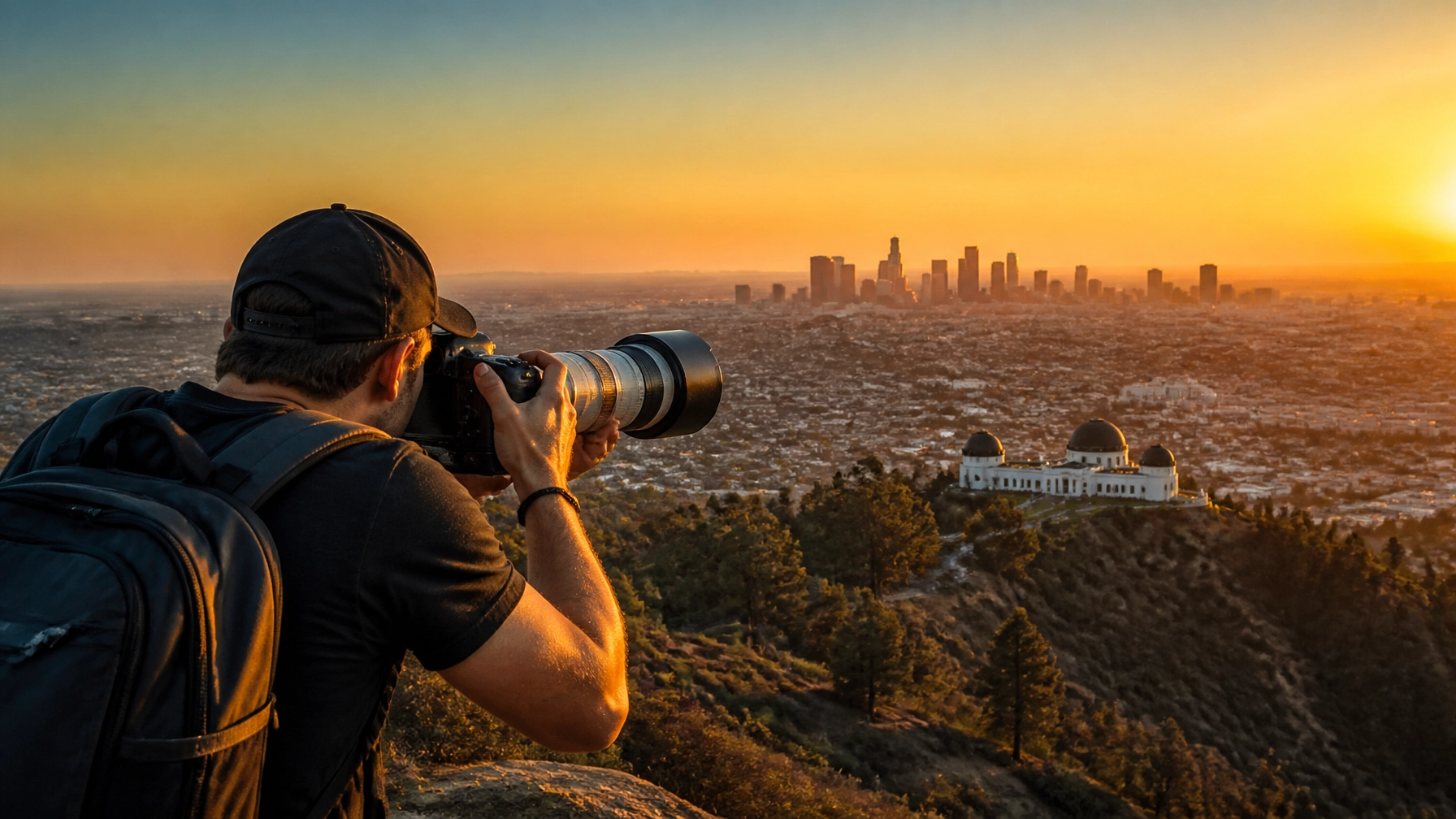
On days when the sun is setting or rising, the golden hour provides the perfect backdrop for stunning event photography. The warm, golden hues create a magical atmosphere that enhances skin tones and adds depth to your images. By planning your shoot around this time, you can capture breathtaking photos that resonate with viewers.
You can maximize the beautiful effects of golden hour by timing your shots closely with sunrise or sunset. This natural light casts a warm glow, resulting in softer and more flattering shadows. Position your subjects facing the light to highlight their features while maintaining a harmonious and pleasing composition. Experiment with various angles and perspectives to find the most captivating shots, showcasing the enchanting qualities of your surroundings.
Composition Matters
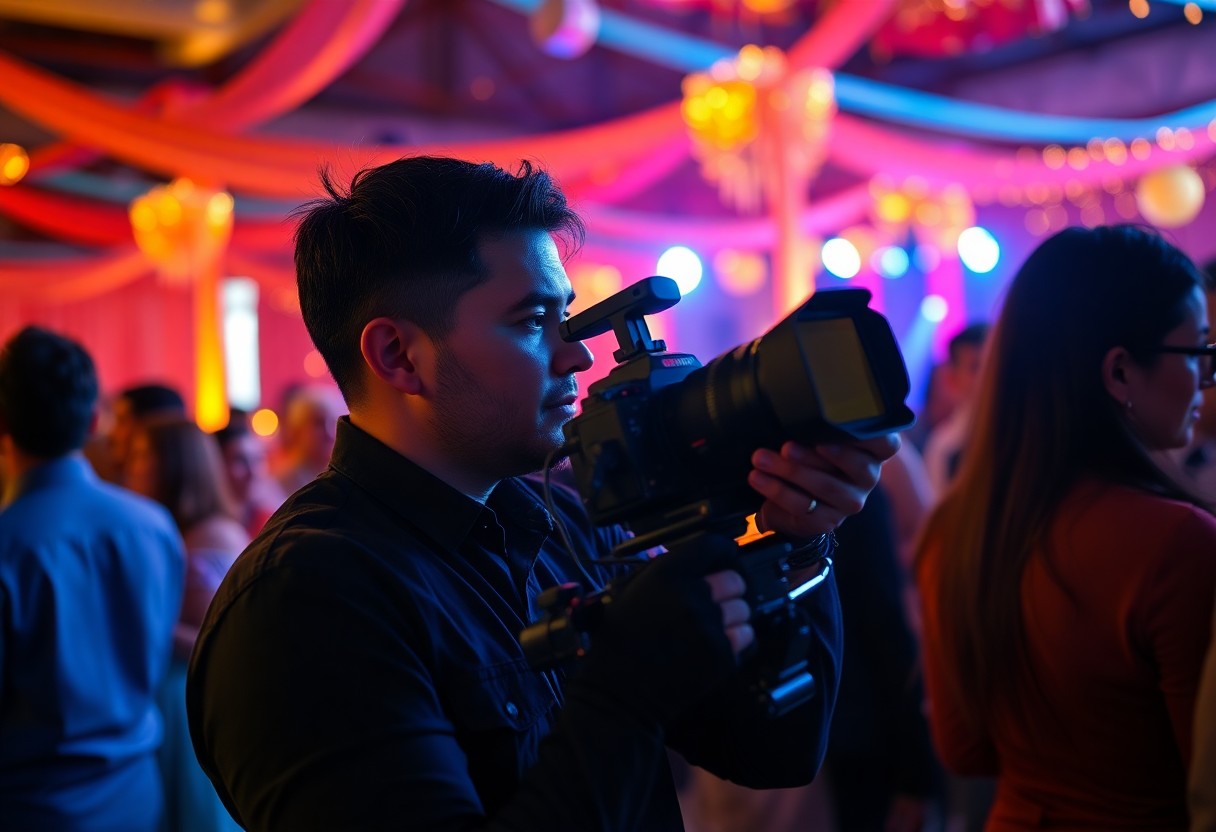
Unlike casual snapshots, thoughtful composition plays a vital role in elevating your event photography. By considering how each element within your frame interacts with one another, you can create images that are not only visually appealing but also tell a compelling story. A well-composed shot draws viewers in and guides their attention to key moments and subjects, enhancing the overall impact of your work.
Rule of Thirds
Thirds can significantly enhance your composition. Instead of placing your subject dead center, imagine dividing your frame into nine equal sections using two vertical and two horizontal lines. Positioning your focal points along these lines or at their intersections creates a more dynamic and balanced image. This technique invites the viewer’s eye to wander, making the photograph much more engaging.
Leading Lines Technique
Composition can be dramatically improved through the use of leading lines. These are lines within your frame that guide the viewer’s eye towards the focal point of your image, creating a sense of depth and perspective. Utilize natural lines such as roads, paths, or architectural elements to draw attention to significant subjects in your event photography. By effectively incorporating leading lines, you direct the viewer’s gaze and enhance the narrative of the scene.
Rule of thumb for using leading lines is to look for opportunities in your surroundings that can create a natural flow. Whether it’s the curvature of a staircase, the natural lines of a table setting, or even people’s movements, capturing these lines can emphasize depth and draw attention. This technique not only beautifies your composition but also helps in guiding the viewer’s focus, reinforcing the story you want to convey through your imagery.
Get Creative
Once again, let your imagination run wild when it comes to event photography. Don’t be afraid to break conventional rules and try something unique. Play with colors, textures, and unexpected moments. Look for opportunities to incorporate elements that tell a story or evoke emotion. Being creative not only enhances the visual appeal of your images but also makes for a more engaging experience for those viewing your work.
Experiment with angles
On the path to creativity, consider the impact of different angles. Moving away from the standard eye-level shots can lead to striking and dynamic compositions. Get low to capture intimate details or rise above the crowd to show the scale of the event. Varying your vantage points adds depth and can highlight elements that would otherwise go unnoticed.
Use wide shots
You also have the power to create captivating narratives through wide shots. These images provide context and establish the atmosphere of the event, capturing the crowd, the venue, and any key elements all in one frame. Wide shots can evoke a sense of place, allowing viewers to appreciate the scale and ambiance of the event. They are perfect for showcasing both the action and the environment, giving a complete view that single-focus images might miss.
This style works particularly well in crowded scenes where you want to tell a story about the collective experience. Whether it’s a concert, wedding, or festival, wide shots can illustrate interactions, emotions, and the overall vibe. Be mindful of composition to ensure that each element within the frame enhances the story you want to tell. With thoughtful execution, wide shots become powerful tools in your event photography arsenal.
Interact with Guests
Despite the camera being your primary focus, interacting with guests is vital for capturing genuine moments. Engaging with attendees not only breaks the ice but also creates a sense of comfort that encourages them to express themselves freely. This interaction can lead to more authentic photographs, where emotions and connections shine through, making your event photography truly stand out.
Build Rapport
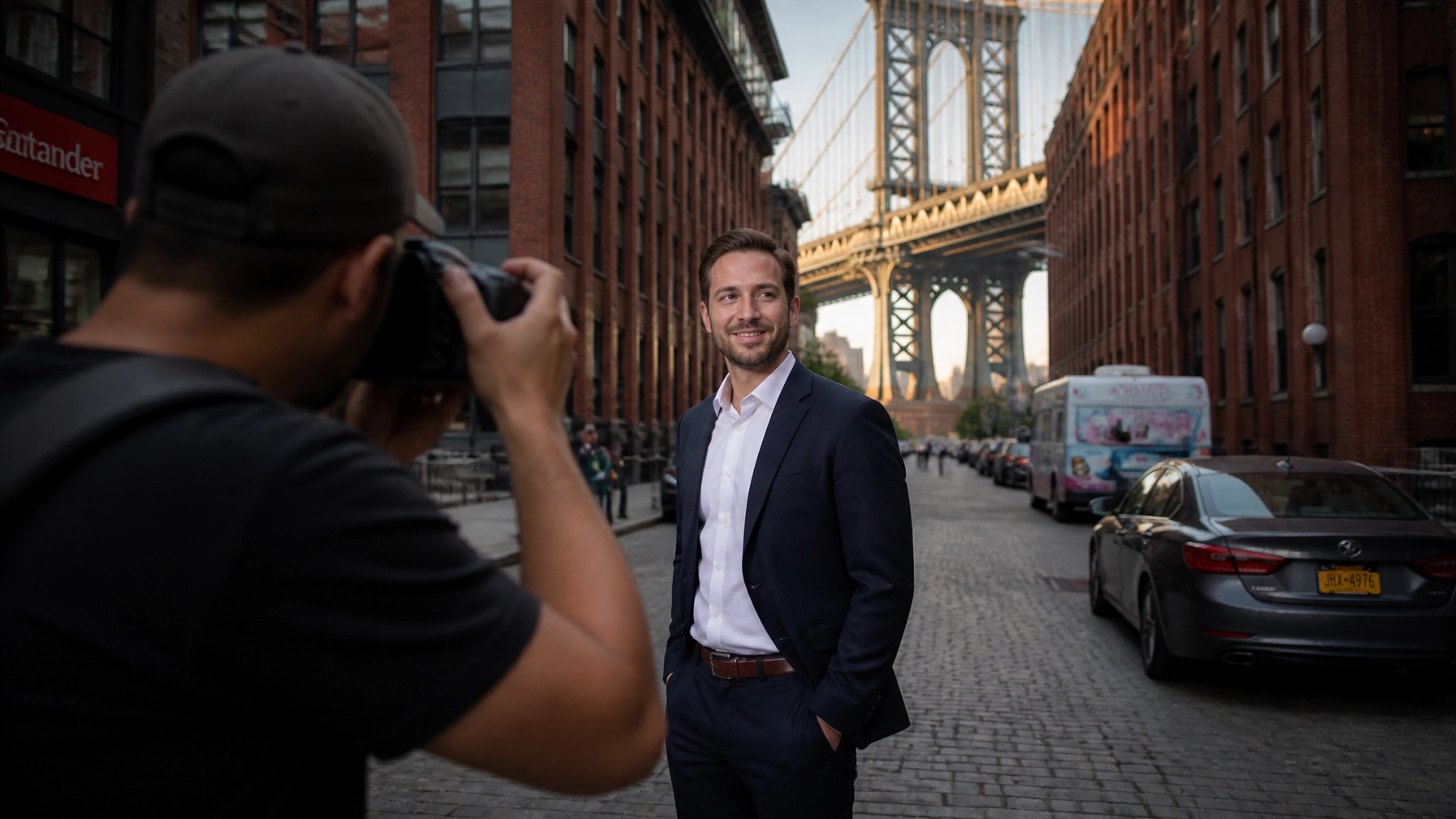
Some of the best photographs happen when you take the time to connect with your subjects. By introducing yourself and making small talk, you can foster a friendly atmosphere that allows people to relax. This rapport helps in building trust, making them more likely to open up and present their true selves in front of the camera.
Encourage Natural Poses
You’ll want to guide your subjects towards natural poses to capture relatable and genuine moments. Rather than directing them to pose stiffly for the camera, encourage them to interact with each other or engage in the activities at the event. This approach results in spontaneous expressions and candid reactions that reflect the event’s atmosphere, bringing your images to life with authenticity.
Natural interactions are key to creating captivating photographs. By directing guests to engage in conversations, dance, or laugh with one another, you can catch those fleeting moments of joy and connection. Consider using open-ended questions that prompt reactions, or suggest activities that may lead to organic interactions. This technique not only enhances the emotional quality of your shots but also allows guests to feel at ease, ultimately translating to stunning photographs that tell the story of the event beautifully.
Be Discreet
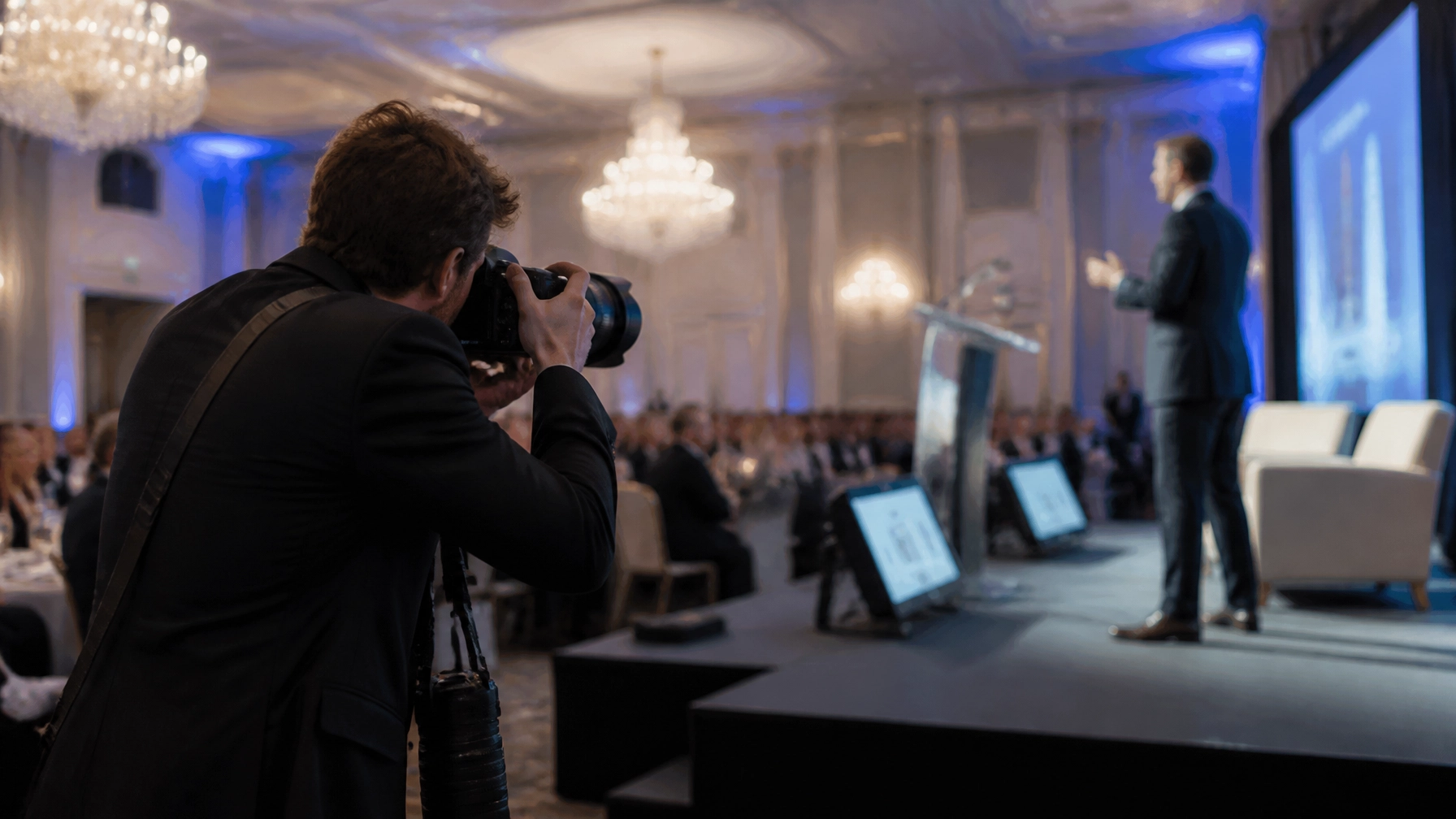
Keep your presence low-key to truly capture the essence of the event. Being discreet allows you to photograph moments as they naturally unfold, rather than interrupting or staging them. Reducing your visibility can lead to more candid shots, which often convey genuine emotion and connection. Engage with the environment without drawing attention to yourself, making it easier to document the event’s atmosphere.
Blend in comfortably
Clearly, your attire plays a vital role in how well you blend in. Choose outfits that match the event’s formality to avoid standing out. Dressing appropriately not only helps you remain unobtrusive but also puts guests at ease, allowing them to act naturally around you. Being aware of your surroundings and conforming to the crowd can significantly impact the authenticity of your shots.
Avoid distracting subjects
Assuming you want to maintain the focus on the main events and emotions, it’s important to steer clear of capturing over-the-top or attention-grabbing subjects that shift the viewer’s focus. This means avoiding people who are engaged in unrelated activities, or even signage and decor that isn’t pertinent to the event’s narrative. By concentrating on the crucial elements, you can present a cohesive and engaging story through your photography.
With a keen eye for detail, you can identify potential distractions and frame your shots to minimize their impact. Pay attention to your background and surroundings—look for moments that highlight the event while filtering out elements that pull attention away from the key subjects. By prioritizing these focal points, you’ll create powerful imagery that resonates with your audience and authentically reflects the event’s atmosphere.
Edit Thoughtfully
Now that you’ve captured stunning images at your event, the editing process is where you can truly elevate your work. Take the time to go through each photo carefully, highlighting the best moments while paying attention to lighting, composition, and color. Thoughtful editing can bring your photographs to life and ensure they accurately reflect the energy of the occasion.
Enhance colors
An effective way to breathe life into your images is to enhance colors during the editing phase. Adjusting saturation and contrast can help create a more vibrant and appealing look, allowing the emotions of your event to shine through in every photograph.
Crop for focus
The best way to draw attention to your subject is through careful cropping. By removing distractions from the edges of your frame, you can create a cleaner composition that highlights the main focus of your shot. This technique allows viewers to engage with the story behind your photograph without any unnecessary noise.
You can experiment with various crop sizes and orientations to find the most effective layout for your images. Whether you choose a tighter crop to emphasize a single subject or a wider one for context, ensure that your subject remains prominent. This technique not only improves visual interest but can also guide viewers’ eyes to the most critical elements in your photographs, giving your event imagery a professional edge.
Conclusion
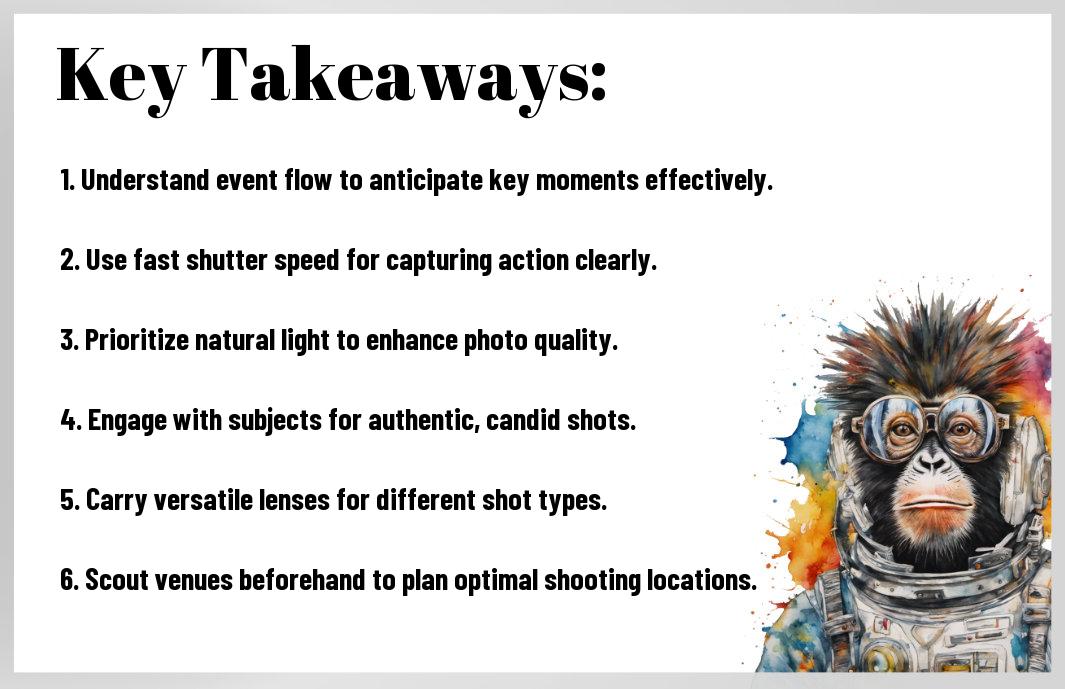
To wrap up, mastering event photography requires attention to detail and an understanding of your environment. By following these 10 necessary tips, you will enhance your ability to capture stunning images that tell compelling stories. Focus on lighting, composition, and candid moments, while also being prepared with the right gear. Engage with your subjects and anticipate key moments to ensure your photos resonate with emotion and excitement. With practice and dedication, you will elevate your event photography skills, creating lasting memories for yourself and your clients.


Leave a Reply
You must be logged in to post a comment.