
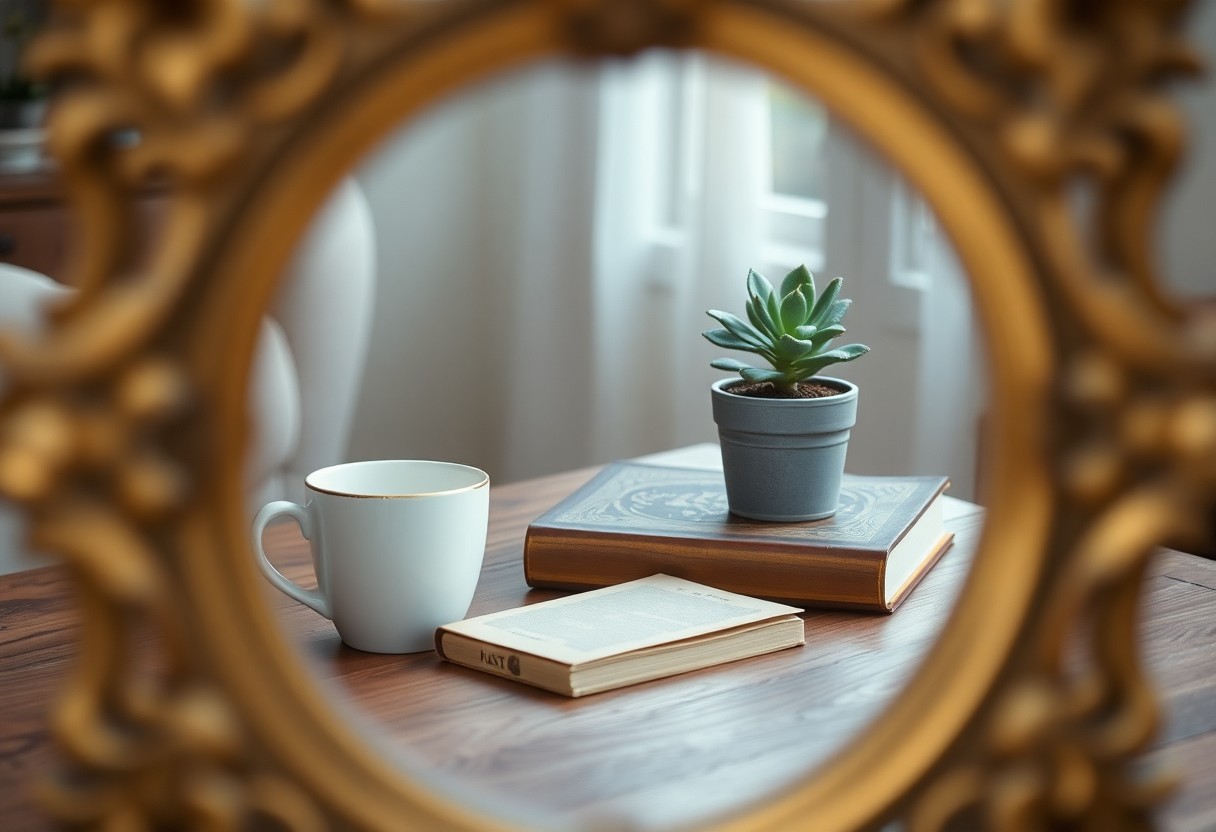
With the right approach, you can transform everyday scenes into captivating visual stories through aesthetic framing. This technique allows you to highlight the overlooked beauty in mundane subjects, encouraging you to view your surroundings with fresh eyes. By strategically positioning your camera or choosing specific angles, you’ll learn how to emphasize textures, colors, and forms that often go unnoticed. In this post, we’ll explore the principles of aesthetic framing and provide you with practical tips to elevate your photography, making the ordinary extraordinary.
Understanding Aesthetic Framing
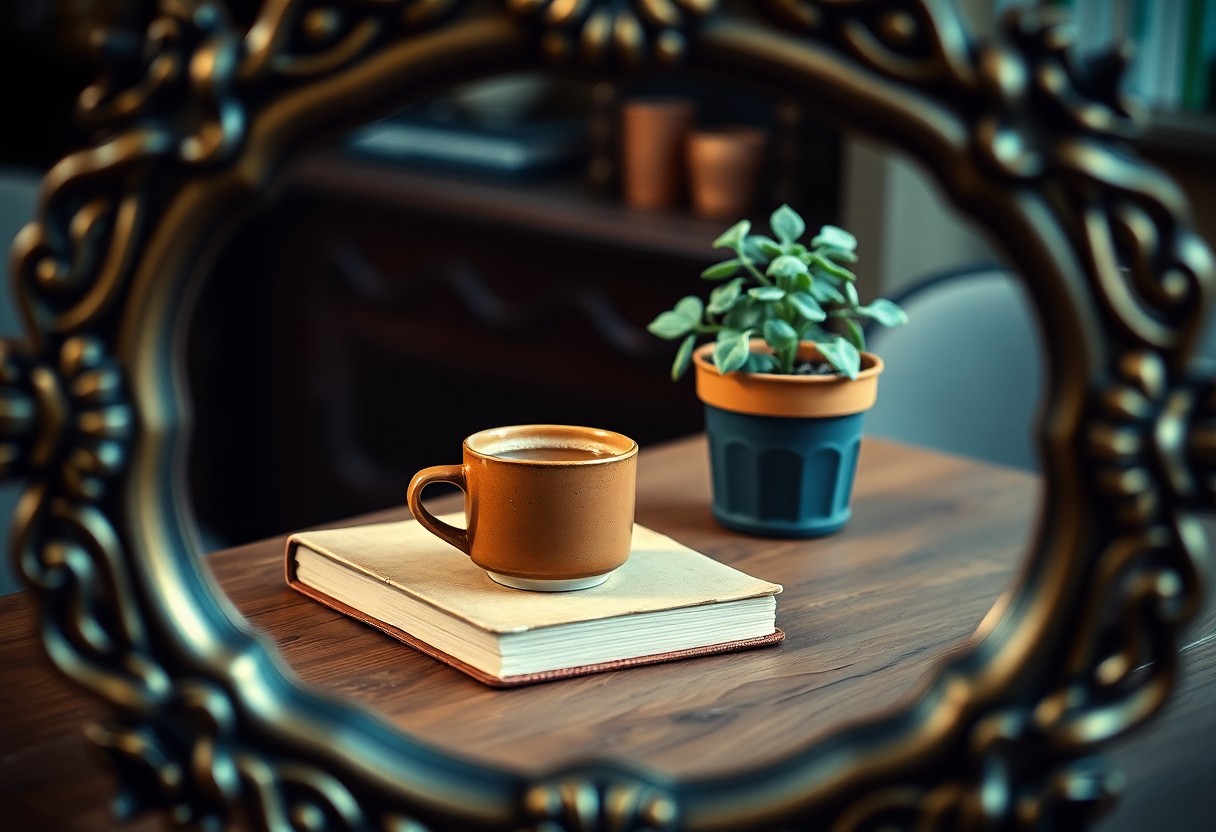
While you may not realize it, aesthetic framing can transform how you perceive and interact with the world around you. This technique allows you to isolate specific elements in your environment, enhancing their beauty and significance. By applying aesthetic framing to mundane subjects, you can reveal underlying textures, contrasts, and moments that often go unnoticed in everyday life.
Definition and Importance
Above all, aesthetic framing refers to the practice of presenting subjects within a specific context or composition that highlights their visual appeal. This approach not only enhances the beauty of ordinary objects but also encourages you to appreciate the intricate details of your surroundings, deepening your connection to the world around you.
History of Aesthetic Framing
Across history, aesthetic framing has been an integral part of artistic expression, influencing how various art forms have developed. From classical paintings to contemporary photography, artists have used framing techniques to draw attention to specific elements, guiding viewers’ focus and interpretation. This practice showcases the evolution of perceptual awareness and the significance of context in visual storytelling.
Consequently, the journey of aesthetic framing is rooted in the desire to communicate and evoke emotions through visual mediums. Artists like Claude Monet and Henri Cartier-Bresson demonstrated how framing can create a narrative or emphasize mood, impacting viewers’ experiences. As photography evolved, the language of framing became more accessible, allowing you, as an individual, to explore and apply these concepts in your creative pursuits, ultimately leading to a richer appreciation of everyday beauty.
The Role of Perception in Aesthetics
Any exploration of aesthetics begins with understanding perception, as how you perceive your surroundings directly influences what you find beautiful or mundane. Your interpretation of objects, spaces, and experiences is shaped by a blend of personal history, emotional responses, and sensory inputs. By adjusting your perspective, you can unlock the innate beauty within everyday subjects, coaxing out their aesthetic qualities and enriching your appreciation of the world around you.
Psychological Aspects
Between your thoughts and feelings lies the intricate web of psychological aspects that shape your perception of beauty. Your emotional state, cognitive biases, and past experiences can dramatically alter how you interpret a subject. Engaging with mundane subjects through a different lens can shift your emotional response, revealing aesthetic intricacies you might have otherwise overlooked.
Cultural Influences
Aesthetics are deeply embedded in cultural context, informing how you perceive beauty in the tangible world. Your cultural background shapes your experiences, beliefs, and preferences, affecting what you consider aesthetically pleasing. The standards can vary significantly, leading to broader definitions and interpretations of beauty that challenge the mundane.
Also, cultural influences extend into various realms, from art and design to language and traditions. Each culture encapsulates unique aesthetic values and symbolism, which shape your worldview. For instance, certain colors, shapes, or patterns may resonate differently depending on your cultural roots. By understanding these influences, you can enhance your appreciation for the beauty in ordinary subjects, recognizing the depth of cultural narratives that enrich your aesthetic experience.
Techniques for Aesthetic Framing
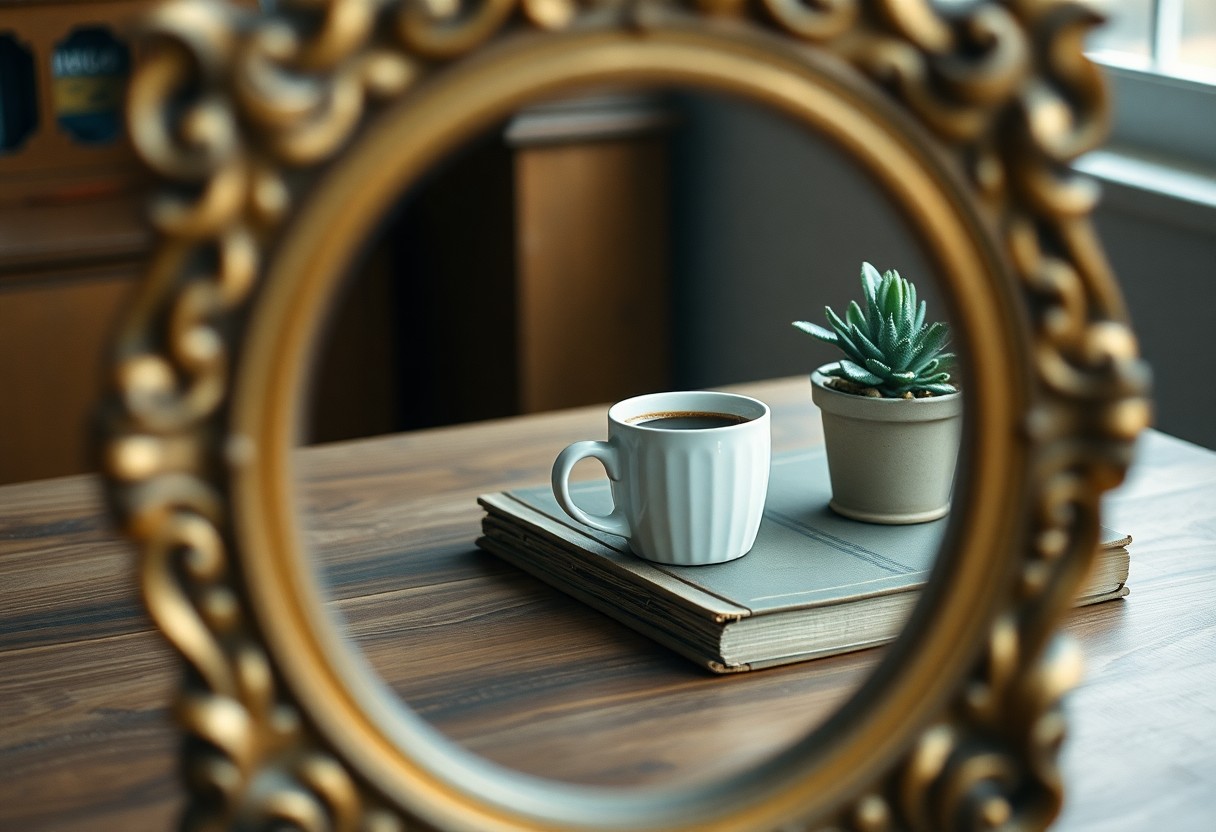
Now that you understand the importance of aesthetic framing, it’s time to explore various techniques that can elevate your photography. By employing thoughtful strategies like composition, angles, color theory, and lighting, you can transform mundane subjects into captivating visual stories that resonate with your audience. These techniques will enable you to draw attention to often overlooked details, providing a fresh perspective that enhances the overall beauty of your work.
Composition and Angles
The way you compose your shot and the angles you choose can significantly impact the viewer’s experience. Experimenting with different compositions, such as the rule of thirds, leading lines, or symmetry, allows you to guide the viewer’s eye effectively. Likewise, varying your angles—whether it’s shooting from above, below, or at eye-level—can add depth and intrigue to your images, making even the most ordinary subjects unusually captivating.
Color Theory and Lighting
Aesthetic framing relies heavily on how you utilize color and light in your photographs. Understanding color theory can help you create harmonious or contrasting palettes that evoke emotion and convey messages effectively. Natural light offers soft, beautiful illumination that can bring out the texture and richness of your subject, while artificial lighting can add drama and highlight features you want to emphasize.
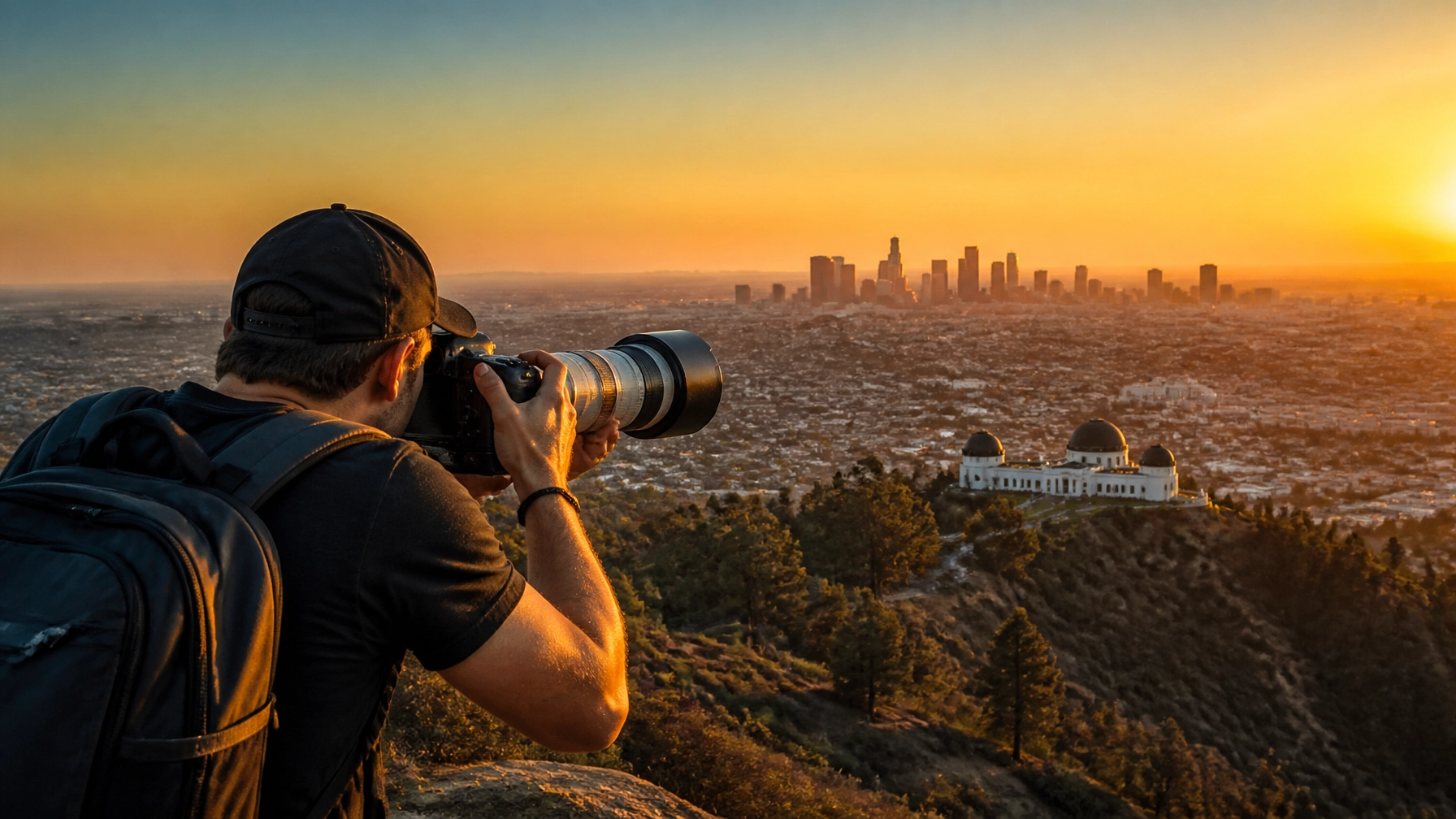
Hence, consider the time of day and the quality of light when capturing your images. Soft, golden hour light can enhance colors, while mid-day sun might create harsh shadows. Additionally, experimenting with different color combinations can have a profound impact on how your subject is perceived. Warmer colors often evoke feelings of comfort and joy, while cooler shades can convey calmness or sadness. By skillfully combining these elements, you can elevate the appeal of everyday subjects, transforming them into visually striking works of art.
Case Studies of Mundane Subjects
All across the globe, aesthetic framing has transformed the perception of mundane subjects into stunning focal points. Here are some notable case studies that highlight this impact:
- 1. A coffee cup series shot with dramatic lighting, increasing social media engagement by 75%.
- 2. Ordinary street signs creatively captured to inspire a local art exhibition, attracting hundreds of visitors.
- 3. A collection of mundane objects transformed in a gallery, leading to a 60% increase in visitor interaction.
- 4. Everyday fruits meticulously arranged, resulting in a 50% uptick in online recipe sharing.
Everyday Objects
Between a simple pen and a crumpled piece of paper lies the potential for beauty through intentional composition. By focusing on the shapes, textures, and contrasts of everyday objects, you can reveal an appreciation that often goes unnoticed. Through careful arrangement and thoughtful lighting, these mundane items can become extraordinary visual narratives.
Urban Landscapes
After you consider the urban landscapes surrounding you, you’ll find that they can possess a unique charm often overlooked in daily life. From towering buildings to bustling streets, these environments offer an abundance of photographic opportunities that can frame their inherent beauty and complexity.
Another approach to urban landscapes is to spotlight the interplay of light and shadow, creating mood and atmosphere. By capturing the essence of your city through reflections, color contrasts, and the rhythm of daily life, you not only reveal the beauty of your surroundings but also create a deeper connection to your own experiences within that space.
The Impact of Digital Media
Unlike traditional media that often confines creativity to physical boundaries, digital media democratizes aesthetic framing. You can effortlessly capture and manipulate images with just a smartphone, allowing your vision to flourish. This flexibility enables you to explore and highlight the beauty within everyday scenes, transforming mundane subjects into visually captivating works of art.
Social Media and Aesthetic Exposure
Along with the rise of digital media, social platforms have become hotbeds for aesthetic inspiration. You can scroll through endless feeds filled with curated content that celebrates the mundane, encouraging you to discover beauty in your surroundings. This constant exposure fosters a culture where everyone can participate in visual storytelling and share their unique perspectives.
Tools for Digital Aesthetic Framing
Tools for digital aesthetic framing are increasingly accessible and varied. You can utilize apps like Lightroom or VSCO to enhance colors, play with exposure, and apply filters that align with your artistic voice. These resources empower you to create striking images that elevate everyday subjects into something worth sharing.
Consequently, by leveraging these tools, you can transform your photographic approach. Experimenting with angles, lighting, and editing software enhances your ability to present mundane subjects in an aesthetically pleasing manner. You can find inspiration through tutorials or online communities, further enriching your skills and broadening your artistic scope.

Practical Applications of Aesthetic Framing
Your understanding of aesthetic framing can significantly enhance how you perceive and present the world around you. By applying this concept in various settings, you can transform ordinary subjects into captivating visual narratives. Whether you are capturing images, creating art, or designing spaces, the way you frame your subject can evoke emotions and elevate everyday moments into remarkable experiences.
Photography and Videography
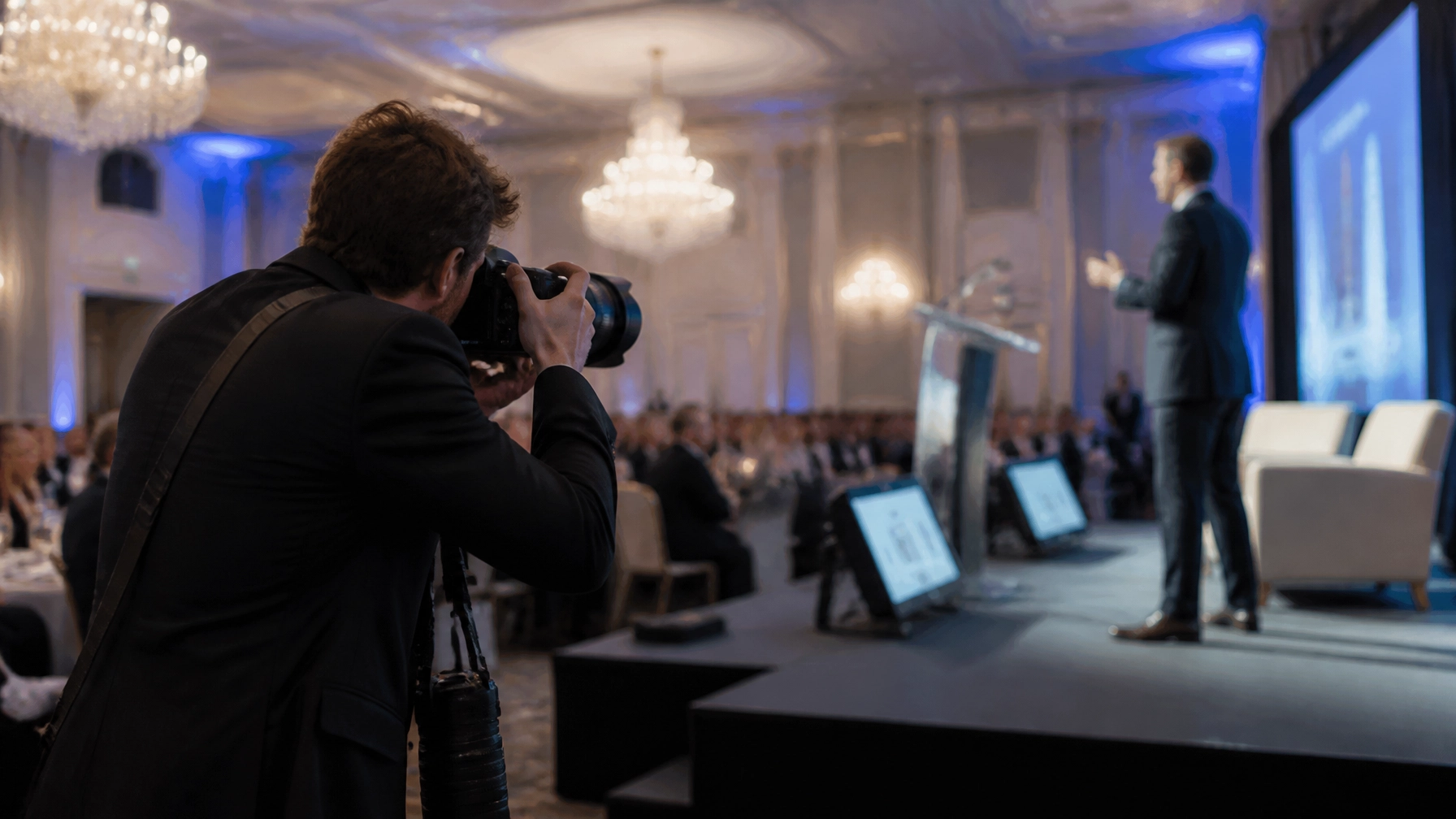
An effective approach in photography and videography is to explore creative angles, lighting, and composition techniques that highlight the unique features of mundane subjects. This deliberate framing encourages you to look beyond the surface and discover hidden beauty, inviting your audience to engage more deeply with the visuals you create.
Visual Art and Design
Around you, everyday objects serve as a rich source of inspiration for your artistic endeavors. By applying aesthetic framing in visual art and design, you can emphasize form, texture, and color, turning simple items into focal points of beauty. This technique enables you to challenge perceptions and encourage viewers to appreciate the art found in the ordinary.
The use of aesthetic framing in visual art and design invites you to explore different materials, shapes, and arrangements. Consider how negative space can enhance the impact of your subjects, or how color contrasts can draw the eye. By thoughtfully arranging these elements, you create compelling compositions that resonate emotionally and aesthetically with your audience. In this way, mundane subjects can be transformed into stunning works of art that evoke curiosity and appreciation for the beauty found in everyday life.
Summing up
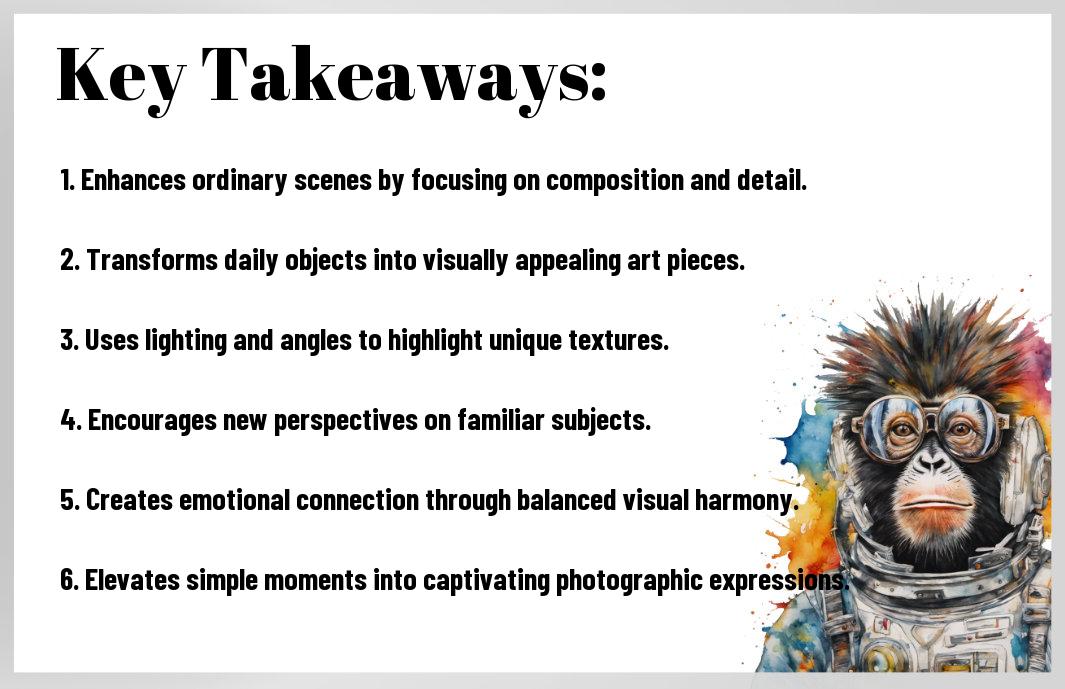
So, by applying aesthetic framing techniques, you can transform mundane subjects into captivating visuals. Whether through composition, lighting, or perspective, these approaches allow you to highlight details that might otherwise go unnoticed. This artistic lens not only enhances your perception but also invites viewers to see beauty in the ordinary. By honing your framing skills, you empower yourself to create artwork that resonates deeply, showcasing the elegance in simplicity and making everyday moments feel extraordinary.




Leave a Reply
You must be logged in to post a comment.