

Photography has the power to tell compelling stories, and the art of juxtaposition can significantly enhance your narratives. By placing contrasting elements side by side, you can evoke emotions, highlight differences, and create visual interest. This technique not only draws your viewer’s eye but also deepens their engagement with your work. In this post, you’ll discover how employing juxtaposition can transform your images from simple captures into profound narratives that resonate with your audience.
Understanding Juxtaposition
The art of juxtaposition involves placing contrasting elements side by side to reveal deeper meanings and provoke emotional responses. In photography, this technique allows you to create striking visual narratives that not only capture attention but also encourage viewers to engage with the story you’re telling. Through deliberate contrasts in color, texture, or subject matter, you can elevate your imagery and spark rich conversations around your photographs.
Definition and Importance
Importance lies in its ability to challenge perspectives and highlight differences that might otherwise go unnoticed. By incorporating juxtaposition into your photographic practice, you can create images that resonate more deeply and convey complex themes. This technique invites your audience to explore the relationships between elements, unlocking new interpretations and enhancing the overall impact of your work.
Historical Context in Art and Photography
Beside its contemporary uses, juxtaposition has deep roots in the history of art and photography. Artists throughout the ages have harnessed this technique to communicate social commentary, evoke emotions, and challenge conventions. From the surrealist compositions of Salvador Dalí to the bold statements made by modern photographers, juxtaposition has continually shaped artistic expression and visual storytelling. As you explore this historical context, you will discover how past masters have influenced current practices, offering you valuable insights into your own photographic narratives.
Definition of juxtaposition in the historical context reflects a tradition that runs deep in both art and photography. Its use can be traced back to various art movements, including surrealism and modernism, where artists aimed to defy logic and create thought-provoking imagery. In photography, pioneers like David Hockney and filmmakers like Alfred Hitchcock have employed juxtaposition to enhance storytelling and evoke strong viewer reactions. By understanding this lineage, you can draw inspiration from previous works, allowing the rich history of juxtaposition to inform and elevate your own photographic narratives.
Techniques of Juxtaposition in Photography
If you want to elevate your photographic narratives, understanding techniques of juxtaposition can be transformative. By skillfully arranging different elements within your frame, you can create powerful visual stories that resonate deeply with your audience. This approach allows you to explore the interplay between contrasting subjects, drawing insightful connections that enhance the emotional impact of your work.
Contrast and Comparison
Among the most effective ways to use juxtaposition in photography is through contrast and comparison. This technique allows you to place two or more subjects side by side, highlighting their differences or similarities. You can play with varied attributes such as:
| Aspect | Juxtaposition Example |
| Color | Bright flowers against a dull background |
| Shape | Angular buildings next to soft natural forms |
| Size | A small child next to a towering adult |
Layering and Framing
For creating depth and intrigue in your photographs, layering and framing are key techniques. By incorporating various layers within the composition, you can direct the viewer’s attention to the subject while providing context through additional elements. This adds complexity to your image, making your story richer.
Considering the placement of objects between the foreground and background helps to enhance the narrative you wish to convey. Use natural frames, such as archways or branches, to encapsulate your subject, guiding the viewer’s eye and creating a more immersive experience. Integrating different layers effectively allows you to tell multifaceted stories that invite exploration and contemplation.

Creating Emotional Impact through Juxtaposition
Some of the most powerful photographic narratives rely on emotional resonance triggered by contrast. By placing opposing elements side by side, you invite your audience to engage with your work on a deeper level. Juxtaposition can heighten feelings of joy against sorrow or solitude against community, allowing you to cultivate an emotional landscape that captivates and moves the viewer. This technique transforms mere images into poignant stories that linger in the mind long after the visual has been experienced.
Evoking Emotion
At the core of effective storytelling in photography lies the ability to evoke genuine emotion. By juxtaposing disparate elements, you create a visual tension that compels your audience to reflect on the feelings you wish to convey. This emotional interplay enriches your images, prompting viewers to explore their own feelings and connections, ultimately leading to a more immersive narrative experience.
Storytelling Through Visual Contrast
Impactful visuals often stem from the strategic use of contrasting elements to tell compelling stories. By highlighting differences in light and shadow, color, texture, or even themes, you can create a visual dialogue that enhances your narrative. This technique invites viewers to interpret and relate to the story you’re presenting, fostering a personal connection that transcends mere observation.
And as you explore visual contrast in your work, don’t hesitate to experiment with unexpected relationships. For example, juxtaposing a vibrant subject against a dull background can amplify the energy of your focal point, while contrasting emotions can create a narrative tension that resonates deeply. By thoughtfully combining these elements, you can craft a story that not only engages but also inspires, leaving a lasting impact on your audience.
Case Studies: Successful Juxtaposition in Photography
Your exploration of juxtaposition in photography can be significantly enriched by examining notable case studies that showcase the technique’s efficacy. Here are some impactful examples:
- 1. Henri Cartier-Bresson’s “Behind the Gare Saint-Lazare” – Captured a man jumping over a puddle, contrasting motion with stillness.
- 2. Cindy Sherman’s “Untitled Film Stills” – Juxtaposes cultural stereotypes with real emotions to challenge perceptions.
- 3. Magritte’s “The False Mirror” – Conveys contrasting ideas through unexpected combinations, influencing visual narratives.
- 4. Richard Avedon’s “In the American West” – Pairs glamorous fashion against rugged Western landscapes, highlighting social contradictions.
Renowned Photographers
Any discussion about juxtaposition would be incomplete without considering the works of renowned photographers who masterfully employ this technique. These artists leverage contrasting elements to evoke deeper emotions and narratives, providing a visual critique of societal norms and personal perspectives.
Analyzing Iconic Images
By dissecting iconic images that utilize juxtaposition, you gain insights into how contrasting elements can enhance storytelling and emotional impact. Such analysis helps you appreciate the complex layers within the photographs and informs your own practice.
This examination reveals how juxtaposition can transform mundane scenes into powerful narratives. For instance, analyzing the emotional tension in images like Avedon’s portraits or Cartier-Bresson’s street scenes will help you understand how contrasting elements provoke thought and highlight underlying themes. Engaging deeply with these iconic works equips you with the knowledge to create compelling visual stories that resonate with your audience.
Practical Tips for Implementing Juxtaposition
Keep the following tips in mind to effectively incorporate juxtaposition in your photography:
- Identify contrasting subjects that spark visual interest.
- Consider color, shape, and texture differences when choosing your elements.
- Experiment with angles and perspectives to enhance the contrast.
- Utilize negative space to amplify the juxtaposition effect.
Perceiving these elements will help you craft compelling narratives that resonate with your audience.
Experimentation with Subjects
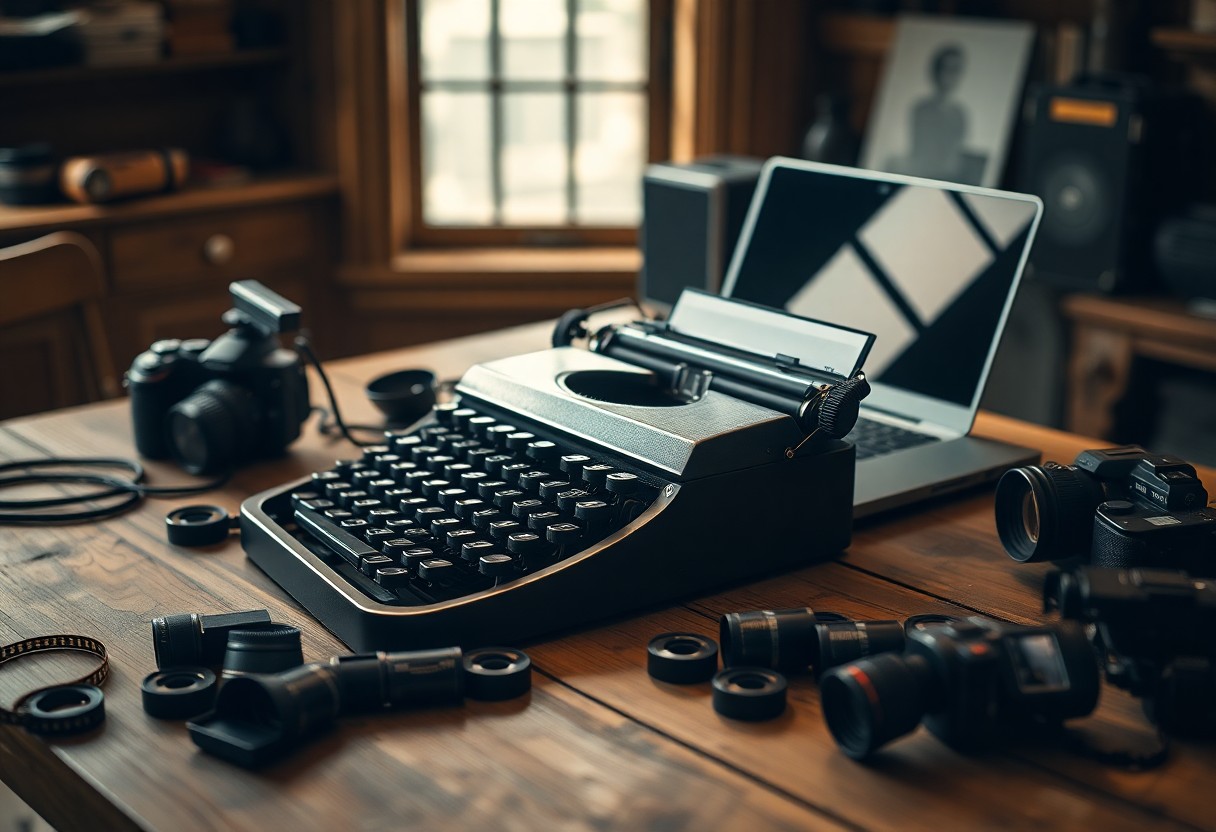
On your journey to mastering juxtaposition, don’t shy away from experimenting with a variety of subjects. Look for combinations that challenge norms, such as pairing urban landscapes with nature or contrasting old artifacts with modern technology. This exploration can lead to unexpected and powerful visual stories that captivate your viewers.
Composition Techniques
At the heart of effective juxtaposition lies your composition techniques. By thoughtfully arranging your subjects, you can elevate their contrast and create a more engaging narrative. Experiment with the rule of thirds, leading lines, and framing to position contrasting elements in a balanced yet visually striking manner.
Subjects can interact in dynamic ways when you employ various compositional strategies. Whether through layering, symmetry, or asymmetry, the way you frame contrasting elements can significantly alter the message of your photograph. Structuring the composition to highlight these differences not only enhances visual appeal but also deepens the narrative impact, encouraging viewers to explore the relationships between the subjects you’ve chosen.

The Role of Context in Juxtaposition
After you integrate contrasting elements in your photography, context plays a vital role in shaping the narrative. The context provides the framework in which your juxtaposition can be understood, giving viewers insight into the deeper meanings behind the contrasting subjects. It helps tell a story, guiding your audience through the emotions and themes present in your work. By considering the context, you can elevate your photos from mere contrasts to rich, multilayered narratives that resonate with your viewers.
Cultural and Environmental Influences
With a keen awareness of cultural and environmental influences, you can enhance your photographic narratives through juxtaposition. Different cultures and settings imbue contrasting subjects with unique meanings and emotional weight, allowing you to convey stories that may speak differently to various audiences. When you incorporate local elements or cultural symbols, your images become powerful reflections of their surroundings, enriching the narrative and inviting deeper engagement with your viewers.
Viewer Interpretation
Beside the technical aspects, your photo’s impact is significantly shaped by viewer interpretation, which can vary widely based on personal experiences and perspectives. When you present juxtaposed elements, you invite viewers to explore the connections or conflicts between them, prompting a more active engagement with your narrative.
But understanding that viewer interpretation can vary is crucial for creating effective photographic narratives. Each person comes with their own backgrounds, beliefs, and emotions, which can influence how they perceive your juxtaposed subjects. When you craft your images thoughtfully, considering potential interpretations, you can lead viewers to explore the intended themes while allowing room for personal insight. This dynamic interaction not only enriches their experience but can also evoke conversations that extend beyond the photograph itself.
To wrap up
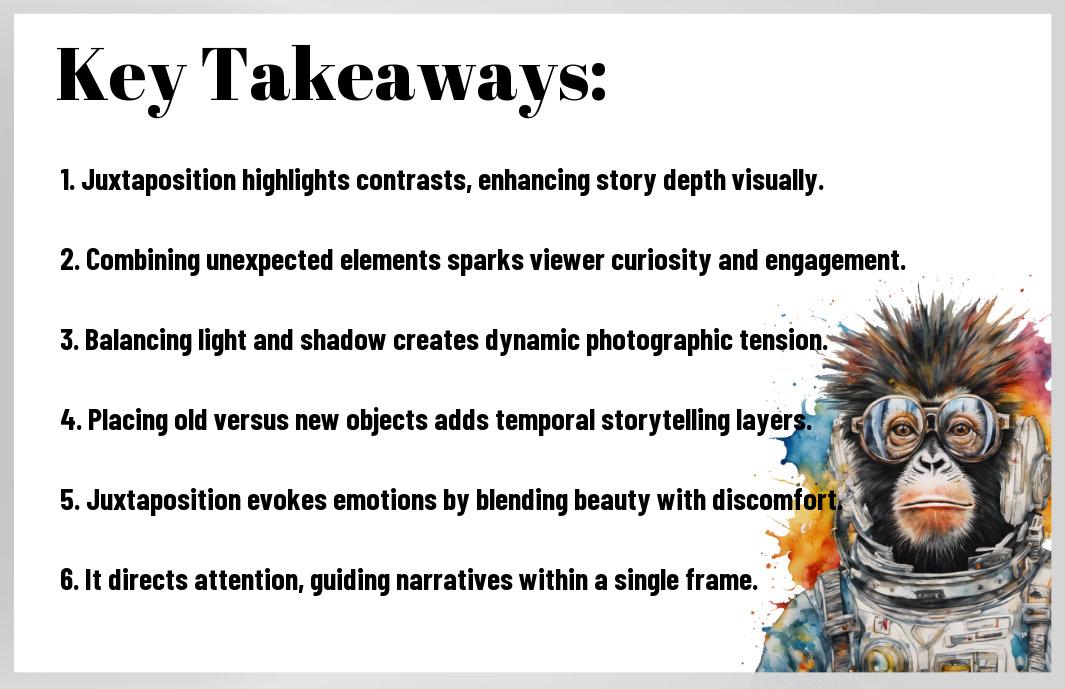
To wrap up, incorporating the art of juxtaposition in your photographic narratives can significantly enhance the depth and complexity of your storytelling. By placing contrasting elements side by side, you create a visual dialogue that invites viewers to engage with your images on multiple levels. This technique not only highlights differences but also emphasizes connections, allowing you to convey profound themes and emotions. As you experiment with juxtaposition, you will undoubtedly discover new ways to express your artistic vision and enrich the narratives that unfold through your lens.



Leave a Reply
You must be logged in to post a comment.