

Tips for enhancing your photography skills can elevate your images from ordinary to extraordinary. Whether you’re a beginner or looking to refresh your technique, understanding the fundamentals of composition, lighting, and subject interaction will transform the way you capture moments. This guide provides you with straightforward strategies to make your photos more engaging and impactful. By applying these tips, you’ll discover new ways to express your vision and create stunning visual stories.
Understanding Photography Fundamentals
Before you can truly capture stunning images, it’s important to grasp the basic principles of photography. Familiarizing yourself with these fundamentals will enhance your skills and help you recognize the elements that make a photograph captivating. Whether you’re shooting with a smartphone or a professional camera, understanding composition, lighting, and exposure will enable you to create more engaging images that resonate with viewers.
Key Elements of Composition
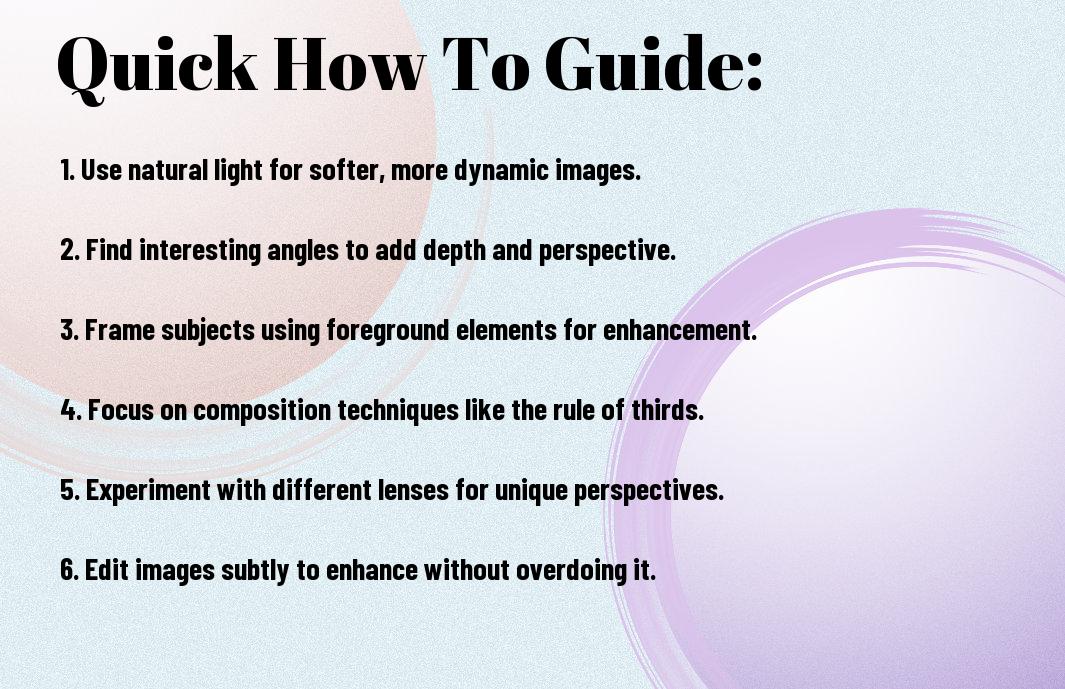
Even the most breathtaking scene can fall flat without effective composition. By mastering compositional techniques like the rule of thirds, leading lines, and framing, you can guide the viewer’s eye and evoke emotion in your photos. Consider how you position subjects and elements within your frame to create balance and interest.
Importance of Lighting
Some of the most impactful photographs are defined by the quality of light. Understanding how natural and artificial light interacts with your subject can dramatically alter the mood and clarity of your images. You’ll want to observe how different times of day, weather conditions, and lighting sources influence your photography.
Elements such as direction, intensity, and color of light can make or break your shot. Soft, diffused light often creates gentle shadows and highlights, while harsh light can emphasize textures and details. Exploring the interplay of light will allow you to capture the essence of your subject and create images that compel the viewer, encouraging you to experiment with various lighting conditions to develop your unique style.
Essential Camera Settings
One of the keys to mastering photography lies in understanding your camera’s important settings. Knowing how to adjust features like ISO, aperture, and shutter speed can transform your images and help you capture the moment just as you envision it. Take the time to familiarize yourself with these settings and how they work together to enhance your photographic creativity. This foundational knowledge will empower you to shoot in various lighting conditions and achieve the desired effects.
Exploring Exposure Triangle
With exposure being a fundamental aspect of photography, the exposure triangle is your best friend. It comprises ISO, aperture, and shutter speed, each playing a vital role in how light interacts with your camera sensor. Adjusting these elements in combination allows you to control the brightness, depth of field, and motion blur in your shots. By practicing with the exposure triangle, you’ll gain confidence and make better choices when capturing your visual stories.
How to Use Different Modes
You have multiple shooting modes at your disposal, ranging from automatic to manual settings. These modes can simplify or enhance your shooting experience, depending on your familiarity with the camera. Automatic mode is perfect for beginners, allowing you to focus on composition without the worry of technical details. As you gain more experience, consider experimenting with semi-automatic modes like aperture or shutter priority, which allow you to control specific settings while the camera handles the rest. Ultimately, don’t shy away from manual mode, as it grants you full creative control, letting your artistic vision shine through.
To effectively use different modes, start by identifying the type of shot you want to capture. If you’re shooting in low light, switching to aperture priority mode lets you widen your aperture for better light intake while you maintain control over the depth of field. On a sunny day, consider using shutter priority to freeze motion, perfect for capturing action shots. The key is to understand when each mode is most beneficial and practice using them so that you can adapt quickly to varying shooting conditions.

Tips for Engaging Your Subject
Many photographers find that engaging with their subjects is key to creating compelling images. To connect effectively, consider these strategies:
- Establish eye contact to build trust.
- Ask open-ended questions to encourage ease and comfort.
- Use humor to lighten the mood.
- Take your time, allowing your subject to feel relaxed.
Recognizing the importance of engagement can make all the difference in your photography.
Building Rapport with Subjects
While each subject is unique, fostering rapport is necessary for capturing sincere moments. Start with friendly conversation to establish trust, and take the time to understand their preferences. Your genuine interest in them can open doors to more revealing and intimate portraits.
Techniques for Capturing Emotion
Even the most technically sound photographs can fall flat without emotional depth. To evoke feelings, focus on the subject’s expressions and body language, and encourage spontaneity. A moment of surprise or a genuine smile can transform an ordinary shot into a powerful image.
Techniques such as using natural light and positioning your subjects in comfortable environments can help capture authentic emotions. Additionally, allow for candid moments where your subjects can be themselves, and capture them in the flow of life. This often leads to the most powerful images that resonate deeply with viewers.
Utilizing Backgrounds and Foregrounds
To enhance your photography, understanding how to utilize backgrounds and foregrounds is vital. The right background can complement your subject, while a carefully chosen foreground adds context and interest. By paying attention to these elements, you can create more compelling images that engage viewers and draw them into the scene.
Selecting the Right Background
For selecting the right background, consider colors, textures, and patterns that either enhance or contrast with your subject. Choose backgrounds that do not distract from your main focus, yet still add character to the shot. Natural settings, urban landscapes, or simple color backdrops can all work depending on your desired aesthetic.
Creating Depth in Your Images
Little adjustments in your composition can create a sense of depth in your images. Layering elements such as foreground objects, mid-ground subjects, and distant backgrounds helps establish spatial relationships and dimensions in your photographs.
The placement of foreground elements, like flowers, branches, or stones, directs the viewer’s eye and invites them to explore the photograph more thoroughly. By using a shallow depth of field, you can blur backgrounds and emphasize your subject, further enhancing the perception of depth. Experimenting with various angles and distances will help you discover what works best for each unique scene, making your images more dynamic and engaging.
Post-Processing Techniques
Keep in mind that post-processing is important for elevating your photography. By using software tools, you can refine your images and bring out the best in your work. Learning how to adjust different elements can help you create stunning visuals that captivate your audience.
Basic Editing Tips
Editing your images gives you the opportunity to enhance your photos significantly. Focus on these basic editing tips:
- Crop to remove distractions.
- Adjust exposure for proper lighting.
- Sharpen details for clarity.
- Use presets for a cohesive look.
After making these adjustments, you’ll have a polished photo ready to impress.
Enhancing Colors and Contrast
Contrast is vital when aiming to create dynamic images. By adjusting contrast levels, you can differentiate light from dark, making your subjects stand out. Enhancing colors can also add vibrancy, providing more depth to your photographs and ensuring they capture your viewer’s attention.
This technique allows you to breathe life into your images. Use the vibrancy and saturation tools to boost the colors without making them look unnatural. Fine-tuning shadows and highlights can also improve tonal balance and mood, giving your images a professional touch.
Equipment Essentials for Beginners
For anyone starting out in photography, having the right equipment can make a significant difference in your learning experience and the quality of your images. You don’t need to invest in the most expensive gear right away; good quality, beginner-friendly options are available that will allow you to explore your creativity without overwhelming complexities. Focus on a reliable camera, lenses, and vital accessories that suit your style and needs as you progress in your photographic journey.
Must-Have Gear for Photography
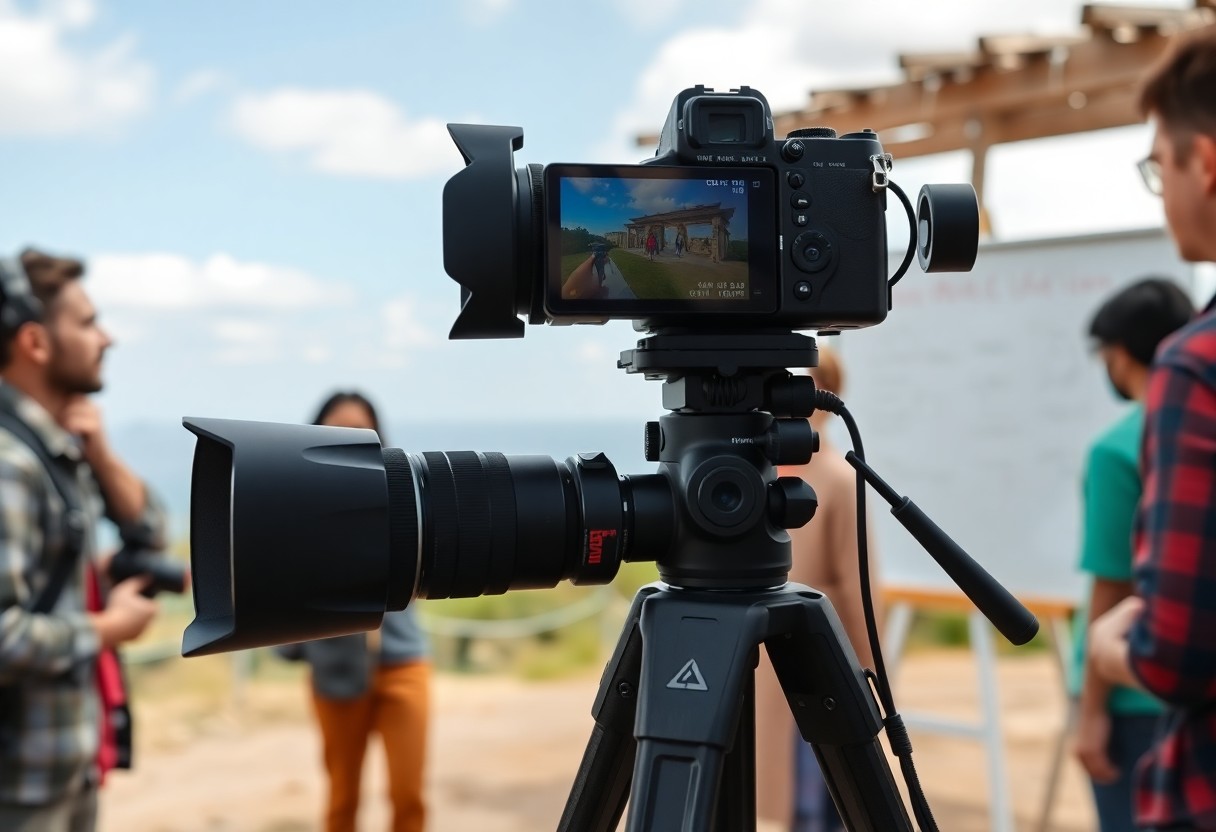
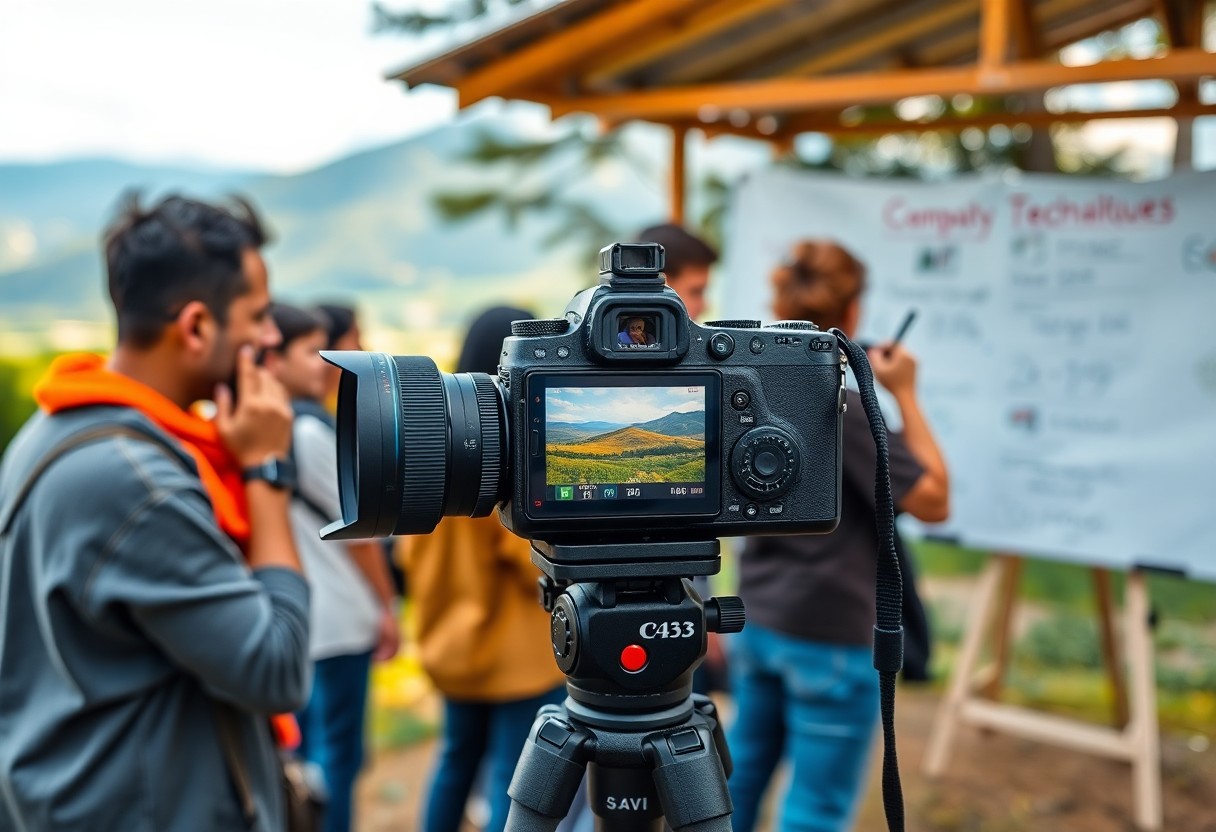
Gear is the foundation of your photography journey. A good camera, whether a DSLR or mirrorless, provides you with the flexibility to learn the basics of exposure and composition. Pair it with a standard zoom lens and consider a prime lens for low-light conditions. Don’t overlook a sturdy tripod to help keep your camera stable and ensure sharper images in various situations.
Accessories to Improve Your Shots
Any photographer can enhance their images with the right accessories. Filters, lens hoods, and external flashes can elevate the quality of your photos, while a camera bag ensures you keep your gear safe and organized. Additionally, a remote shutter release helps eliminate camera shake when taking long exposures or self-portraits.
Accessories play a significant role in maximizing your photographic potential. Consider investing in a polarizing filter to reduce glare and enhance colors, or a neutral density filter for better control over exposure in bright conditions. A quality tripod is invaluable for landscape shots or low-light photography, while a lens cleaning kit keeps your optics free from dust and smudges. By selecting the right accessories, you enrich your photography experience and elevate the final output of your creative vision.
Summing up
Hence, mastering the basics of photography involves a blend of understanding your equipment, playing with natural light, and framing your subject effectively. By following these quick how-to tips, you can elevate your photography skills and make your images more engaging. Experiment with different settings, compositions, and techniques to find your unique style. With practice and patience, you’ll see a noticeable improvement in your photos, helping you create lasting visual memories.





Leave a Reply
You must be logged in to post a comment.