

Just as an artist selects their palette, you can elevate your photography by mastering the interplay of color and light. Understanding how these elements affect your composition will not only enhance your images but also convey deeper emotions and narratives. In this guide, we will explore practical tips and techniques to harness color and light effectively, ensuring your photographs stand out and tell compelling stories that resonate with your audience.
Understanding Color Theory
A solid grasp of color theory is important for elevating your photography. This framework not only helps you understand how colors interact but also enables you to convey emotions and messages through your images. By mastering this concept, you can create striking compositions that resonate with your audience, making your work more impactful and visually compelling.
The Color Wheel
On the color wheel, you’ll find primary, secondary, and tertiary colors, all arranged in a circular format. This tool serves as a fundamental reference point, highlighting how colors relate to one another. By exploring different combinations on the wheel, you can gain insights into creating harmony in your compositions and avoid disordered visuals.
Color Harmony
Understanding color harmony allows you to create a cohesive visual experience in your photography. This principle involves using colors that complement or enhance one another to generate balance and aesthetic appeal in your compositions.
Color harmony encompasses various techniques such as complementary, analogous, and triadic schemes, offering you diverse options for crafting mood and emotion through your work. By intentionally selecting colors that work well together, you can guide the viewer’s eye through the frame, creating a more satisfying and engaging photographic experience. Utilizing these harmonious combinations can elevate your compositions and enrich the storytelling aspect of your photography.
The Power of Light
One of the most influential elements in photography is light. It can transform an ordinary scene into something extraordinary, shaping mood, texture, and depth. Understanding how to harness light in your compositions will elevate your photography from mere snapshots to compelling visual narratives. Learn to observe the way light interacts with your subjects, and you will unlock a world of creative possibilities.
Natural Light vs. Artificial Light
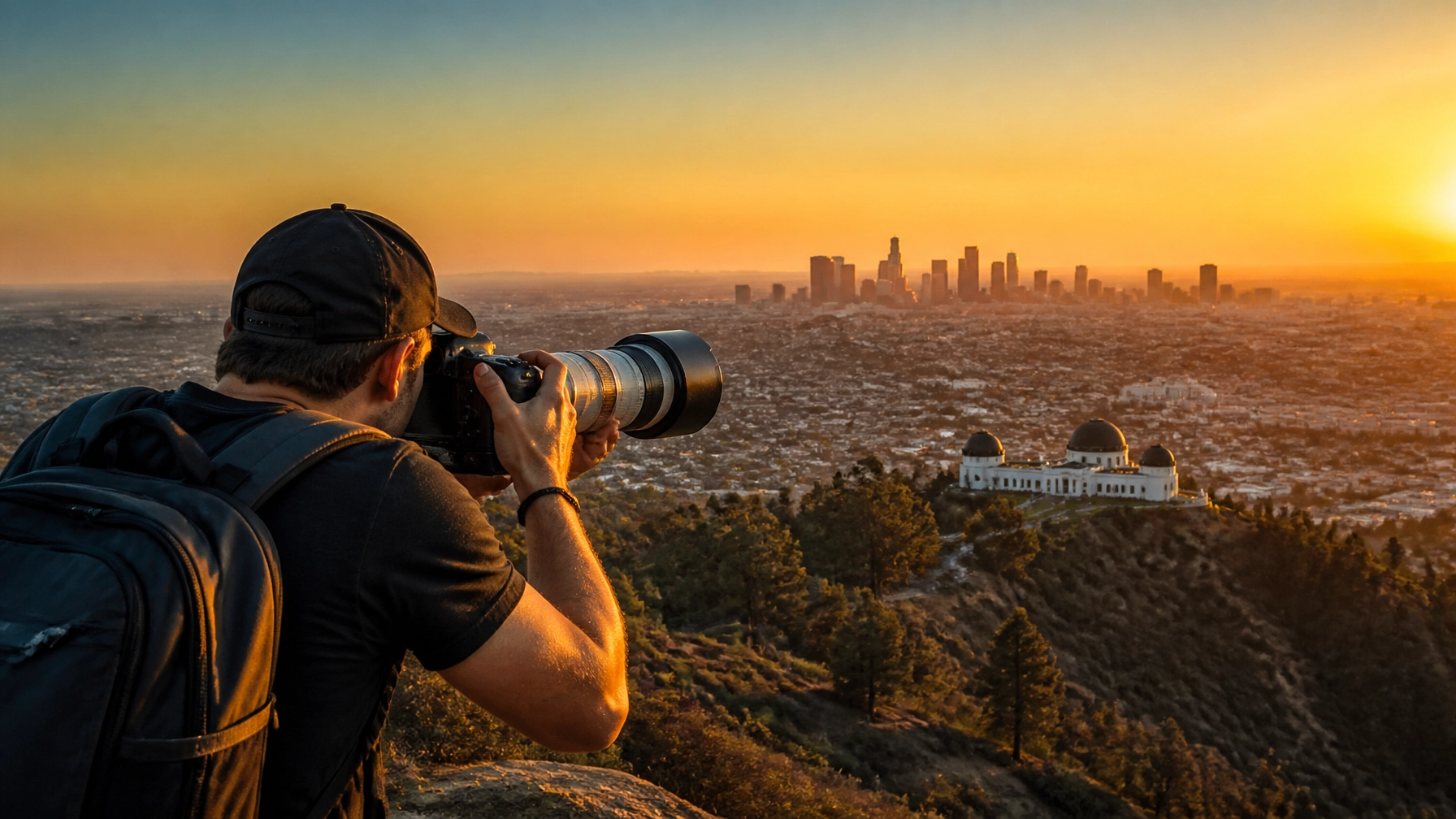
The choice between natural and artificial light significantly impacts your photography. Natural light, available during sunrise and sunset, offers soft, warm tones that enhance your images’ overall aesthetic. On the other hand, artificial light gives you the flexibility to create specific moods and effects, offering consistent control regardless of environmental conditions.
Understanding Light Quality
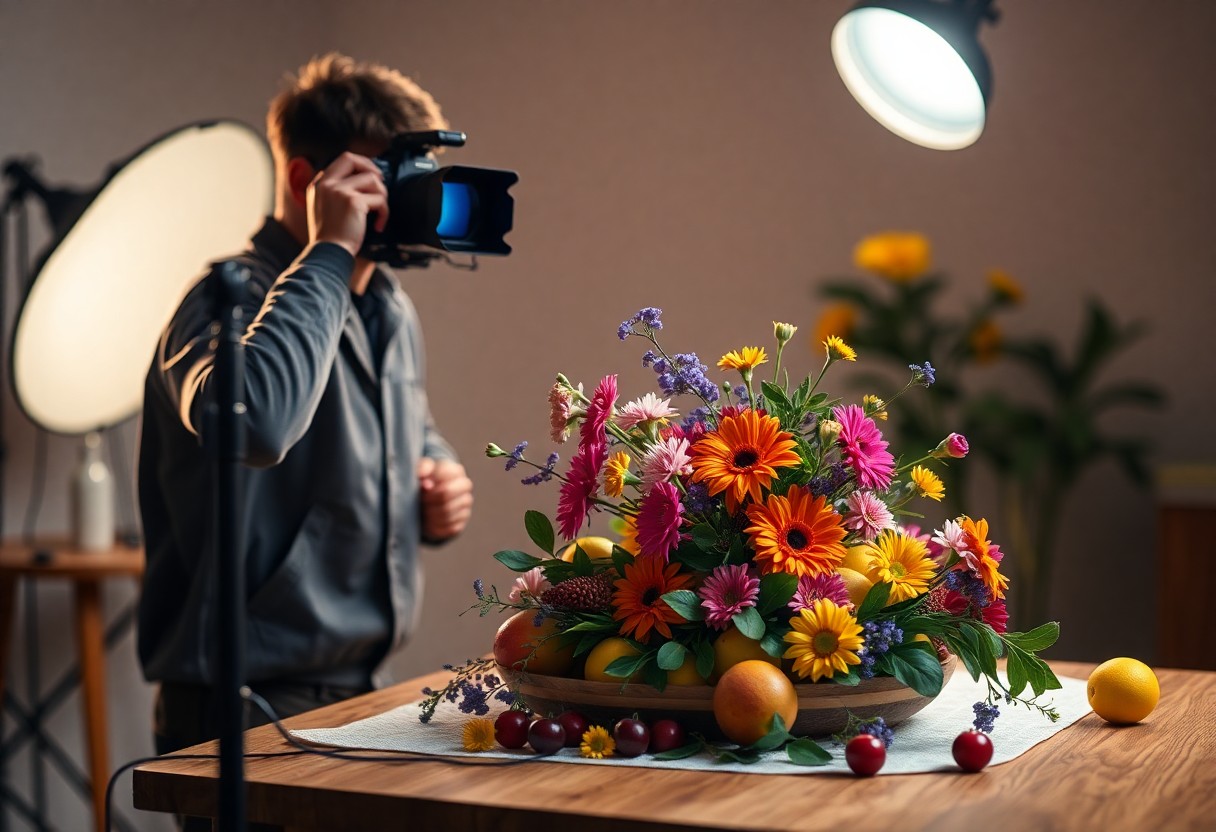
While evaluating light, quality is a key factor influencing your photographs’ appearance. Light can be soft or harsh, determined by its source and diffusion. Soft light, often found in overcast conditions or during golden hour, reduces shadows and highlights, creating a gentle and inviting atmosphere. In contrast, harsh light, typically from direct sunlight, creates strong contrasts and pronounced shadows, which can evoke drama in your images.
Natural light often varies in quality throughout the day, impacting how your subjects are perceived. For instance, during the golden hour, the sunlight casts a warm, diffused glow that flatters most subjects, enhancing colors and textures. On the other hand, midday sun produces a harsher light that can create unflattering shadows and highlights. By understanding and utilizing these variations, you can strategically choose the best times and conditions to capture your desired mood and details in each shot.
Using Color in Composition
Some photographers underestimate the power of color in composition. By skillfully incorporating color into your images, you can draw attention, convey messages, and create striking visuals. Understanding how different colors interact and influence mood can elevate your photography. Experiment with vibrant hues, subtle pastels, or monochromatic schemes to enhance your storytelling and connect with your audience on a deeper level.
The Role of Color in Emotion
Color plays a vital role in evoking emotions and setting the tone of your photography. Each color can elicit different feelings; for example, red might incite passion, while blue can evoke calmness. By intentionally integrating specific colors into your composition, you can enhance the emotional impact of your images, allowing viewers to experience your work on multiple levels.
Balancing Color in Your Frame
While playing with color, achieving balance within your frame is important for a harmonious composition. You want to avoid overwhelming the viewer or conveying a muddled message. By using color theory techniques such as complementary, analogous, or triadic color schemes, you can guide the viewer’s eye and create an aesthetically pleasing image that holds their attention.
With an understanding of color balance, you can create dynamic compositions that lead the viewer’s eyes where you want them to go. Use tools like the color wheel to identify colors that work well together and maintain visual interest without distraction. Consider the placement of your main subject alongside supporting colors to achieve unity. This deliberate arrangement can result in photographs that are not only visually appealing but also resonate emotionally with your audience.
Mastering Light in Photography
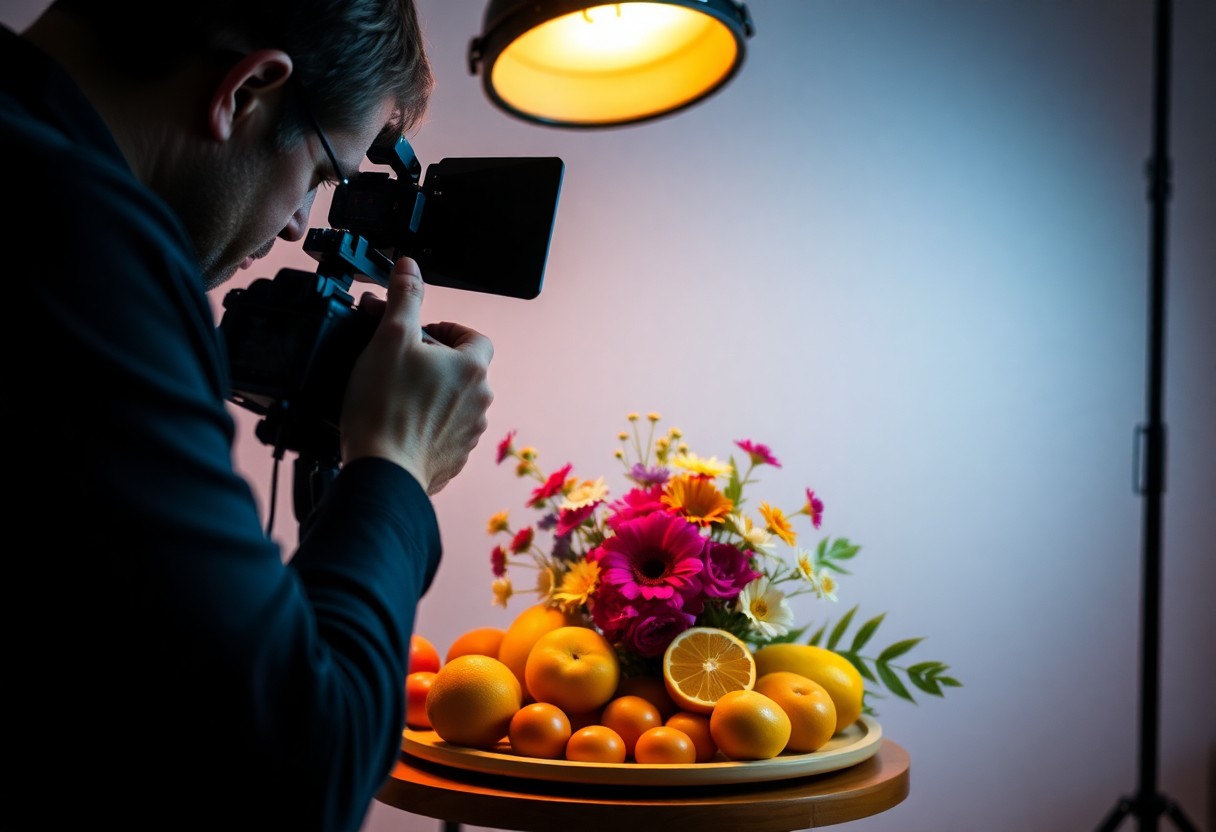
Once again, mastering light is one of the most important aspects of photography that will elevate your images. Understanding how natural and artificial light interacts with your subjects allows you to create powerful compositions that evoke emotion and tell a story. Whether you’re shooting outdoors in the golden hour or setting up studio lighting, knowing how to manipulate light to your advantage is crucial for capturing stunning photographs.
Direction of Light
Clearly, the direction of light greatly influences how your subject is portrayed. Side lighting creates depth and texture, while backlighting can produce dramatic silhouettes. Experimenting with different angles will help you discover how varying light directions enhance your subject’s features, create patterns, and establish the desired mood in your photographs.
Controlling Exposure
There’s a significant relationship between light and exposure that you must master to achieve the best results in your photography. Adequate exposure ensures that your images are neither too dark nor too bright, allowing you to convey the right message. Utilize your camera settings such as aperture, shutter speed, and ISO to achieve a balanced exposure tailored to your specific lighting conditions.
Direction plays a pivotal role in how you control exposure. A well-lit scene may require faster shutter speeds to avoid overexposure, while low-light situations can necessitate wider apertures or increased ISO settings. Understanding these relationships enables you to adapt your technique based on the lighting environment, ultimately enhancing your creative expression and technical precision in photography.
Tips for Achieving Brilliant Compositions
Your photographic compositions can greatly improve with a few simple strategies. Consider the following tips for capturing stunning images:
- Use leading lines to draw attention to your subject.
- Incorporate the rule of thirds for balanced framing.
- Highlight contrasting colors to make your subject pop.
- Experiment with different viewpoints for unique perspectives.
- Utilize negative space to enhance your focus point.
Recognizing these techniques will elevate your photography to new heights.
Rules of Composition
While composition rules provide a strong foundation for your photography, feel free to experiment beyond the traditional guidelines. Mastering basics like the rule of thirds, leading lines, and framing techniques will help guide your eye, enabling you to create a more dynamic and engaging image. When you start playing with these rules—as well as breaking them—you’ll cultivate a distinct style that resonates with your vision.
Creative Techniques with Color and Light
You have the power to transform your images using innovative techniques that cleverly manipulate color and light. Experimenting with different light sources, angles, and color palettes allows you to create dramatic contrasts and evoke emotional responses within your viewer.
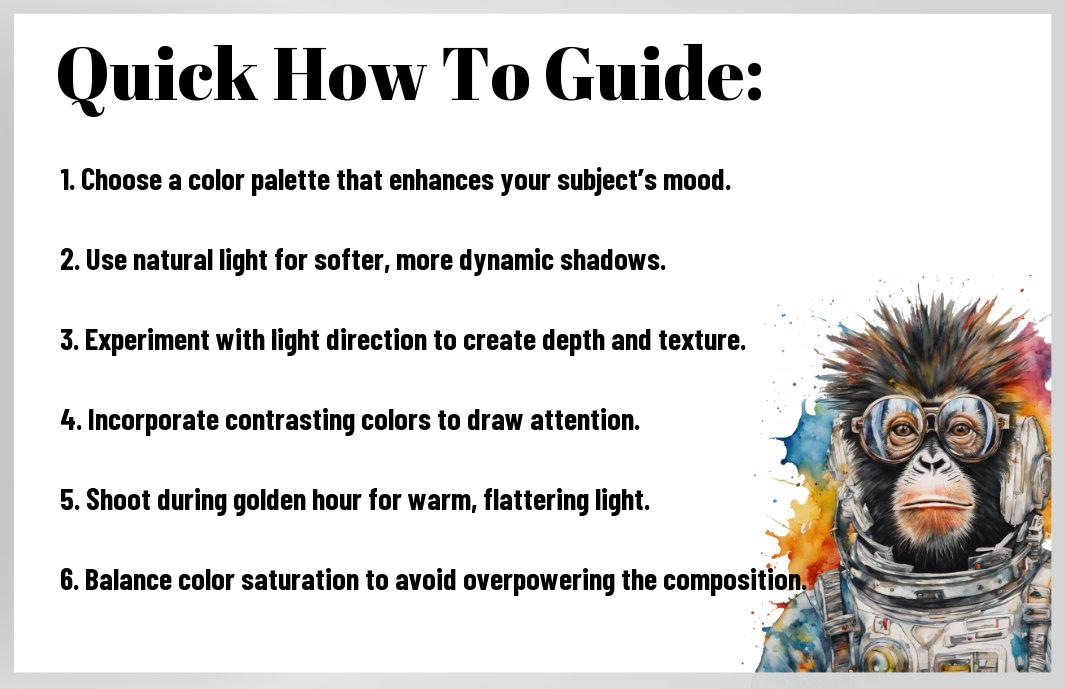
Color plays a significant role in setting the mood for your photograph. By understanding color theory, you can effectively combine complementary hues or use monochromatic schemes to communicate your desired message. Moreover, light can dramatically change the perception of your composition; shooting during golden hour, for instance, provides warm, inviting tones, while low-key lighting can create a mysterious atmosphere. By combining these elements thoughtfully, you’ll craft powerful images that tell compelling stories and captivate your audience.
Practical Application of Tips
After you have grasped the concepts of color and light, it’s time to put those tips into practice. Here are some steps you can take:
- Choose a subject that excites you and experiment with different color palettes.
- Use natural light at various times of the day to see how it affects your shots.
- Test different white balance settings to enhance mood and clarity.
- Incorporate reflections and shadows to add depth to your composition.
Knowing how to manipulate color and light will elevate your photography skills significantly.
Experimenting with Color and Light
Even the simplest scenes can transform dramatically with the right use of color and light. Challenge yourself to shoot the same subject in differing light conditions, such as golden hour, noon, or twilight. Play with color contrast, saturation, and harmonious palettes. These explorations not only sharpen your technical skills but also develop your unique style, making each shot distinctly yours.
Analyzing Your Results
There’s a lot to learn from reviewing your photographs post-shoot. Evaluate how the colors and light affected your images. Were the tones vibrant and engaging, or did they clash? Did the lighting enhance your subject or detract from it? This analysis will help you identify what works well and areas for improvement.
For instance, if you find that certain colors elicit stronger emotional responses in your audience, consider incorporating these more frequently. Take note of how various light conditions influence textures and details. If your photographs appear flat under certain lights, you might need to adjust your approach, such as experimenting with different timeframes for capturing images. With each session, you refine your vision and technique, guiding you towards greater mastery.
Conclusion
With this in mind, effectively utilizing color and light can transform your photography into captivating visual experiences. By understanding how different colors interact and the impact of natural and artificial lighting, you can enhance your compositions significantly. Experiment with various techniques to see how they influence the mood and style of your images. By mastering these elements, you will not only elevate your artistic vision but also engage your audience more profoundly, ensuring your photographs leave a lasting impression.




Leave a Reply
You must be logged in to post a comment.