

Just like any art form, photography requires both creativity and technique to capture stunning images. In this blog post, you’ll explore practical approaches that will help you grasp the basics of photography while also sparking your innovative flair. By understanding composition, lighting, and your camera’s settings, you can elevate your photography skills to a new level. Whether you’re using a smartphone or a professional camera, these tips will empower you to unleash your vision and create captivating photographs that tell your unique story.

Understanding Photography Basics
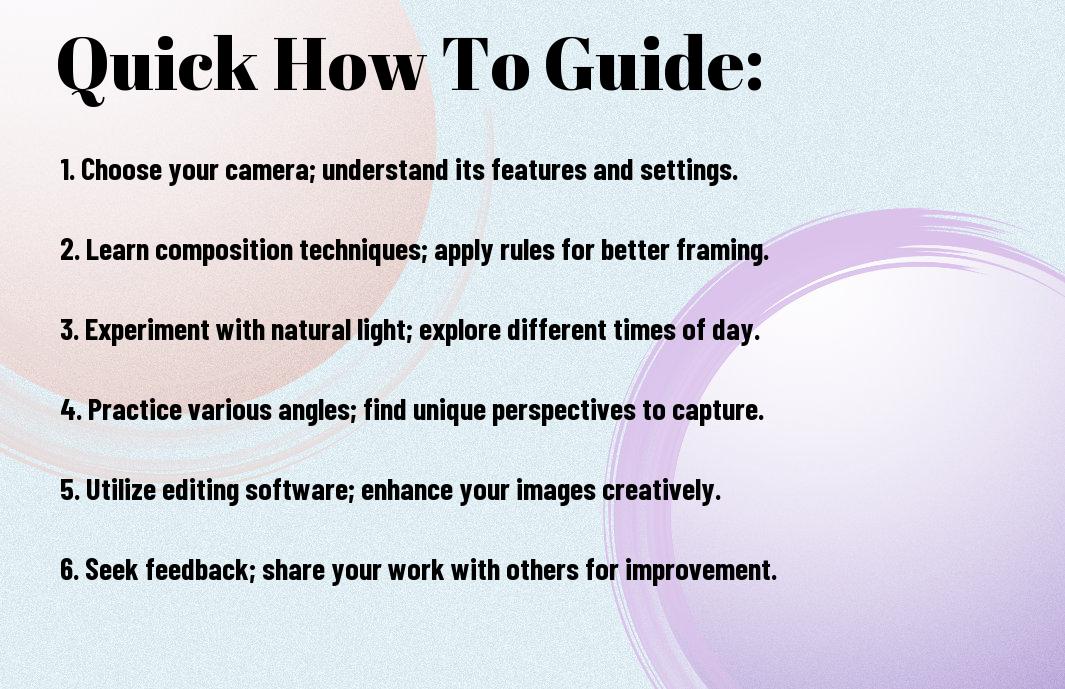
A solid grasp of photography basics is important for any aspiring photographer. This foundational knowledge encompasses various elements of camera operation, composition, lighting, and more. By familiarizing yourself with these core principles, you will enhance your ability to capture stunning images and express your creative vision effectively.
Essential Equipment
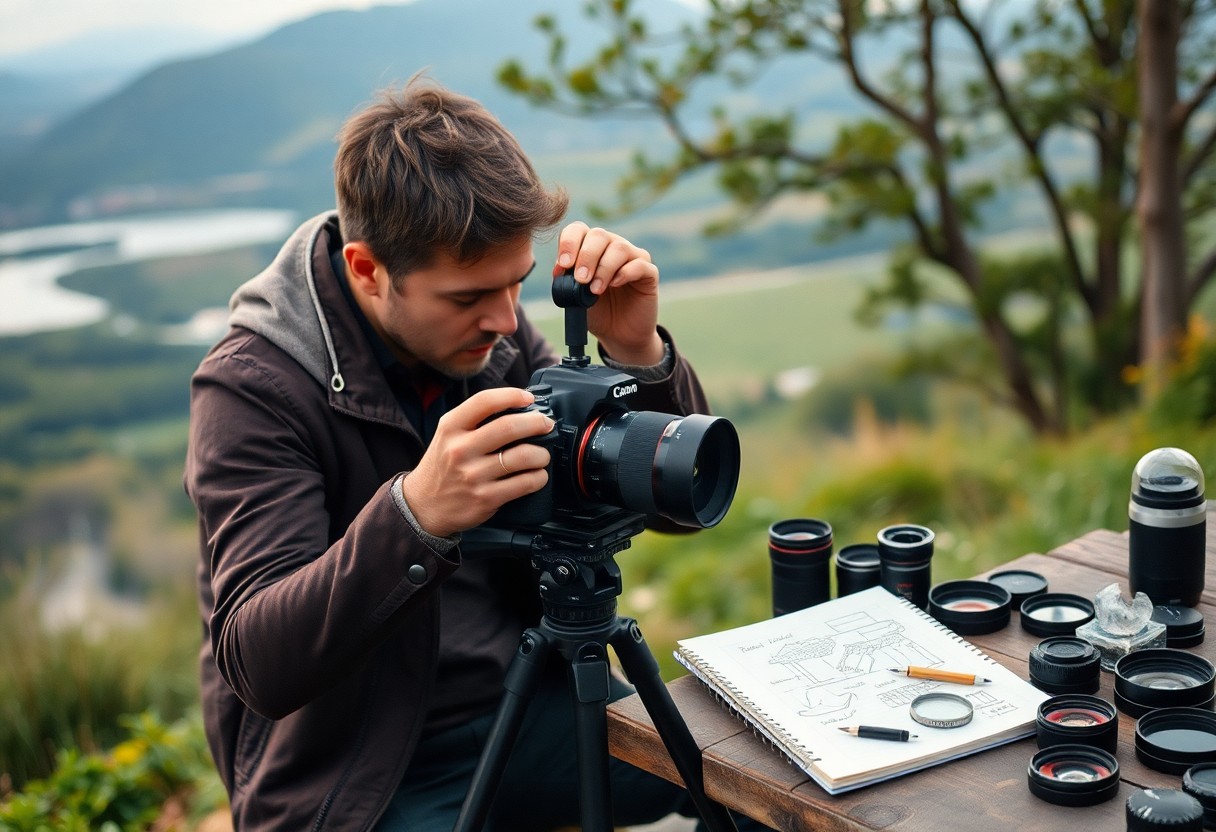
Understanding the important equipment needed for photography is key to getting started. You’ll typically need a camera that fits your vision—ranging from a smartphone to a DSLR or mirrorless model, along with lenses, tripods, and editing software. Selecting tools that suit your style and goals will significantly contribute to your photography journey.
Key Terminology
Even if you’re new to photography, knowing key terminology can assist you in mastering your craft. Familiarize yourself with terms like aperture, shutter speed, ISO, and composition, as these form the foundation of photographic principles.
With a clear understanding of these terms, you will be better equipped to execute your ideas. For example, grasping aperture helps you control depth of field, while mastering shutter speed allows you to freeze action or create motion blur. Incorporating these important concepts into your photography practice will elevate your images and make your artistic expression more impactful.

How-To Capture Stunning Images
You hold the key to crafting stunning photography by mastering the art of image capture. To create mesmerizing photos, start by honing your technical skills—this includes understanding your camera settings, experimenting with angles, and selecting the right equipment. By combining these techniques with your unique vision, you can elevate your photography to new heights and convey compelling stories through every shot.
Composition Techniques
You can enhance your photography by applying imperative composition techniques. Utilize the rule of thirds to create balance and dynamism in your images, and don’t shy away from experimenting with leading lines to draw the viewer’s eye. By exploring different perspectives and framing your subjects thoughtfully, you’ll transform ordinary scenes into extraordinary visual narratives.
Lighting Essentials
Stunning photography relies heavily on effective use of light. Natural light, especially during the golden hours of sunrise and sunset, can add warmth and depth to your images. Meanwhile, understanding the interplay of shadows and highlights helps define shapes and textures, ultimately making your photographs pop.
Another important aspect of lighting is knowing when to use artificial sources. Incorporating flashes or continuous lighting can help you control the mood of your shots and minimize harsh contrasts. Modify your light sources using diffusers or reflectors to soften bright spots, creating a more balanced exposure. By mastering both natural and artificial light, you can significantly enhance your photography and achieve breathtaking results.
Tips for Effective Post-Processing
Now that you’ve captured your images, enhancing them through post-processing can elevate their visual appeal. Consider these tips:
- Organize your files for easy access.
- Use non-destructive editing whenever possible.
- Adjust exposure and contrast to bring depth.
- Utilize layers to make selective edits.
- Don’t over-edit; aim for a natural look.
Thou shall refine your skills over time for the best results.
Software Recommendations
While you have various options for post-processing software, popular choices include Adobe Lightroom for cataloging and editing, and Photoshop for more advanced manipulation. Free alternatives like GIMP and Canva also provide valuable features to enhance your images without breaking the bank.
Common Editing Techniques
To make your images truly stand out, mastering common editing techniques is necessary. These techniques allow you to enhance colors, sharpness, and overall image quality.
For instance, you might employ techniques such as cropping to improve composition, adjusting saturation and brightness to make colors more vivid, and sharpening to define details better. Additionally, applying filters can create a unique mood, while the use of gradients can help direct the viewer’s eye within the frame. Experimentation with these techniques will help you find your unique style and improve your workflow.
Factors Influencing Photography Styles
After exploring the art of photography, it’s vital to understand the factors that shape your unique style. These elements will guide you in making intentional choices that refine your craft:
- Personal experiences
- Technical skills
- Light and environment
- Emotional connection
- Current trends
Recognizing these influences will empower you to develop a more authentic and personal photography approach.
Environmental Considerations
While taking photographs, the environment plays a significant role in shaping the visual narrative. Your surroundings, including natural light, weather conditions, and landscape, can dramatically affect your composition. Adapting to these elements will enhance your ability to capture mood and atmosphere, allowing your images to resonate more deeply with viewers.
Subject Matter Selection
Influencing your photography style is the choice of subject matter you decide to focus on. Whether you’re drawn to landscapes, portraits, or street photography, this selection defines your visual language and storytelling approach. Choosing subjects that resonate with you will create authentic work reflecting your interests and passion.
Another aspect to consider when selecting subjects is their relationship to your personal experiences. By focusing on themes and ideas that matter to you, you can create images filled with depth and meaning. This personal connection not only enhances your creativity but also helps to engage your audience on a more profound level. Whether it’s capturing emotions, cultural narratives, or abstract concepts, your subject matter will ultimately shape your artistic journey.
How-To Develop Your Unique Style
All photographers have the potential to create a distinctive style that reflects their vision and personality. To develop your unique style, immerse yourself in various photography genres, study the works of different artists, and reflect on what resonates with you. Your style will evolve as you experiment, refine your techniques, and embrace your creative voice, leading to captivating images that stand out from the crowd.
Experimentation Strategies
Experimentation is key to discovering what works best for you in photography. Try out different techniques, such as playing with light, color, and composition, in diverse settings. Challenge yourself by using unconventional angles or subjects, and don’t hesitate to mix genres. Embrace mistakes as learning opportunities—each attempt will bring you closer to finding your unique aesthetic.
Finding Inspiration
The process of finding inspiration can unlock remarkable creativity in your photography. Seek out diverse sources of inspiration, from nature and urban environments to art and literature. Engage with fellow photographers by joining workshops or online communities where ideas can flow freely. Be open to inspiration in everyday moments and develop a habit of capturing ideas in a visual diary, which can serve as a jumping-off point for future projects.
Unique perspectives can significantly enhance your photography journey. Explore art forms outside photography, such as painting or filmmaking, to expand your visual language. Additionally, visiting galleries, reading books, and observing the world around you can spark fresh ideas. Cultivating curiosity and remaining open to new possibilities will empower you to create work that reflects your distinctive vision and artistic intent.
Practical Tips for Photography Practice
Despite the challenges you may face in honing your photography skills, developing a dedicated practice routine can greatly enhance your expertise. Consider these tips to guide your journey:
- Set specific photography goals.
- Experiment with different styles and techniques.
- Carry your camera everywhere to capture spontaneous moments.
- Review and critique your work regularly.
- Stay informed about photography trends and innovations.
After implementing these strategies, you’ll likely notice significant growth in your photographic abilities.
Daily Habits for Improvement
Assuming you allocate time daily to practice your skills, even short sessions can lead to remarkable progress. Consistency is key, so focus on a variety of exercises that challenge you technically and creatively. Engaging with new techniques or revisiting the basics can help reinforce your foundation.
Networking with Other Photographers
Even though you might feel shy about connecting with other photographers, building a network can greatly enhance your learning experience. Engaging with a community gives you exposure to different perspectives and techniques that can inspire your growth.
Plus, collaborating with fellow photographers offers opportunities for constructive feedback on your work and can lead to valuable mentorship. Participating in local meetups, online forums, or photography workshops enables you to share experiences and build relationships that contribute to your development as a photographer.
To wrap up
Summing up, mastering innovative photography basics requires you to embrace practical how-to approaches that enhance your skills and creativity. By experimenting with different techniques, understanding your equipment, and exploring unique perspectives, you can elevate your photography to new heights. Stay curious and open to learning as you develop your unique style, allowing your personal vision to shine through in every shot. With consistent practice and a willingness to adapt, you’ll find yourself capturing compelling images that tell your story effectively.




Leave a Reply
You must be logged in to post a comment.