

Just as a filmmaker carefully crafts each shot, you have the ability to enhance your event photography through the thoughtful use of mise-en-scène. This artistic approach involves manipulating elements like lighting, props, background, and composition to create a richer narrative in your images. By paying attention to these details, you can elevate your storytelling, making your photographs not just documentation of an event, but a compelling visual narrative that draws your viewers in. Discover how these techniques can transform your work and engage your audience on a deeper level.
Understanding Mise-en-scène
Before delving into the intricacies of event photography narratives, it’s crucial to grasp the concept of mise-en-scène. This term, rooted in theatrical traditions, encompasses all the visual elements that appear within a frame. It involves the composition, color, lighting, and arrangement of elements in a scene, which collectively influence the narrative conveyed through your photography.
Definition and Historical Context
Against a backdrop of artistic evolution, mise-en-scène emerged in the world of theater, signifying the arrangement and presentation of a stage setting. It later found its way into film and photography, shaping how audiences perceive and interpret visual stories. Understanding this historical context will enrich your appreciation of how mise-en-scène functions within your event photography.
Key Elements of Mise-en-scène
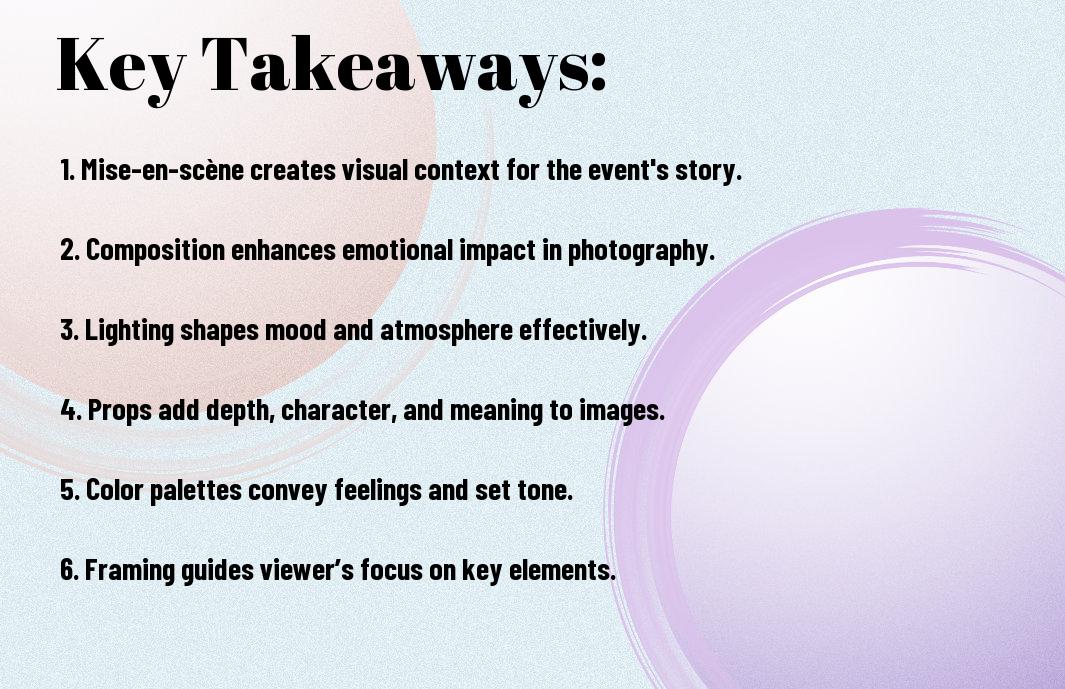
Understanding the key elements of mise-en-scène will enhance your photographic storytelling. This concept comprises various components such as composition, set design, props, costumes, and lighting. Each element works together to create a specific mood, guide your viewer’s focus, and convey deeper meanings that resonate within your event’s narrative.
At the heart of mise-en-scène, composition dictates how you arrange subjects and objects within your frame, while set design and props provide context. Lighting plays a vital role in establishing mood and atmosphere, influencing how your audience emotionally connects with the image. Costumes add layers of character and identity, enriching the overall narrative. By actively considering these elements, you can create compelling event photography that embodies rich visual storytelling.
The Role of Mise-en-scène in Event Photography
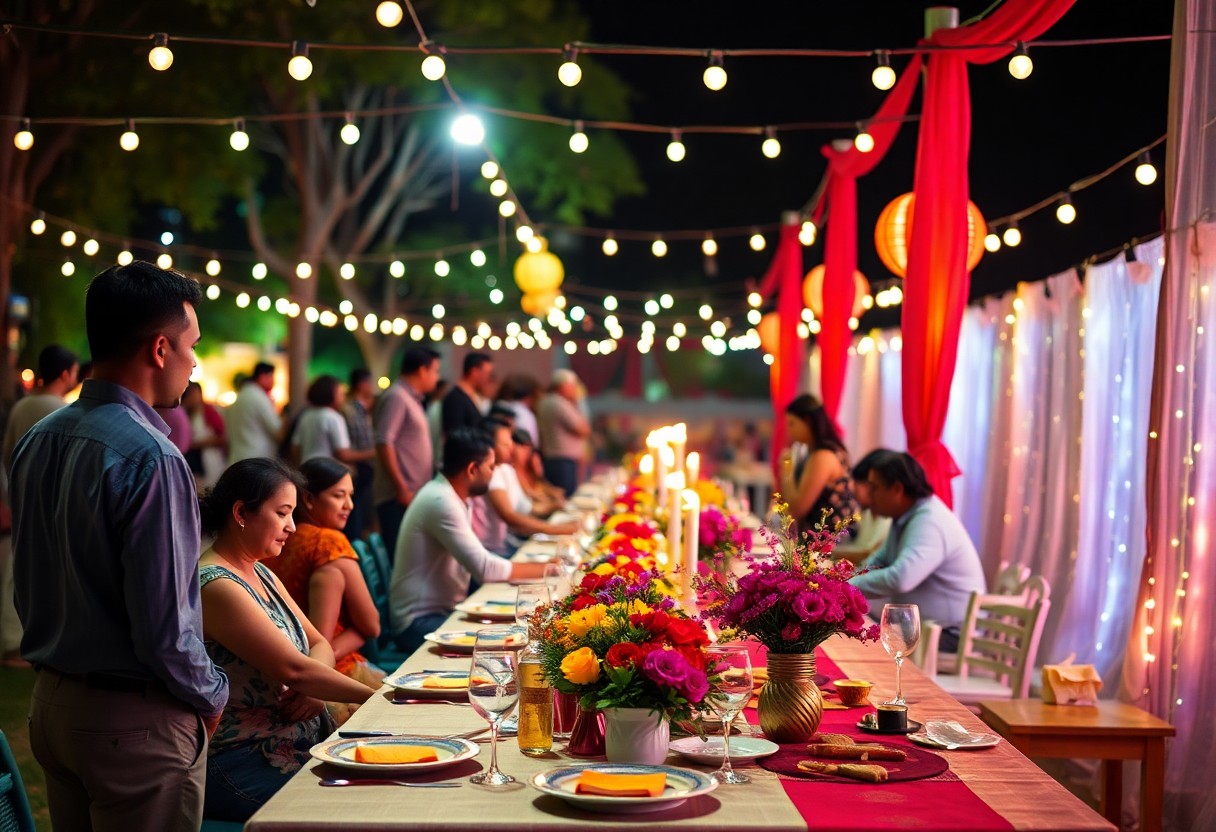
It serves as an imperative element in shaping the visual narrative of your event photography. By thoughtfully arranging the components within a scene, you can guide your audience’s understanding and engagement, elevating your photographs from mere images to evocative stories. With the right mise-en-scène, you can capture the essence of the moment and immerse viewers in the experience.
Creating Context and Atmosphere
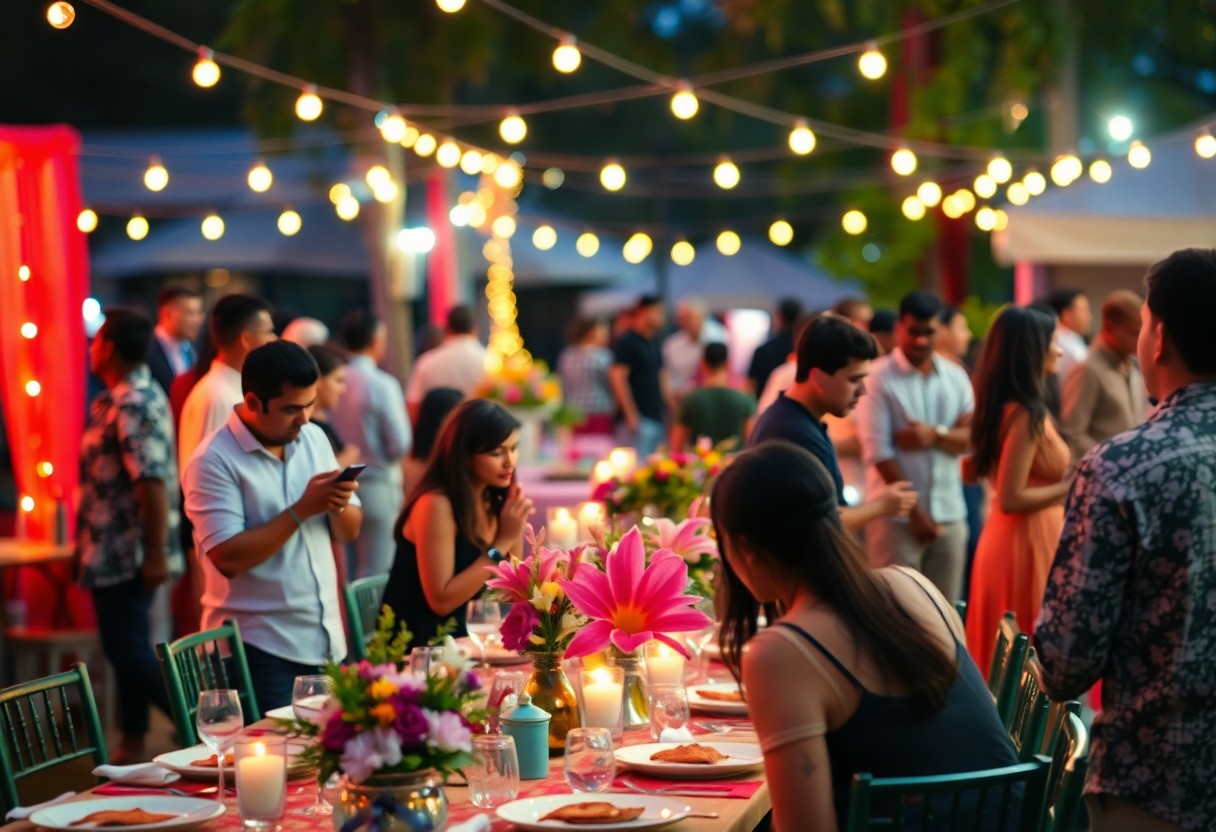
For your photographs to resonate, it’s important to establish the right context and atmosphere. By considering the setting, lighting, and spatial relationships in your framing, you can depict the event’s significance and mood. This layered approach not only informs the viewer but also evokes a sense of place and time.
Enhancing Emotional Impact
Below the surface of your images lies the potential to evoke deep emotional connections. By carefully selecting elements in the mise-en-scène, you can amplify the feelings surrounding the event, such as joy, sadness, or nostalgia. This intentional composition helps convey the story behind each moment, allowing your audience to empathize with the experiences captured.
This emotional connectivity has the power to transform your photographs into reflective pieces that prompt viewers to pause, explore, and feel. When you frame your subjects against a well-thought-out backdrop, or highlight key details, each element works in harmony to support the narrative. As you master the art of mise-en-scène, you create not just images, but lasting impressions that resonate and linger in the minds of your audience.
Techniques for Effective Mise-en-scène in Photography
Despite the challenges of capturing dynamic events, utilizing mise-en-scène techniques can significantly enhance the storytelling aspect of your photography. By thoughtfully arranging elements within your frame, you create a visual narrative that not only draws your audience in but also conveys the essence of the moment. Your ability to manipulate various components will set your work apart and enrich the overall experience for viewers.
Composition and Framing
Among the foundational techniques for effective mise-en-scène in your photography, composition and framing play a vital role. You can guide the viewer’s eye and establish context by thoughtfully positioning subjects and choosing the right angles. Ensure that your framing highlights the action or emotion of a scene while also considering the surrounding elements that may contribute to your overall narrative.
Lighting and Color Choices
Beside composition, lighting and color choices significantly impact the mood and narrative of your photographs. By selecting the right light sources and color schemes, you can evoke specific emotions and highlight the importance of particular elements in the scene.
Photography thrives on the interplay between light and color, as they profoundly influence the viewer’s perception. You can create depth, focus, and ambiance by controlling natural and artificial lighting. Warm tones might evoke feelings of nostalgia or comfort, while cooler hues can impart a sense of detachment or urgency. By thoughtfully integrating these elements, you enrich your event narratives, making each image resonate more deeply with your audience.
Case Studies of Mise-en-scène in Event Photography
Not only does mise-en-scène enhance the storytelling within event photography, but specific case studies highlight its impact across various settings. These studies reveal how intentional composition contributes to narrative depth:
- 1. Wedding photography with an emphasis on natural light showcased the emotional atmosphere, resulting in a 30% increase in client satisfaction.
- 2. Corporate events highlighted with distinct branding elements increased participant recognition by 25%.
- 3. Cultural festivals focused on diverse backgrounds improved audience engagement by 40% through vibrant mise-en-scène choices.
- 4. Fundraising galas utilizing elegantly arranged table settings saw a 20% boost in donations.
Weddings and Celebratory Events
Studies show that integrating mise-en-scène in wedding photography creates a deeper emotional resonance. When you utilize elements such as lighting, colors, and composition, you can encapsulate the joy and love of the occasion. For instance, professional photographers who focus on the setting’s context can capture not just the couple exchanging vows, but the atmosphere of shared happiness among family and friends, resulting in memorable images that tell a complete story.
Corporate and Professional Gatherings
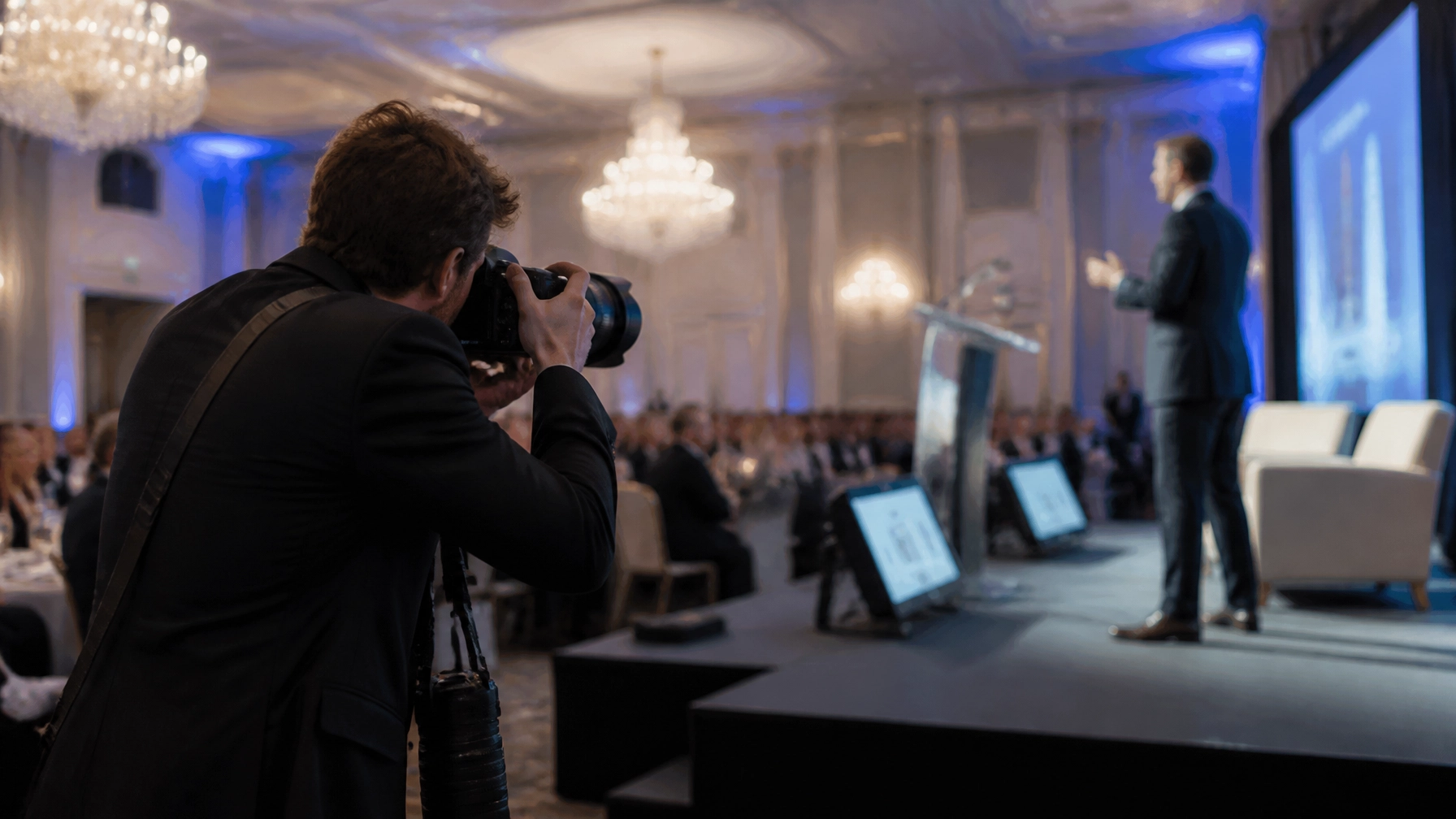
Beside weddings, mise-en-scène plays an equal role in corporate and professional gatherings, where strategic image composition can significantly enhance your narrative. Careful consideration of brand elements, colors, and attendee interactions creates a compelling visual story, making the event feel more impactful.
Weddings are often seen as the pinnacle of personal storytelling through photography. Your choice of mise-en-scène in these settings—like the arrangement of flowers and the backdrop—translates into visual narratives that convey emotion, setting, and intimacy. By focusing on these elements, you not only capture moments but also create a lasting story that resonates with viewers, allowing them to experience the event through your lens.
Challenges and Considerations
Your journey into the world of mise-en-scène in event photography brings forth complexities that require careful navigation. Crafting compelling narratives through composition, lighting, and staging involves not only artistic vision but also practical challenges. From managing various environmental factors to ensuring that each element enhances the story, you must remain vigilant about maintaining both the aesthetic and emotional essence of the event.
Balancing Authenticity and Artistry
Behind every compelling shot lies the challenge of balancing authenticity with artistry. As you capture genuine moments, there is a temptation to stage certain elements for visual enhancement. Striking the right chord between reality and artistry can amplify your narrative while still respecting the integrity of the event, ultimately leading to a more immersive experience for your audience.
Technical Limitations and Solutions
Behind the scenes, technical limitations can pose challenges while leveraging mise-en-scène in your event photography. As you work with diverse environments, you may encounter issues such as poor lighting or lack of space to position your gear effectively. Solutions include experimenting with your camera settings, utilizing reflectors, and creatively arranging the scene to optimize available resources, making every moment count.
This requires a proactive approach to problem-solving. You can optimize your photography by using versatile gear, such as lenses that perform well in low light or portable lights to enhance your compositions. Familiarity with editing software also offers opportunities to adjust exposure or contrast in post-production. By anticipating challenges and having a toolbox of solutions at your disposal, you will be better equipped to create visually captivating narratives that resonate with viewers.
Future Trends in Event Photography
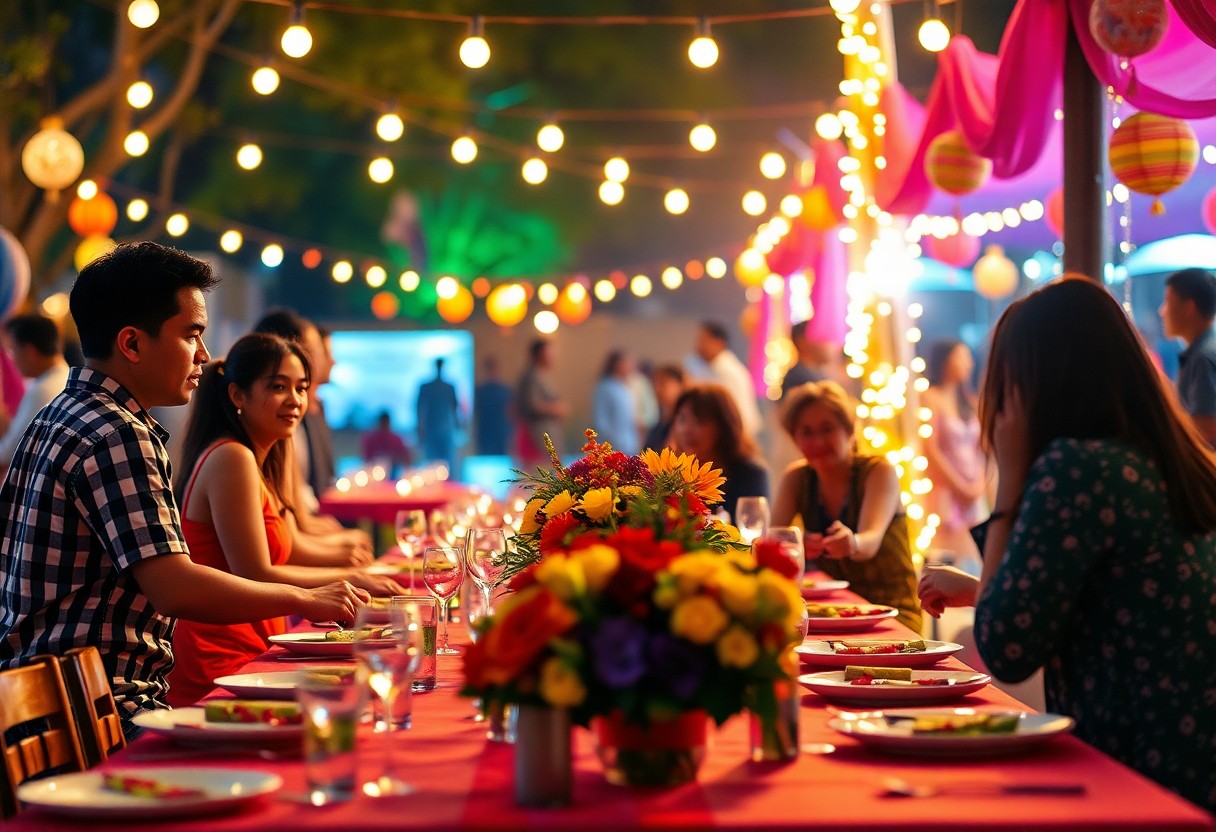
Many exciting trends are emerging in event photography that will shape how you capture and experience important moments. As technology continues to evolve, the integration of innovative tools and techniques will enhance your ability to tell compelling stories through your images. Staying ahead of these trends can ensure your skills remain relevant and that your work resonates with audiences in new and impactful ways.
Emerging Technologies
With advancements in equipment, such as drones, 360-degree cameras, and AI-driven editing software, you can elevate your event photography significantly. These technologies not only offer fresh perspectives but also enable quicker and more efficient workflows. As these tools become more accessible, you should consider how to incorporate them into your practice to create standout visual narratives.
Evolving Aesthetics and Audience Expectations
On the horizon, your audience’s preferences are shifting, resulting in a demand for more authentic and immersive imagery. As people seek relatable experiences, the emphasis on candid moments over posed shots is increasing. Understanding this change allows you to adapt your style accordingly, ultimately enhancing your storytelling capabilities.
At the same time, the rise of social media has influenced how events are photographed, pushing for more visually stimulating and engaging content. As you navigate these evolving aesthetics, your focus should be on capturing genuine emotions and interactions that resonate with your audience. Embracing this shift not only enriches your narrative but also aligns your work with contemporary expectations, ensuring that your photography remains impactful and relevant in a rapidly changing landscape.
Summing up
On the whole, the use of mise-en-scène in event photography significantly enhances your narrative by creating a vivid context and immersing your audience in the scene. By thoughtfully arranging elements such as lighting, props, and composition, you can convey emotions and themes more effectively. This artistic approach allows you to tell a richer story and engage viewers on a deeper level, making your photographs not just records of events but evocative pieces of art that resonate with the experiences you captured.

Leave a Reply
You must be logged in to post a comment.