
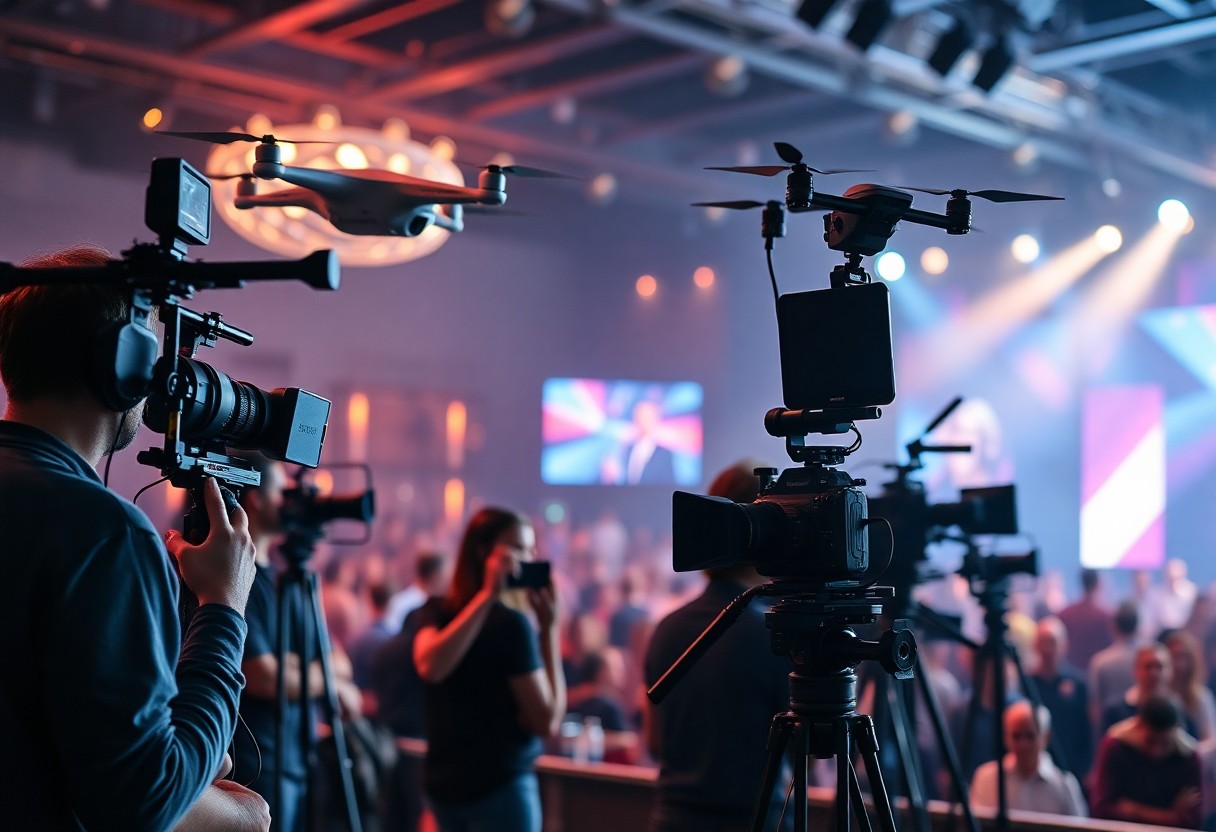
You have the power to transform your event videography by embracing avant-garde storytelling techniques. This innovative approach allows you to captivate your audience, presenting your events in a way that truly reflects their energy and emotion. By incorporating unique narratives, experimental visuals, and unconventional editing styles, you can engage viewers on a deeper level, creating a memorable experience. Elevating your videography with these methods not only sets you apart from the competition but also enriches the overall perception of your events, turning moments into art.
Key Takeaways:
- Avant-garde storytelling encourages out-of-the-box thinking, enabling unique narratives that stand out in event videography.
- Integrating unconventional techniques, such as non-linear storytelling, can create a more immersive experience for viewers.
- Utilizing abstract visuals and experimental soundscapes can deepen emotional engagement and highlight the event’s atmosphere.
- Collaboration with artists and creatives from various disciplines can introduce fresh perspectives and innovative concepts into your videography.
- Prioritizing authenticity and personal stories over traditional documentation can resonate more powerfully with audiences.
- Leveraging technology, such as VR or AR, can push the boundaries of traditional event videography, providing a novel experience.
- Emphasizing artistic expression can not only attract a niche audience but also create lasting impressions that elevate your brand.
Crafting Bold Narratives: The Core of Avant-Garde Storytelling
Embracing avant-garde storytelling empowers you to create bold narratives that defy conventional expectations. By focusing on originality and experimentation, you can weave captivating stories that resonate deeply with your audience. Your event videography can transform into a compelling form of art, utilizing innovative techniques and perspectives that evoke curiosity and engagement. This approach not only enhances the viewer’s experience but also builds a stronger emotional connection, making your work memorable and impactful. Tapping into this creative vein allows your projects to stand apart in a crowded market.
Emphasizing Emotion Over Information
Rather than relying solely on factual sequences, emphasizing emotion allows you to connect with audiences on a personal level. Capturing authentic moments—joyful laughter, touching tears, and spontaneous interactions—creates a resonant narrative that transcends mere information. Prioritizing these emotions offers your viewers a rich experience that they will feel in their hearts long after the event ends.
Breaking Traditional Story Arcs
By challenging traditional story arcs, you enable audiences to experience narratives in an unexpected yet compelling way. Instead of following a linear format with a defined beginning, middle, and ending, you can experiment with various structures like fragmented storytelling, non-linear timelines, or even immersive experiences that invite viewer participation. This non-traditional approach ignites curiosity and engagement, encouraging viewers to actively piece together the story in their minds, creating a sense of discovery and involvement. For instance, a recent film showcased an event by entering into a series of vignettes, interspersing emotional highs and lows, which left the audience both intrigued and emotionally fulfilled.
Visual Aesthetics: Beyond the Conventional Frame
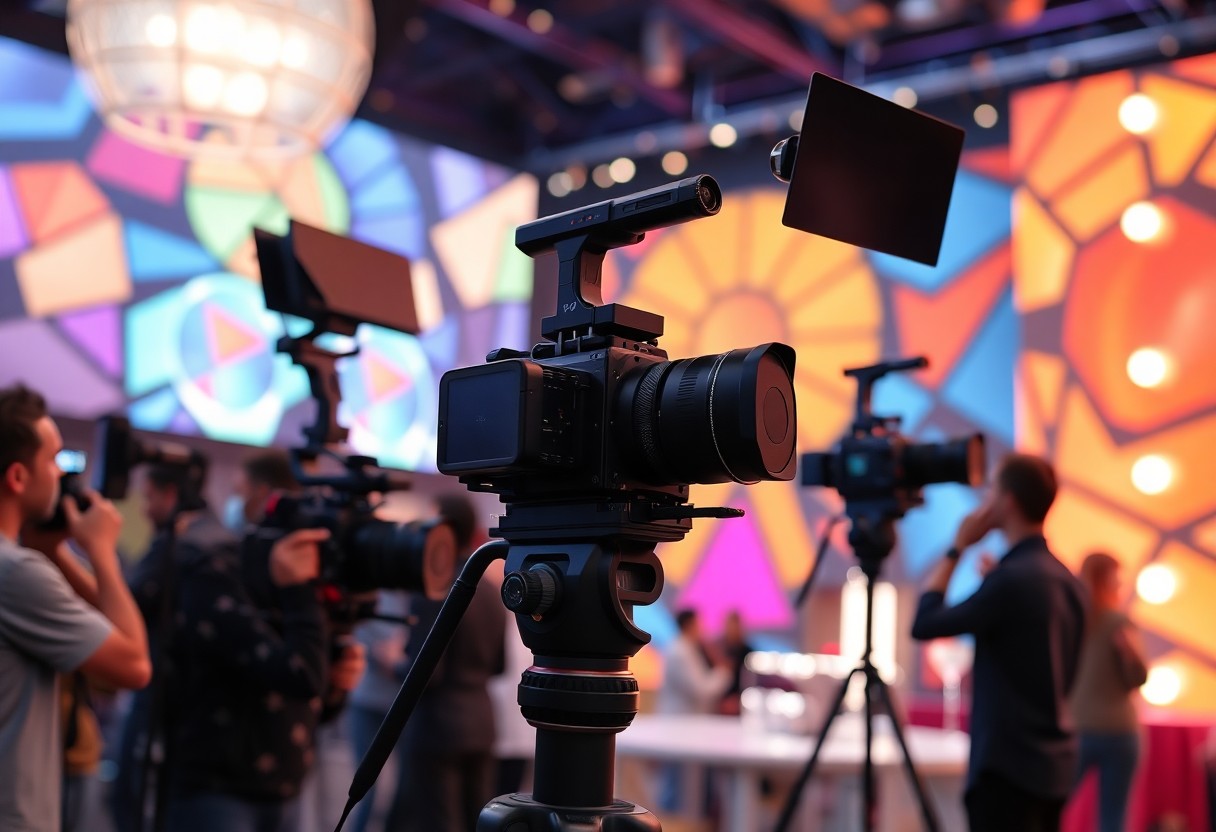
The visual aesthetic of your event videography can profoundly impact audience engagement. Embracing avant-garde storytelling allows you to break free from traditional framing, using unexpected angles and placements to create a more immersive experience. By stepping outside the box, you’ll capture the essence of your event in a visually striking manner, turning fleeting moments into lasting impressions that resonate with viewers on a deeper level.
Experimenting with Composition and Color
Venturing beyond basic compositional techniques offers the chance to reinvent your storytelling methods. Play with dynamic angles and unconventional framing to evoke emotions, while vibrant colors can heighten the atmosphere. Consider using contrasting hues to draw attention to specific elements, turning each shot into a powerful visual narrative that captivates your audience.
The Power of Abstract Imagery
Abstract imagery can serve as a potent tool to elicit emotions and provoke thought. By focusing on shapes, textures, and colors over literal representations, you create a canvas that allows your audience to connect with the essence of the event rather than the specifics. This approach can transform ordinary moments into extraordinary visual experiences, inviting viewers to interpret the narrative in their own unique way.
Incorporating abstract imagery in your event videography fosters a sense of curiosity and intrigue. For instance, capturing close-ups of hands interacting or using shadows and reflections can generate a visual language that communicates feelings without relying on speech. This style resonates with modern audiences, who often appreciate art that engages their imagination. By blending these unconventional visuals into your narratives, you elevate your storytelling, encouraging viewers to see beyond the surface and investigate the deeper themes of your events.
Engaging Audiences Through Multi-sensory Experiences
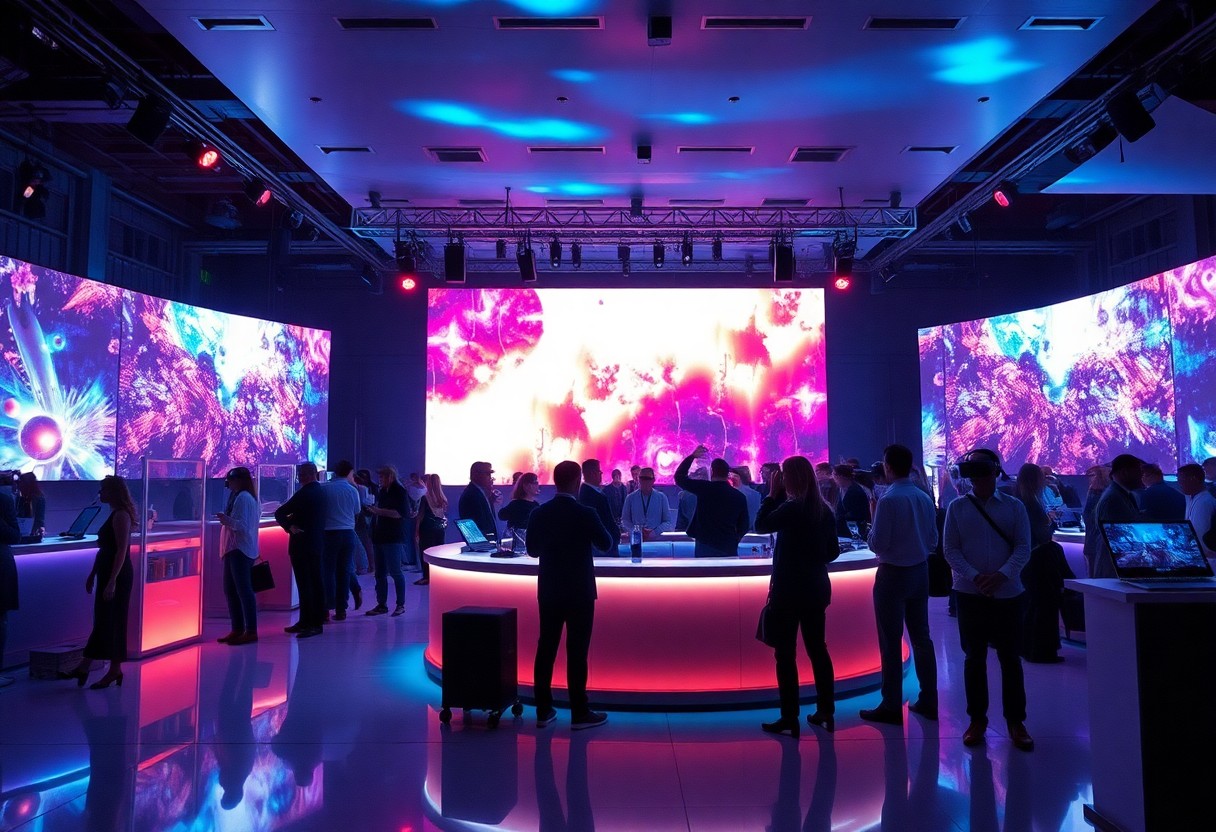
Transforming your event videography into a multi-sensory experience captivates audiences more effectively than traditional methods. By combining visual elements with tactile, auditory, and olfactory components, you create a sequence that resonates deeply with viewers. Integrating unique experiences, such as vibrant visuals paired with immersive soundscapes and tailored aromas, can elicit emotional responses, leaving a lasting impression long after the event ends. This engagement strategy makes your videos not just a viewing experience, but a memorable journey that engages all senses.
Incorporating Sound Design and Music
Effective sound design goes beyond background music; it shapes your audience’s perception and emotional connection to the event. Employing specific soundscapes or music selections that align with the event’s theme can significantly enhance storytelling. For instance, using orchestral scores during key moments can evoke excitement, while softer tunes may create a serene atmosphere, guiding viewer sentiment throughout the narrative.
Utilizing Interactive Elements
Interactive elements transform passive viewers into engaged participants, fostering deeper connections to your content. Consider incorporating features such as live polls, Q&A sessions, or even augmented reality experiences within your videography. These tools allow attendees to influence the narrative or engage with the content in real-time, maximizing the value of their experience.
For example, integrating live polls during an event can allow you to capture immediate feedback and tailor the flow of your video in real-time. This engagement not only enhances viewer involvement but also provides valuable insights for future events. Incorporating interactive elements like QR codes leading to exclusive content or supplemental materials can further deepen the viewer’s experience. When guests actively participate, they are more likely to share their experience, broadening your audience reach and enriching your video project’s impact.
Innovative Techniques: From Concept to Execution
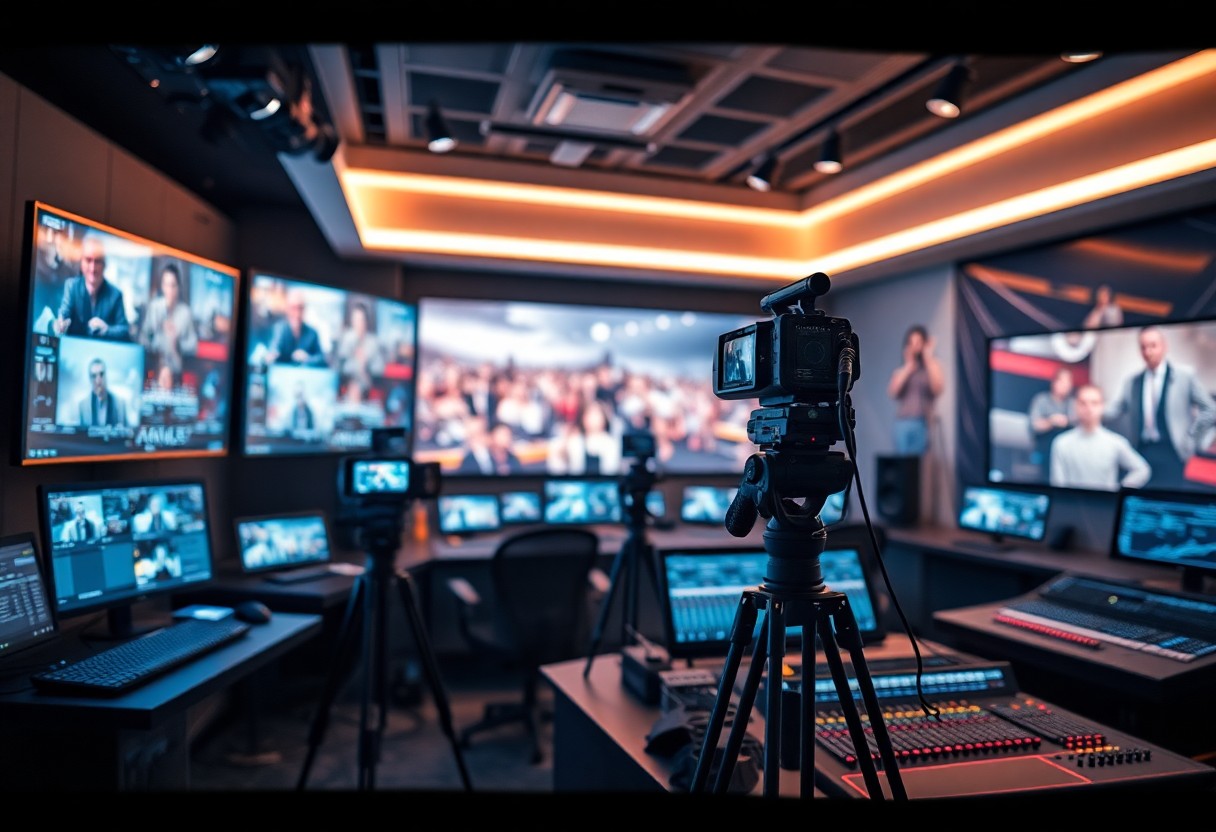
Blending innovative techniques from conceptualization through to execution elevates your event videography to new heights. Utilizing an avant-garde approach allows you to explore unconventional themes and narratives, transforming mundane footage into memorable visual stories. Adopting methods like non-linear storytelling, unexpected perspectives, and immersive environments sparks viewer interest and deepens emotional connections with your audience. Executing these techniques effectively requires a commitment to creativity, ensuring that every element, from cinematography to sound, enhances the overall narrative.
The Role of Technology in Pushing Boundaries
Integrating state-of-the-art technology substantially broadens your storytelling capabilities. Tools such as 360-degree cameras, drones, and augmented reality provide fresh viewpoints and enhance interactivity. Leveraging these technologies can elevate your project beyond traditional limits, enabling you to capture dynamic, engaging visuals that foster a deeper connection with your audience. Programs like virtual reality can also offer immersive experiences, transforming passive viewing into participation, and consequently, increasing viewer retention.
Collaborative Approaches with Creatives
Collaborating with diverse creatives infuses your project with varied insights and talents. By engaging with writers, designers, and musicians, you deepen the narrative layers of your videography. For instance, teaming up with a multimedia artist can blend different mediums, creating an integrated experience that captivates and surprises audiences. Surrounding yourself with a network of innovative thinkers encourages brainstorming and experimentation, leading to unique storytelling methods that differentiate your work in a saturated market. Establishing partnerships can not only enhance creative output but also share resources and broaden your reach to new audiences.
The Future of Event Videography: Trends to Watch
As you navigate the evolving landscape of event videography, trends such as immersive storytelling, interactive content, and real-time editing are set to redefine your approach. Embracing technologies like 360-degree cameras and augmented reality (AR), you can create experiences that resonate more profoundly with audiences. Adapting to these innovations allows you to stay ahead, ultimately enhancing engagement and capturing the emotions that make events memorable.
Shifting Cultural Narratives in Videography
The demand for authenticity in storytelling is reshaping cultural narratives in videography. You’ll find that audiences today favor relatable, genuine moments over polished perfection. Investing in diversity and inclusivity in your content not only reflects societal shifts but also connects you with a broader audience, fostering trust and deeper emotional ties.
Predictions for Emerging Technologies and Styles
Emerging technologies such as artificial intelligence and machine learning are poised to revolutionize your storytelling techniques. By utilizing AI-driven analytics, you can personalize your content creation to fit various audience preferences. Additionally, innovative styles like documentary filming paired with cinematic techniques will bring fresh dimensions to your work, allowing for more engaging and varied narratives.
Imagine harnessing AI not just for editing but also to analyze audience engagement patterns from previous events, tailoring your videography content accordingly. Implementing drone technology introduces dynamic aerial shots, elevating visual storytelling. As live streaming continues to grow, integrating multi-angle perspectives in real-time provides viewers with a customized experience. These advancements promise not only to enhance production quality but also to capture the essence of your events in ways that resonate long after they conclude.
To wrap up
With these considerations, you can elevate your event videography by embracing avant-garde storytelling techniques. By integrating innovative narratives, unique visuals, and immersive experiences, your projects will resonate more deeply with your audience. This approach not only enhances viewer engagement but also distinguishes your work in a saturated market. As you experiment with unconventional methods, you’ll likely discover new ways to capture emotions and stories that truly reflect the essence of the events you cover. Now is the time to revolutionize your approach and make a lasting impact.
FAQ
Q: What is avant-garde storytelling in the context of event videography?
A: Avant-garde storytelling refers to innovative and experimental narrative techniques that push the boundaries of traditional storytelling. In event videography, this means using unique perspectives, editing styles, and visual techniques to create a more immersive and engaging experience for viewers. By integrating elements such as abstract visuals, non-linear narratives, and artistic representation, videographers can offer a fresh take on capturing events.
Q: How can avant-garde storytelling enhance audience engagement during events?
A: By employing avant-garde storytelling techniques, videographers can create content that captivates audiences on a deeper level. Unconventional narratives and striking visual elements can provoke emotional responses, encourage viewers to think critically, and spark curiosity. This heightened engagement can lead to a more memorable event experience, as audiences are likely to share and discuss innovative content, further amplifying the event’s reach.
Q: What are some techniques used in avant-garde event videography?
A: Techniques in avant-garde event videography may include the use of unconventional camera angles, juxtaposition of unrelated visuals, abstract editing styles, and the integration of performance art elements. Additionally, sound design can play a significant role, using music and sound effects that challenge norms. These techniques help convey emotions and themes in ways that standard videography may not achieve.
Q: Can avant-garde storytelling be applied to all types of events?
A: Yes, avant-garde storytelling can be adapted to various types of events, including corporate conferences, weddings, art exhibitions, and performances. The key is to tailor the storytelling techniques to fit the event’s theme and audience. For formal events, a more subtle approach may be necessary, while artistic events may benefit from more experimental and bold interpretations.
Q: What challenges might videographers face when incorporating avant-garde storytelling?
A: Incorporating avant-garde storytelling can come with challenges such as balancing creativity with audience expectations and ensuring that the core message of the event is communicated effectively. Additionally, avant-garde techniques may require advanced skills in editing and production, as well as a willingness to experiment and take risks. Videographers need to be prepared to navigate these challenges while maintaining the event’s integrity and goals.


Leave a Reply
You must be logged in to post a comment.