
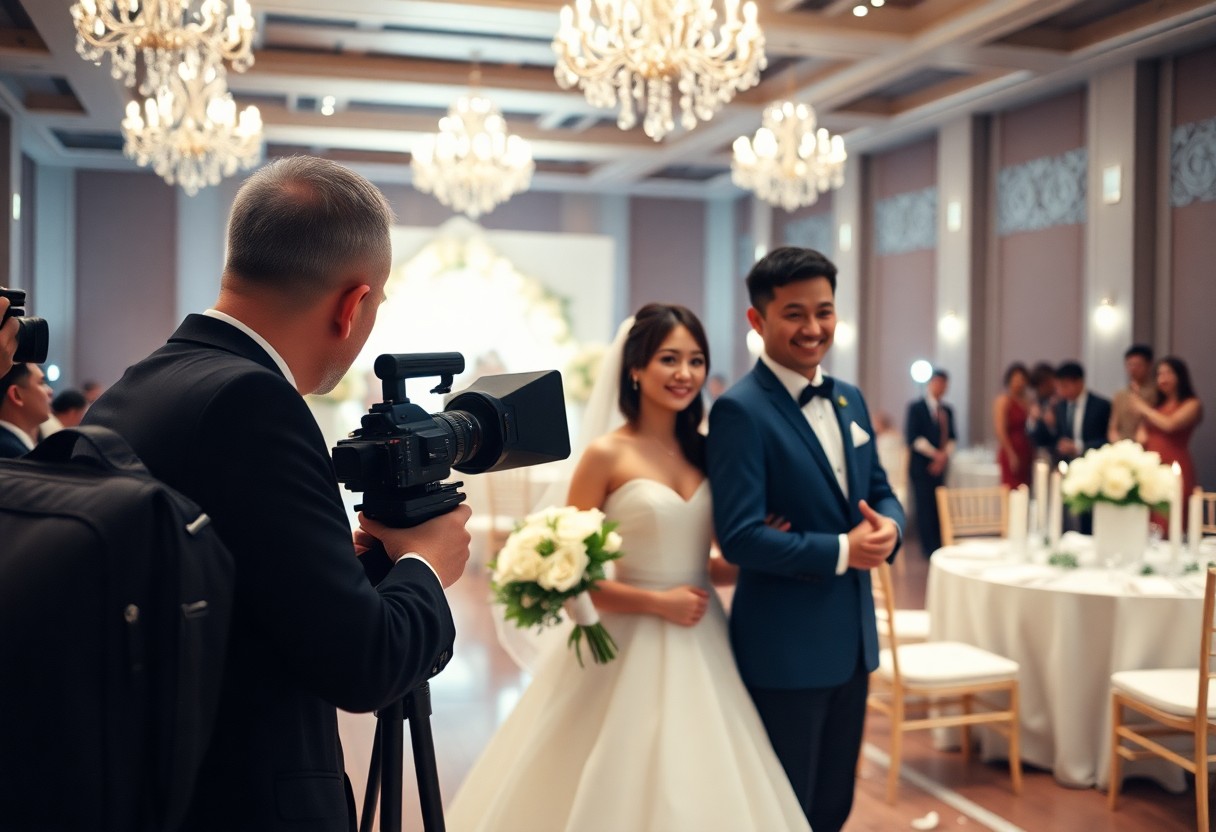
Over the course of planning your wedding, selecting the right photographer can be one of the most significant decisions you make. Your wedding photos will capture memories that last a lifetime, so it’s important to find someone who understands your vision and style. In this guide, you’ll learn how to identify your photography needs, evaluate potential candidates, and ultimately choose the perfect wedding photographer to bring your dream day to life. Let’s commence on this exciting journey together!
Photographer selection can make or break your wedding memories. In this important guide, you’ll discover how to navigate the process of finding the perfect wedding photographer who aligns with your vision and style. From understanding your photography preferences to setting a budget, this post will equip you with all the necessary steps to ensure your special day is beautifully captured. Your wedding deserves stunning images that you’ll cherish for a lifetime, so let’s dive in and make sure you find the ideal professional to tell your love story through their lens.
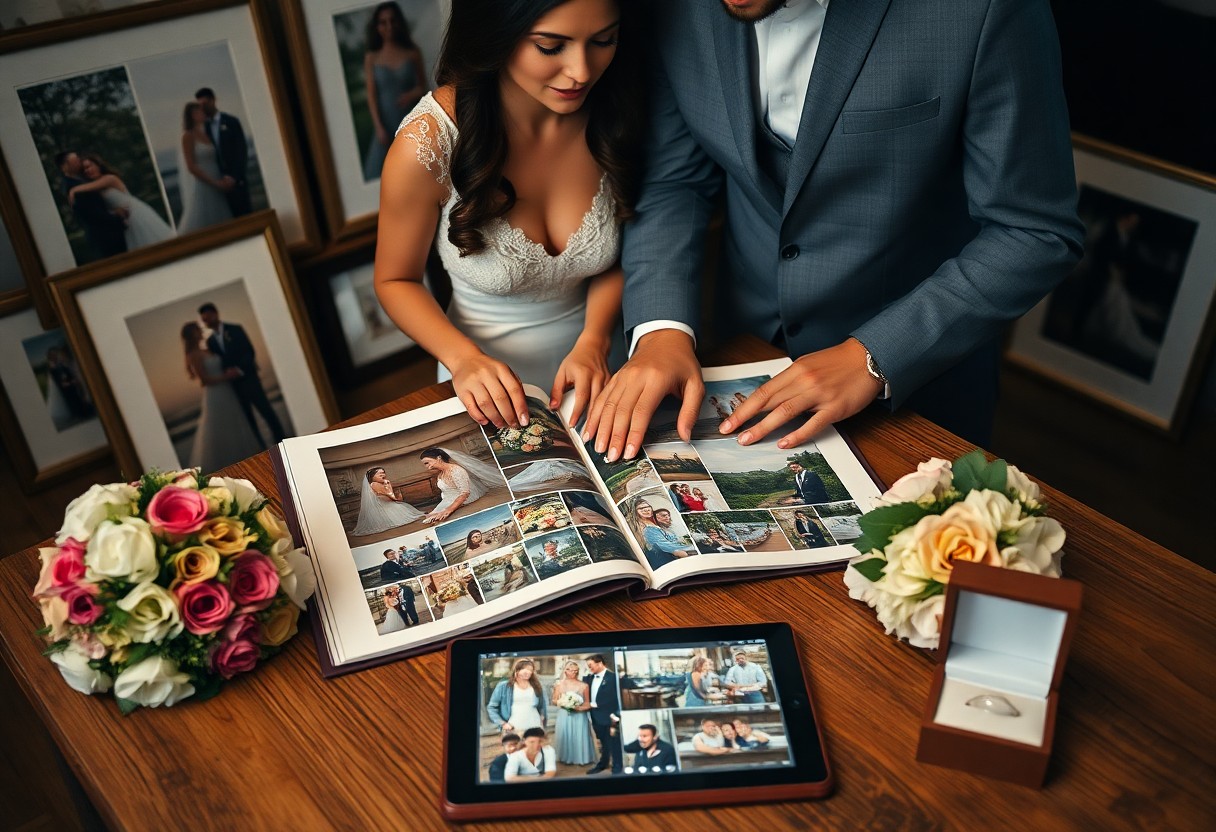
Uncovering Your Photographic Style Preferences
Finding a wedding photographer who aligns with your style is important for capturing your unique love story. To refine your preferences, assess various photography styles—whether you lean toward modern, candid, or traditional approaches. This exploration will help you articulate your vision and ensure that your chosen photographer can bring your dreams to life.
Identifying Aesthetic Influences
Your aesthetic preferences can be inspired by many factors, from art and fashion to nature and architecture. Consider creating a mood board filled with images that resonate with you. Pinterest is a fantastic platform for collecting visual inspiration, allowing you to see which colors, compositions, and styles speak to your heart. This step is pivotal in defining your wedding photography narrative.
Exploring Photography Genres
Diving into the various photography genres can elevate your understanding of what you desire in your wedding photos. You’ll find styles such as photojournalism, which focuses on storytelling through candid moments, and fine art, which emphasizes composition and artistic flair. Other styles, like lifestyle photography, blend traditional poses with candid interactions, creating a harmonious mix of stunning portraits and genuine moments. Each genre provides a unique perspective on your wedding day, shaping how you’ll relive those memories for years to come.
Mapping Your Vision: Define Your Wedding Photography Style
Identifying your wedding photography style sets the foundation for a successful collaboration with your photographer. Consider how you envision your day being captured—do you prefer the candid, documentary style that tells a story or the posed, traditional portraits? You might be drawn to artistic, fine art photography that captures emotions in an ethereal manner. Defining your aesthetic early on will streamline the search for the ideal photographer who resonates with your vision.
Exploring Different Photography Genres
Diving into various photography genres allows you to pinpoint what resonates with you. Styles range from photojournalism, which captures spontaneous moments, to editorial, which emphasizes posed, stylized shots. Alluring fine art photography incorporates creative concepts, while classic portraiture emphasizes timeless poses. A mix of these genres can deliver a comprehensive story of your wedding day.
Creating a Mood Board to Visualize Your Aesthetic
A mood board serves as a visual representation of your desired wedding photography style. This collage of images, colors, and textures reflects the atmosphere and emotions you want to capture, helping your photographer understand your vision more deeply. Collect inspiration from various sources—Pinterest, wedding magazines, or even personal photographs—to convey an authentic visual narrative for your special day.
As you gather images for your mood board, focus on elements that resonate with you emotionally. Combine photographs featuring specific lighting, poses, and compositions you appreciate. For instance, if you love the bright, airy feel of sun-drenched images, include similar shots to reflect that preference. Pulling together these visuals not only illuminates your style but also creates a helpful reference point to discuss with your photographer, ensuring they capture your wedding day just as you envision.

Setting a Realistic Budget for Your Wedding Photographer
Establishing a realistic budget for your wedding photographer is important to aligning your vision with what you can afford. Determine a range that permits flexibility and gives you room to invest in quality without a financial burden. Consider your overall wedding budget, taking into account how much you can reasonably allocate to documentation of your big day. As you refine your budget, keep in mind that photographers often package their services, which can affect pricing and ultimate value.
Understanding Pricing Structures
Wedding photographers typically offer various pricing structures, including hourly rates, full-day packages, or offerings that bundle multiple services. Most packages encompass time spent shooting, post-production editing, and deliverables such as prints or digital albums. By familiarizing yourself with these structures, you can better comprehend what you’re paying for and how it aligns with your needs. Different photographers may also have distinctive pricing based on their experience, expertise, or unique style, making it important for you to weigh your options wisely.
Factors Influencing Photographer Costs
Multiple elements influence the costs associated with hiring a wedding photographer. Experience level, geographic location, and demand can significantly shape a photographer’s pricing. For example, a well-established photographer in a metropolitan area may charge more than one operating in a rural community. Additional variables such as the number of events covered, travel requirements, and the inclusion of premium services—like an engagement shoot—affect final pricing. A few of these factors to consider include:
- Experience and Skill Level
- Location and Travel Expenses
- Wedding Season Demand
- Length of Coverage
- Inclusions such as Albums and Prints
- Editing and Post-Production Style
As you analyze these factors, consider how your personal preferences and priorities may shift the budget. For instance, if you’re keen on finding someone with a distinct style, you might be willing to invest more for that unique perspective. Conversely, if you’re on a tight budget, think about what services are non-negotiable and what can be cut back. Reflecting on these questions can help sharpen your focus and guide your decisions. Keep in mind these factors as you refine your budget and search for the ideal photographer.
- Personal Connection with the Photographer
- Special Requests and Customization
- Post-event Deliverables
- Additional Photographer Fees for Extended Coverage
- Use of Specialized Equipment
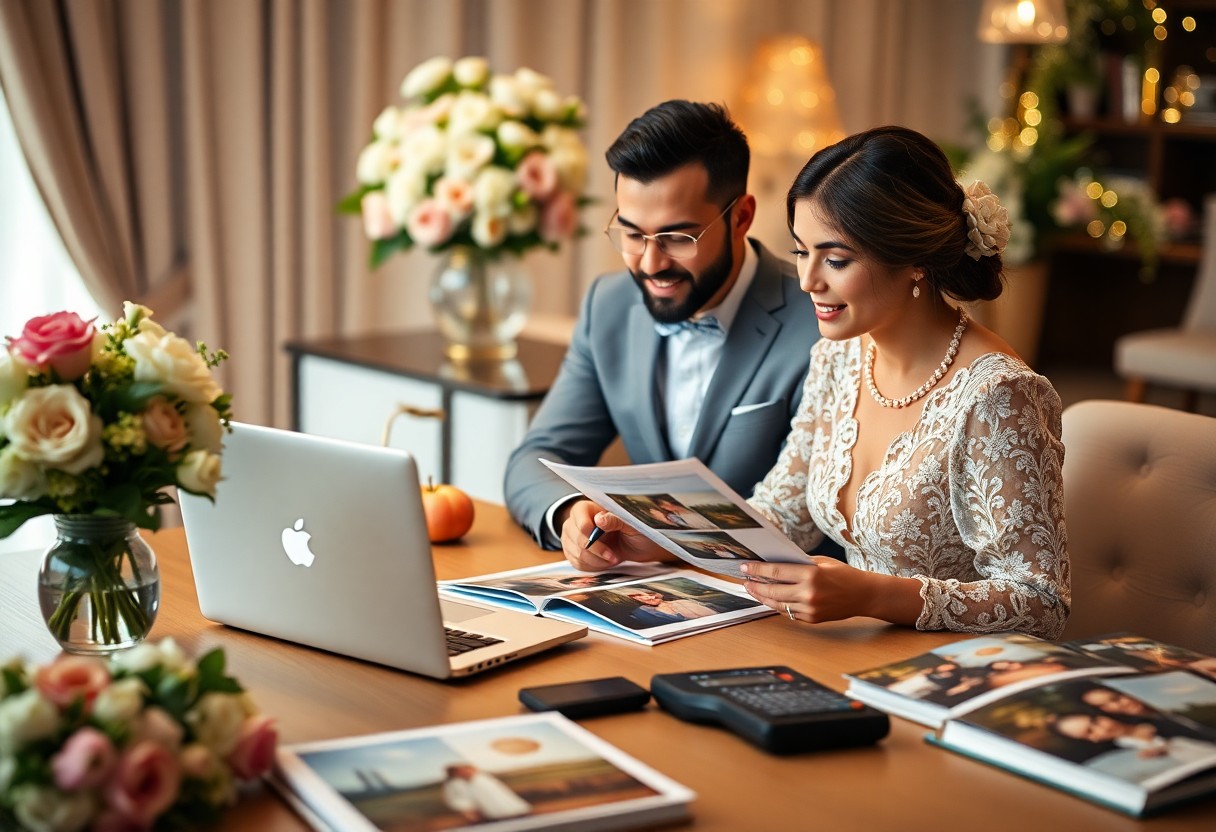
Budgeting for Memories: Understanding Pricing Structures
Establishing a budget for your wedding photography doesn’t just involve setting aside a specific amount; it demands an understanding of what you’re paying for. Photographers often have varying pricing structures based on their expertise, equipment, and the services they provide, such as engagement shoots, albums, or additional photographers. Anticipate differences as you compare rates and ensure you know what each package includes, as this will help you prioritize your desires without overspending.
The Real Cost of Professional Photography
Professional photography typically comes with a price tag that reflects the experience and skill of the photographer, quality of equipment, and the time dedicated to post-production. A professional may charge between $1,500 to $5,000 or more, depending on their reputation, portfolio, and the services provided. This investment often translates into stunning images that preserve your wedding memories for years to come.
Balancing Quality and Affordability
Striking a balance between quality and affordability is key when selecting a wedding photographer. While it might be tempting to go for the lowest bid, quality photography can significantly impact how you recall your special day. Consider establishing a budget that allows for the best quality you can afford, as this can make a substantial difference in the final outcome of your wedding photos. Think about allocating a higher percentage of your overall budget to photography, as these memories will last a lifetime.
Finding that sweet spot between quality and affordability often involves research and prioritization. You might start by reviewing portfolios to gauge the quality of work, then note the prices of photographers whose styles resonate with you. Reach out for quotes and ask about any potential package deals or customizable options that fit your needs. Keep an open line of communication with your chosen photographer regarding what you can afford to spend. Sometimes, photographers offer payment plans or solutions tailored to your budget while ensuring the quality you desire.
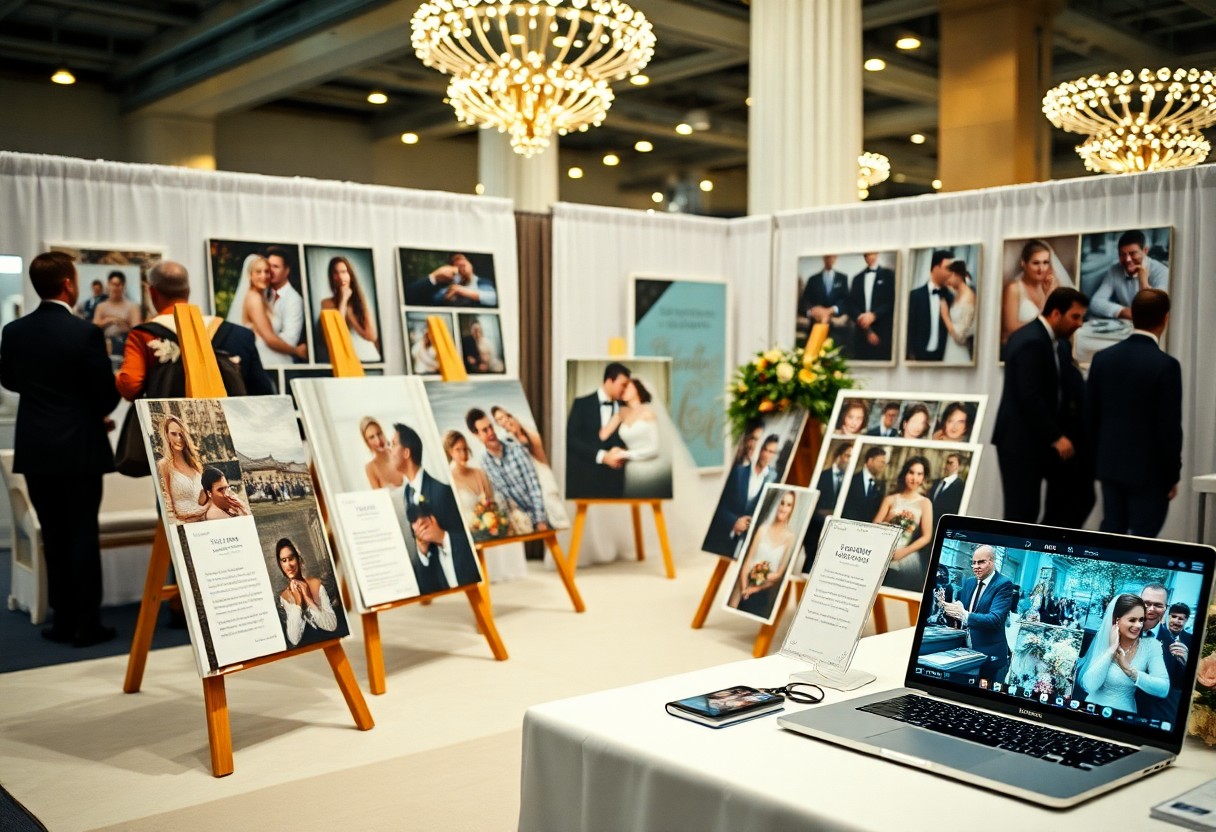
Research Techniques for Finding Talented Wedding Photographers
Finding the right wedding photographer requires a proactive approach to research. Start by exploring multiple platforms to discover a variety of styles and price points that match your vision. Make use of local listings, wedding directories, and specialized forums to ensure you’re aware of all available options and qualified candidates in your area.
Utilizing Online Portfolios and Reviews
Online portfolios serve as a vital resource when evaluating potential photographers. Review their galleries to understand their aesthetic and past work. Also, pay attention to client reviews and testimonials, which offer insights into professionalism, communication, and overall experience. A photographer’s portfolio is often their best advertisement, revealing both their strengths and unique artistic style.
Leveraging Social Media and Word-of-Mouth
Social media platforms like Instagram and Pinterest can be treasure troves for finding wedding photographers. Hashtags and location tags help you discover local talent and view a wider array of their work. Personal recommendations also play a significant role; talking to recently married friends and family can yield valuable leads, as they can share first-hand experiences and their own favorite photographers.
Social media isn’t just about showcasing beautiful images; it’s also an interactive platform that allows you to engage directly with potential photographers. You can see how they interact with clients, their responsiveness, and whether they foster a positive online community. Additionally, asking friends for referrals can streamline your search, as reviews from trusted acquaintances often resonate more strongly than anonymous online feedback. You might find that someone in your circle has a favorite photographer whose work perfectly aligns with your vision, making your decision process both easier and more reliable.
Finding Your Candidates: A Search Beyond Google
Expanding your search for wedding photographers beyond Google can yield more personalized and diverse options. Local wedding expos, photography workshops, and niche websites can help you discover talents that may not have a significant online presence. Additionally, exploring wedding magazines or seeking out local classifieds could provide leads on skilled photographers who align with your vision and budget.
Utilizing Social Media and Wedding Platforms
Social media platforms like Instagram and Pinterest are treasure troves for wedding photography inspiration. You can discover photographers’ portfolios and styles by searching specific wedding hashtags or browsing location tags. Wedding-specific platforms such as The Knot or WeddingWire also offer vendor directories, complete with reviews and ratings, allowing you to filter candidates according to your preferences.
Networking: Recommendations from Recent Brides
Connecting with recently married friends or family members can provide invaluable insights into local photographers. Personal recommendations often highlight not only quality but also the overall experience, which is just as important for ensuring your wedding day goes smoothly.
Engaging with recent brides allows you to hear firsthand about their experiences with specific photographers. Have they found someone whose work truly captured the magic of their day? Were they satisfied with the communication and professionalism before and during the event? Tap into local bridal groups on social media or attend bridal showers and gatherings to collect these gems of information. Often, past clients can offer insights that online reviews may overlook, giving you a clearer picture of a photographer’s true value and style.
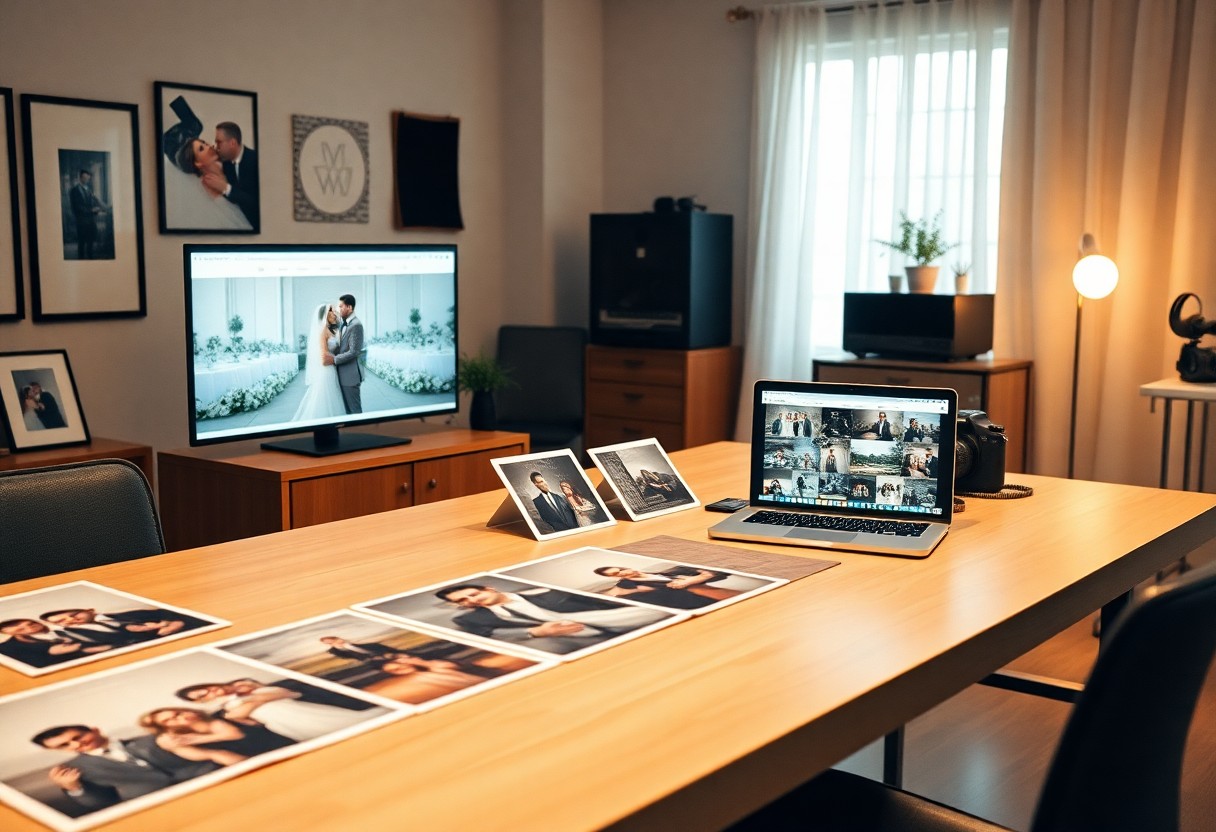
The Art of Interviewing Potential Photographers
Interviewing potential photographers helps you connect on a personal level and assess their style and professionalism. Face-to-face meetings or video calls allow you to gauge their enthusiasm and whether they align with your values. Prepare for these discussions by gathering details about your wedding day timeline, vision, and any unique elements you want to capture. This sets the stage for a meaningful conversation where both you and the photographer can determine if it’s a match.
Key Questions to Ask Before Hiring
Prioritize key questions that cover necessary aspects of the wedding photography experience. Inquire about their photography style, availability, packages offered, and how they handle unexpected situations, like inclement weather. Ask for references from past clients to gauge satisfaction and request a portfolio that showcases their best work, ensuring you see diversity in their shooting styles.
Evaluating Compatibility and Vision
Examining the compatibility between you and your photographer is vital for achieving an outstanding outcome. Assess not only their artistic style but also their personality and how they communicate. A photographer can be technically skilled but might not click with you personally. Look for someone who embraces your vision, listen actively, and offers constructive ideas. The goal is to foster a comfortable environment where your authentic selves can shine, leading to stunning and genuine wedding photographs.
When evaluating compatibility and vision, seek a photographer whose aesthetic resonates with your own. Their portfolio should reflect their unique style, whether it’s candid, traditional, or a blend of both. A photographer who takes time to understand your preferences and suggestions will be more attuned to capturing those special moments that matter most to you. Establishing a rapport encourages comfortable interactions on your big day, ultimately resulting in candid, heartfelt images that reflect your love story authentically.
Vetting Potential Photographers: Questions That Matter
As you narrow down your list of potential wedding photographers, asking the right questions becomes imperative. Inquire about their experience with weddings similar to yours, including the timeline, venue, and specific challenges they have faced. Understanding their approach to capturing the day’s events will give you insight into how they may handle your wedding. Don’t hesitate to ask about their backup plans for equipment failures and unexpected circumstances. A good photographer will be able to provide clear answers that put your mind at ease.
Assessing Portfolios and Style Consistency
Evaluating a photographer’s portfolio goes beyond simply liking their images. Focus on the consistency of their style throughout different shoots and seasons. Look for a cohesive narrative in their work that aligns with the vision you have for your wedding. This consistency indicates their reliability and ability to deliver the same quality for your special day.
Conducting Interviews to Gauge Compatibility
Meeting potential photographers face-to-face or via video call allows you to assess chemistry and compatibility. Discuss details like your wedding vision and preferred styles to see how well their ideas align with yours. Keep an open line of communication, as a photographer who understands your expectations can translate that into captivating images. Pay attention to their enthusiasm and willingness to engage with your vision—these factors often lead to a fruitful partnership.
The interview process can reveal much about a photographer’s personality and ability to collaborate. Prepare specific questions about their shooting style, the length of time they typically spend with clients, and how they handle difficult situations during events. By discussing your respective interests and priorities, you can form a collaborative environment that encourages creativity. A photographer who actively listens and engages with your ideas is likely invested in delivering not just good photos, but an enjoyable experience overall.
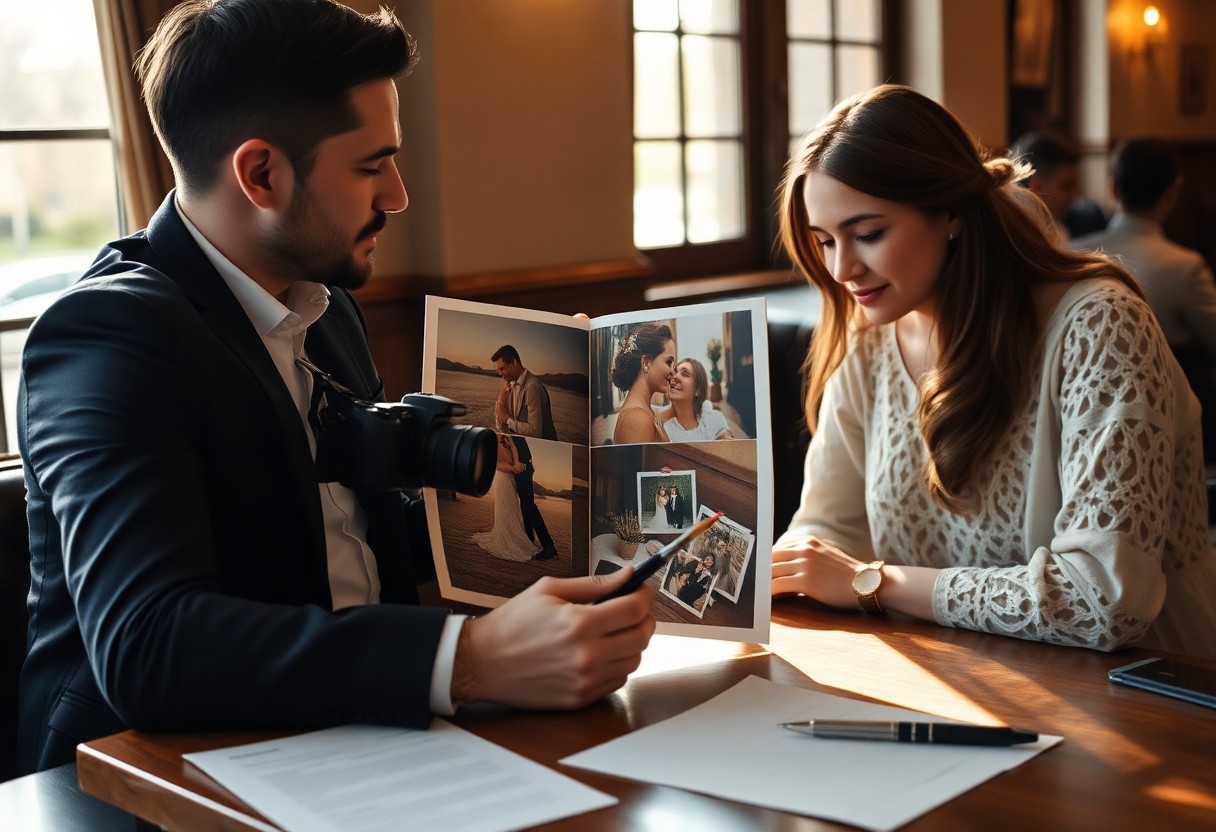
Negotiating the Perfect Photographer Agreement
Securing the ideal photographer for your big day extends beyond just selecting a style; negotiating a comprehensive agreement sets clear expectations for both parties. With the right clauses in place, you protect your interests while ensuring that your photographer is aligned with your vision. Being upfront about your needs and desires can facilitate a smooth negotiation process, making it easier to understand the finer points of your contract.
Essential Clauses to Include
Key clauses to incorporate in your agreement include payment terms, cancellation policies, coverage hours, and ownership of images. Ensure you clarify whether a deposit is required and when the remaining balance is due. Including a clear outline of how many hours of photography are covered, along with contingencies for additional hours, can prevent unexpected surprises. Moreover, specifying whether you’ll receive digital files or prints, and who retains copyright, is vital for your long-term enjoyment of the images.
What to Expect in Deliverables
Your photographer’s deliverables typically encompass a set number of edited images, but the specifics can vary widely. Expect to receive a timeline detailing when you will get your photos, whether in digital format, prints, or an album. Discuss the resolution of images too, as high-resolution files are vital for prints, while lower resolutions are suitable for sharing online. A typical turnaround time can range from a few weeks to several months, depending on your photographer’s workload.
Understanding deliverables clearly can alleviate potential disappointments post-wedding. Many photographers offer a variety of packages that may include not just edited photos but also additional services like engagement shoots, sneak peeks, and online galleries. When discussing the timeline, be sure to ask if there are options for expedited delivery, especially if you have a specific occasion in mind for showcasing your images. Keeping lines of communication open and reviewing each detail ensures you’ll know what to expect and can truly savor the memories captured on your special day.
The Value of Chemistry: Meeting in Person
Finding a wedding photographer who resonates with your vision isn’t just about their portfolio; it’s about establishing a genuine connection. Meeting in person allows you to gauge the photographer’s personality and approach to ensure they align with your style and comfort level. This first meeting often includes discussing your wedding vision and allows the photographer to ask questions that will help them tailor their services to your needs. Engaging in a face-to-face conversation helps foster trust and can even spark creative ideas for your big day.
Setting Up Initial Consultations
Once you’ve narrowed down your list of potential photographers, setting up initial consultations is the next step. This often involves reaching out for meetings, either in person or via video call, to discuss details of your wedding and the photographer’s services. Use this opportunity to share your vision, explore their past work, and get a feel for their personality. Schedules can be tight, so be prepared to be flexible with timing for mutual convenience.
The Importance of a Personal Connection
Building a personal connection with your photographer can significantly impact the results of your wedding photos. Feeling comfortable with your photographer will allow for more natural interactions and candid moments on your special day. The best wedding photographers know that trust fosters creativity, leading to images that truly reflect your love story. A photographer who understands your relationship dynamics can capture genuine moments, rather than forced poses, resulting in a gallery that feels authentic and personal.
Summing up
Hence, by assessing your personal style, researching potential photographers, and thoroughly reviewing portfolios and testimonials, you can confidently select the perfect wedding photographer for your special day. Take the time to communicate your vision, ask the right questions, and ensure you feel comfortable with your choice. Your wedding photographs will be cherished memories for years to come, making it imperative that you find a photographer who aligns with your needs and aesthetic.
Final Thoughts: Securing the Perfect Fit
Securing the perfect wedding photographer is a blend of intuition and informed decision-making. With the right preparation and understanding of your needs, you can confidently choose someone whose style aligns with your vision and who can capture the essence of your special day. Trust your instincts and maintain open communication throughout the process to ensure a smooth partnership.
Reviewing Contracts and Deliverables
Thoroughly reviewing the contract is important to avoid any surprises. Pay close attention to the deliverables—this includes the number of edited photos, the format in which they will be delivered, and the timeline for receiving them. Clarify all your expectations in writing to ensure both you and your photographer are on the same page.
Confirming Details for Peace of Mind
Confirming all details with your photographer leading up to the wedding day helps alleviate any potential stress. This includes reconfirming the schedule, location specifics, and important family shots to capture. A comprehensive checklist shared between you and your photographer can streamline the day and ensure no moments are overlooked.
Ensuring everything is double-checked will give you a sense of security as your wedding approaches. Set a time to discuss the timeline, shot list, and any additional requests you might have. This conversation allows for last-minute adjustments or clarifications, keeping everyone informed and aligned. Coordinate a final meeting a few weeks before your wedding for one last review to solidify your expectations and strategies, allowing you to embrace your day with confidence and joy.



Leave a Reply
You must be logged in to post a comment.