
The Art of Anticipation: Timing Your Shots
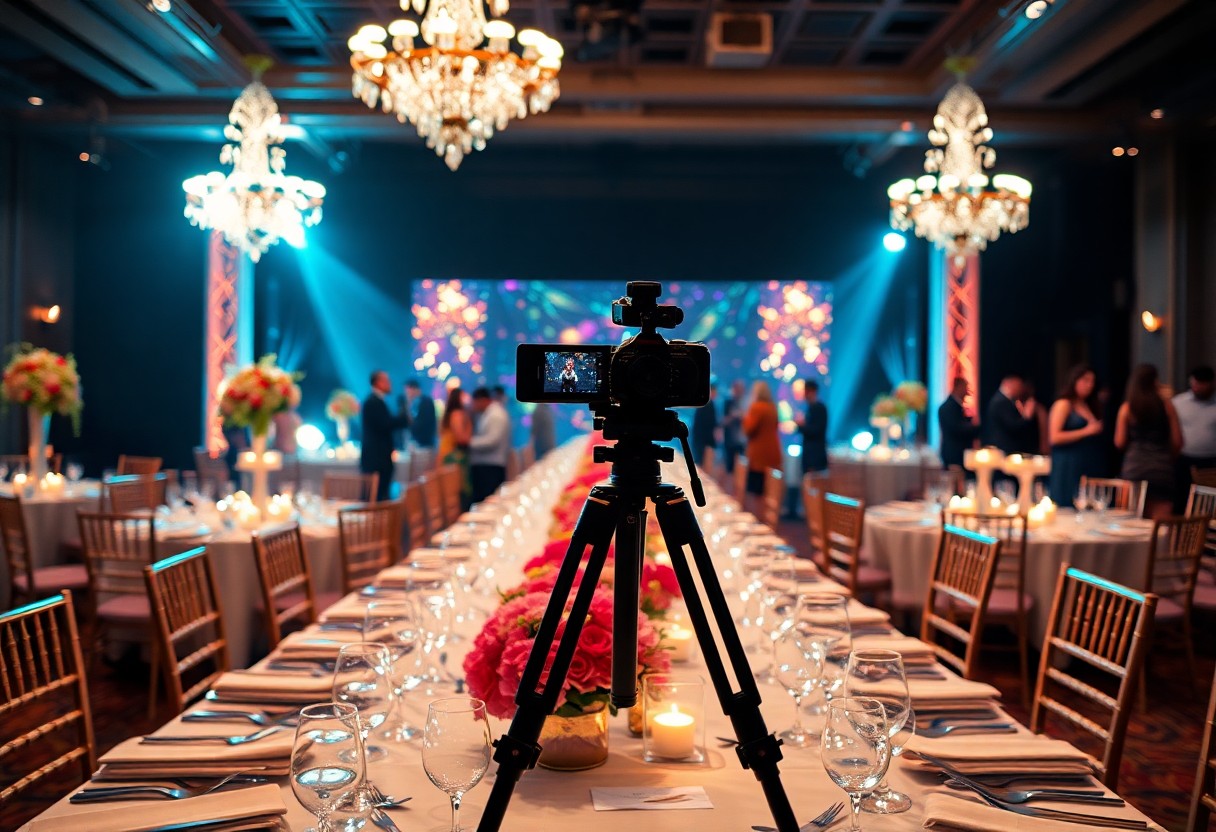
In event videography, timing is everything. The ability to anticipate moments, rather than just react to them, can significantly elevate your footage. Mastering the art of precious timing requires keen observational skills and a great understanding of the event’s dynamics, allowing you to prepare for pivotal shots just before they unfold.
Understanding the Event’s Flow
Your keen awareness of the event’s rhythm greatly influences the effectiveness of your videography. Every event has its unique progression—speeches trigger emotional reactions, activities spur excitement, and performers captivate audiences. By familiarizing yourself with the timeline, energy levels, and transitions, you can position yourself for optimal angles that make these moments resonate in your footage.
Identifying Key Moments to Capture
Every event is bursting with opportunities to capture meaningful moments that tell the story of the day. Your focus should be on identifying significant interactions, emotional displays, and unexpected occurrences that reflect the essence of the gathering. Engaging in pre-event planning, such as discussing the timeline with the host or planner, will help you pinpoint where the magic is likely to happen.
Key moments often present themselves through human connections; a heartfelt embrace, laughter shared between friends, or tears of joy can all be extraordinary highlights. Pay close attention to any shifts in mood or energy that might signal an upcoming highlight, such as the bride’s entrance or a toast that could spark laughter. Utilizing a shot list can guide you in capturing these crucial moments and ensure that nothing of significance slips through the cracks.
Key Takeaways:
- Plan ahead by scouting the venue to identify potential shot locations and unique angles.
- Utilize high-quality equipment; consider investing in stabilization gear for smoother footage.
- Pay attention to lighting conditions, using natural light effectively or portable lights for controlled environments.
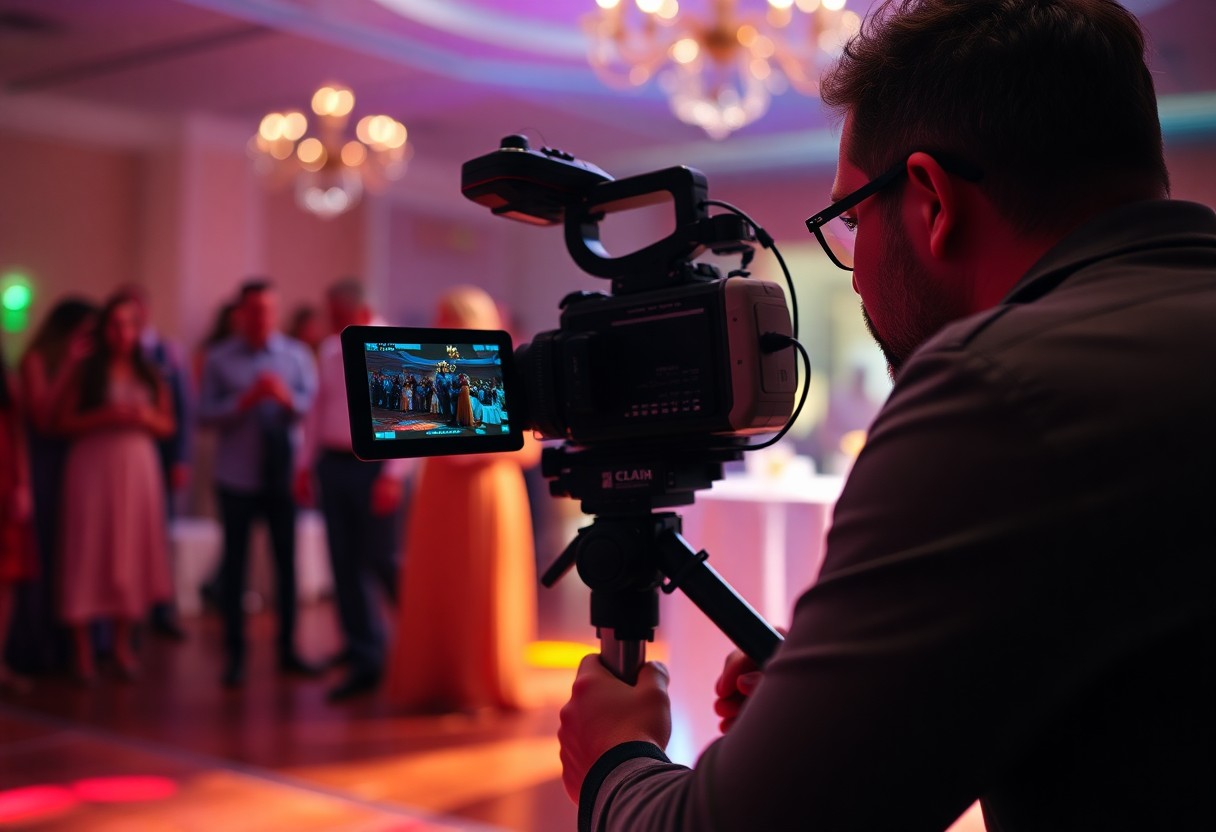
- Capture candid moments by blending in with the crowd, allowing authentic interactions to unfold naturally.
- Incorporate various shot types, such as close-ups, wide angles, and slow-motion, to add depth to your story.
- Engage with participants prior to the event to build rapport, making them more comfortable on camera.
- Edit thoughtfully, focusing on pacing and audio quality to enhance the emotional impact of the final product.
Mastering Your Equipment: Tools of Precision
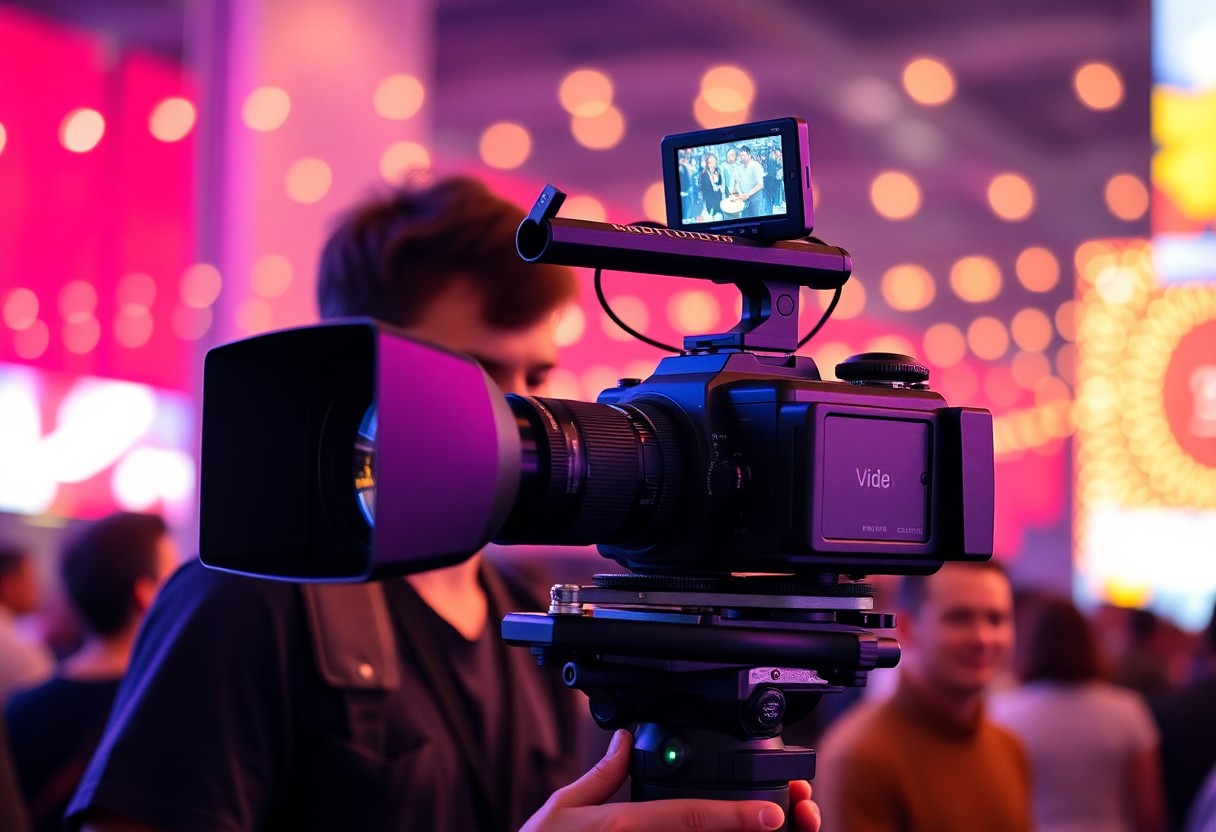
Effective event videography hinges on your equipment’s capabilities. Mastering your gear allows for seamless capturing of those fleeting, enigmatic moments that tell a compelling story. You’ll find that understanding your camera’s functions not only enhances your workflow but also enables you to execute creative shots with precision. Familiarizing yourself with your tools will empower you to adjust settings intuitively and adapt to varying lighting and movement conditions, ultimately elevating the quality of your work.
Essential Gear for Capturing Enigmatic Moments
Your choice of gear can make a significant difference in your ability to capture those spontaneous moments that define an event. A high-quality camera with sufficient low-light performance, such as a full-frame DSLR or mirrorless model, is vital. Equally important are lenses that offer fast apertures, allowing for beautiful depth-of-field effects. Don’t overlook accessories like gimbals or stabilizers, which ensure your shots remain steady, even in dynamic scenarios.
Techniques for Optimal Camera Settings
Achieving the perfect camera settings transforms your videography. Work with a wide aperture (f/2.8 or lower) to enhance the bokeh effect and draw focus to your subjects, especially in bustling environments. Set your ISO strategically; while higher settings may work in low light, they can introduce noise. Experiment with your shutter speed—generally, it should be double your frame rate for natural motion blur, typically set around 1/50th of a second for video shot at 24fps.
Optimizing your camera settings involves a keen understanding of lighting conditions and the desired effect. In brightly lit spaces, balance exposure by adjusting aperture and ISO to avoid overexposure while maintaining depth. Conversely, in dimly-lit settings, ramp up the ISO cautiously to avoid graininess. Utilizing manual focus can also add a level of artistry; practicing this skill during rehearsals allows you to anticipate movements and create seamless transitions, ensuring you capture each moment with the clarity and emotion it deserves.
The Power of Composition: Framing the Unframeable
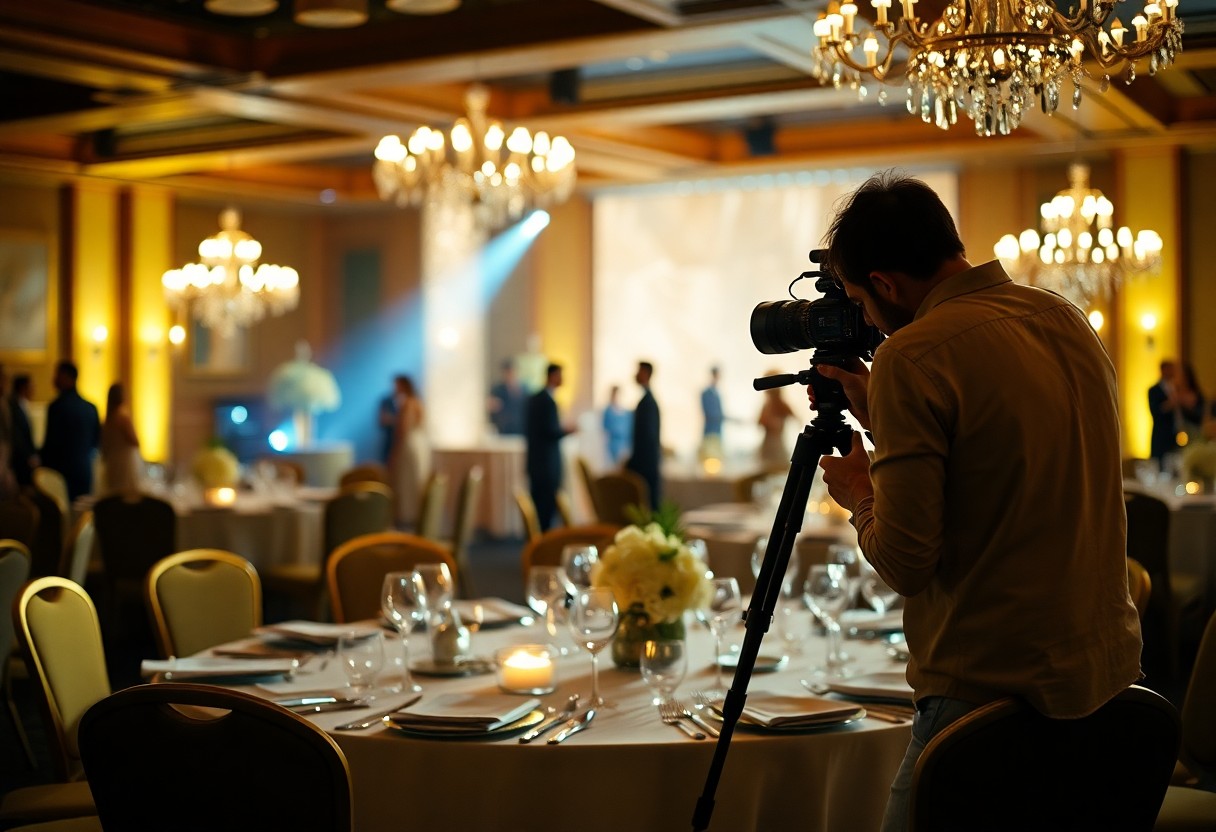
Mastering composition elevates your event videography beyond standard footage; it allows you to create captivating narratives from the fleeting and unplanned. By consciously arranging elements within your frame, you guide your audience’s focus, transforming chaotic moments into artful compositions. Lines, symmetry, and balance in a shot can lead the viewer’s eye, making even the most mundane scenes resonate with significance. Explore negative space, leading lines, and depth to give context and meaning to each frame, ultimately crafting a more engaging story that reflects the atmosphere and emotions of the event.
Utilizing Angles and Perspectives
Angles and perspectives shape your viewer’s experience. By experimenting with low or high angles, you can convey dominance, intimacy, or vulnerability, effectively communicating the mood of the event. Aerial shots can provide an overview, while close-ups reveal emotions that add depth to the narrative. Utilizing different perspectives can help you capture the essence of the event in a unique way that reflects its atmosphere, ensuring a dynamic visual experience for your audience.
Creating Emotional Impact Through Visual Storytelling
Emotion is the heart of storytelling in videography; it’s what resonates with your audience. Utilize strategic transitions between shots and incorporate elements like sound and music to enhance the emotional landscape. By interweaving moments of laughter, joy, or reflection, you create a relatable narrative that allows viewers to connect on a personal level. For instance, panning across smiling faces at a wedding or zooming in on a child’s reaction can evoke powerful sentiments, turning a simple video into a profound recollection.
Incorporating emotional impact often involves bridging visual elements with the underlying sentiment of the event. During a memorable moment, such as a toast at a wedding or a heartfelt speech at a corporate gathering, capture not just the speakers but the reactions of those around them. Use slow-motion effects to highlight poignant moments, or overlay sound bites that encapsulate the essence of the occasion. By layering these visuals and sounds thoughtfully, you transcend traditional videography, allowing viewers to relive the emotions long after the event has ended.
The Subtle Dance of Editing: Crafting the Narrative
Editing transforms raw footage into a compelling narrative, shaping each moment into an impactful story. Your editing choices—cutting frame by frame, selecting which highlights to keep, and integrating voiceovers—define the viewer’s experience and engagement. A carefully curated timeline not only respects the flow of the event but also enhances emotional resonance, ultimately conveying the atmosphere that was felt in the moment.
Techniques for Seamless Transitions and Effects
Achieving seamless transitions is vital for maintaining the narrative flow. Techniques such as crossfades, jump cuts, and motion graphics can create a dynamic viewing experience. Aligning cuts with moments of action, music beats, or significant emotional shifts ensures that the audience remains immersed in the story without abrupt interruptions, leading to a polished final product.
Using Music and Soundscapes to Enhance Emotion
A well-chosen soundtrack has the power to evoke deep emotions and elevate your video’s impact. Dynamic changes in music can mirror shifts in the narrative, while subtle soundscapes enrich the atmosphere of the footage. The right sound pairing can captivate viewers, making them feel more connected to the scenes being depicted.
Choosing music that resonates with the event’s theme adds layers of meaning and enhances the storytelling process. For instance, an upbeat track can amplify the excitement of a dance floor, while a soft, melodic tune might highlight intimate moments of connection during a ceremony. Soundscapes—such as the soft rustle of leaves during an outdoor event or the distant murmur of applause—bring the footage to life. By balancing these elements, you weave an auditory tapestry that not only supports your visuals but also deepens the emotional impact, encouraging viewers to reflect on the experience long after the video ends.
Enhancing Your Skills: Continuous Learning and Growth
Event videography is a field that constantly evolves, making your commitment to continuous learning important. Participating in workshops, online courses, or local Meetup groups tailored for videographers can keep your skills sharp and introduce you to new techniques and technologies. Engaging with experts in the industry through webinars or podcasts can provide you with invaluable insights and fresh perspectives, allowing you to refine your craft and push the boundaries of your creative expression.
Analyzing Your Work for Improvement
Analyzing your past projects offers significant opportunities for growth. Review your footage critically, identifying strengths and weaknesses in both your shooting and editing techniques. Using specific metrics, such as audience engagement or feedback, can help you understand what resonated with viewers. Tools like editing software can also provide analytics that reveal how different shots or sequences performed, enabling you to make informed adjustments in future projects.
Seeking Inspiration and Collaboration in the Videography Community
The videography community is rich with opportunities for inspiration and collaboration. Engaging with fellow creators not only exposes you to diverse styles and techniques but also sparks new ideas. Whether you join an online forum, attend local meetups, or participate in collaborative projects, exchanging ideas can lead to innovative approaches in your work and potentially even result in partnerships that enhance your portfolio. Partnering with photographers, musicians, or event planners can create unique projects that push your boundaries and create compelling narratives.
Joining forces with others in the videography community offers significant benefits, as collaboration often leads to unique opportunities and efficient skill-sharing. For instance, participating in group shoots allows you to experience how others tackle similar challenges, making you more adaptable in your work. Connecting with professionals from related fields, such as art or music, provides fresh perspectives that can enrich your storytelling capabilities. Social media platforms like Instagram and Facebook can serve as great starting points for discovering local talent, leading to cooperative projects that elevate both your skills and your portfolio.
FAQ
Q: What equipment should I use for capturing enigmatic moments in event videography?
A: To capture enigmatic moments effectively, it’s important to use high-quality equipment. A reliable camera with good low-light performance is important, as events often have varying lighting conditions. Consider using a gimbal or stabilizer for smooth footage, along with a good microphone for capturing clear audio. Lenses that offer a wide aperture and fast autofocus can also help in achieving professional results.
Q: How can I prepare for an event to ensure I capture the best moments?
A: Preparation involves several key steps. Start by researching the event location and layout. Discuss the event timeline with the organizers to identify important moments. Create a shot list based on these discussions, highlighting any specific shots you want to capture. Arrive early to set up and get a feel for the atmosphere, which will help you anticipate key moments as they unfold.
Q: What techniques can I use to capture dynamic moments during an event?
A: To capture dynamic moments, employ a variety of shooting techniques. Use different angles and perspectives to create visual interest, such as capturing wide shots of the crowd and close-ups of emotional reactions. Don’t hesitate to use slow motion during impactful moments to emphasize emotions. Additionally, practice active listening; being aware of sounds can help you anticipate moments that you might want to capture on video.
Q: How can I enhance the storytelling aspect of my event videography?
A: Enhancing storytelling can be achieved by focusing on the narrative arc of the event. Incorporate B-roll footage that illustrates the event environment, participants, and interactions. Use interviews or testimonials from attendees to provide personal insights into the experience. Editing techniques, such as pacing and the incorporation of music, can also enhance the emotional impact, making the final edit more compelling and reflective of the event’s atmosphere.
Q: What are some common mistakes to avoid when capturing events on video?
A: Common mistakes include not checking your equipment before the event, which could lead to technical issues, and failing to adapt to changing circumstances, such as lighting or crowd movement. Avoid being too focused on the action and neglecting to capture the atmosphere and emotions of the event. Lastly, don’t overlook the importance of good audio quality; ensure you monitor sound levels throughout.

Leave a Reply
You must be logged in to post a comment.