
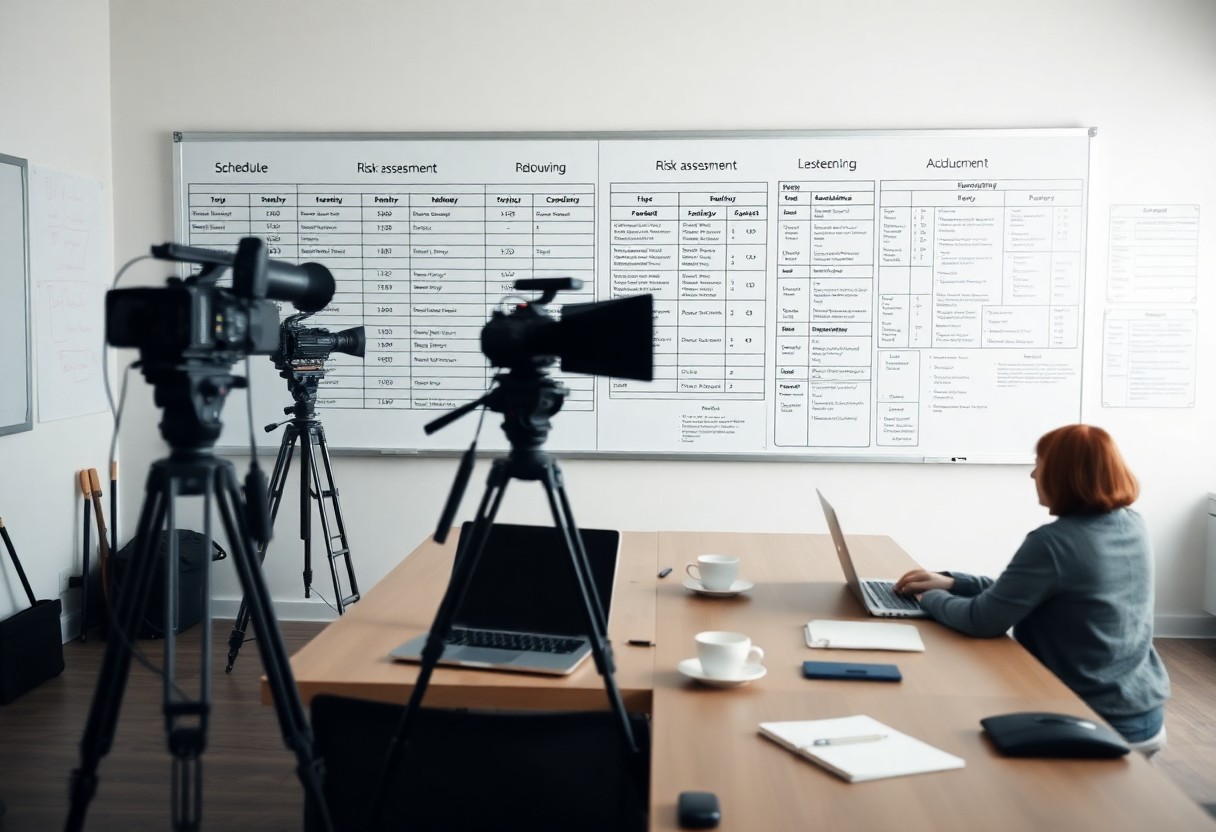
With effective pre-production planning, you can significantly enhance the outcome of your event videography projects. Your ability to outline key objectives, identify potential challenges, and ensure all logistics are in place will save you time and headaches on the event day. By investing time into thorough preparation, you set the stage for a smoother shooting process and ultimately a more polished final product. Understanding the value of this initial phase will not only improve your workflow but also elevate the overall quality of your videography work.
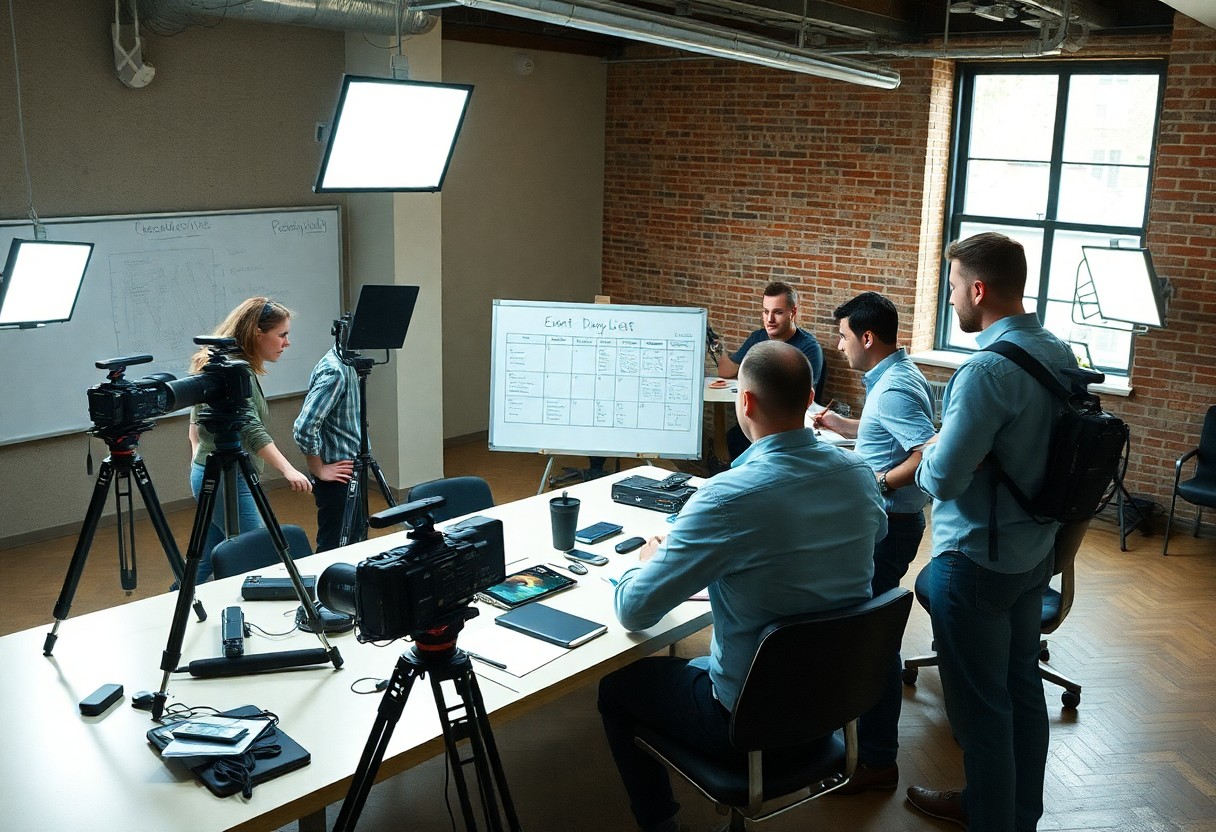
Key Takeaways:
- Effective pre-production planning sets a clear vision and direction for the event videography project.
- Thorough scouting of locations aids in identifying optimal filming spots and mitigating potential challenges.
- Detailed storyboarding helps in organizing scenes and ensures all necessary shots are captured efficiently.
- Establishing a comprehensive timeline allows for smooth coordination of filming, ensuring no critical moments are missed.
- Communicating with event organizers ensures alignment on expectations, style, and key moments to highlight in the final video.
- Assembling the right crew and equipment prior to the event enhances the overall quality of the production.
- Conducting technical rehearsals alleviates potential issues, ensuring all equipment functions properly on the day of filming.
The Role of Pre-Production in Event Videography Success
Pre-production serves as the backbone of event videography, shaping the entire project from start to finish. Each decision made in this phase informs the visual storytelling, ensures seamless execution, and directly impacts the quality of the final product. By aligning your vision with the logistical details, you pave the way for a successful shoot that resonates with your audience and meets client expectations.
Defining Pre-Production: What Does It Entail?
Pre-production comprises all planning activities prior to the actual filming, including script development, location scouting, scheduling, budgeting, and equipment preparation. This stage allows you to coordinate logistics, gather resources, and prepare your crew, ensuring everyone understands their roles and responsibilities. Comprehensive pre-production sets the foundation for a smooth filming experience and ultimately enhances the quality of your work.
How Pre-Production Sets the Stage for High-Quality Content
Effective pre-production strategies focus on the finer details that elevate your content. By mapping out scenes, story arcs, and key shots, you can establish a clear narrative that enhances viewer engagement. Collaboration with your team during this phase fosters creativity and innovation, allowing for brainstorming sessions that lead to unique perspectives and approaches. Thorough preparation reduces stress on the event day, enabling you to optimize shooting time and adapt to unforeseen circumstances without sacrificing quality.
High-quality content emerges when meticulous planning meets creative execution. By drafting shot lists or storyboards in pre-production, you not only streamline the filming process but also capture significant moments more efficiently. Partnering with venues and understanding acoustics can lead to enhanced sound quality, while preparing backup plans ensures you are equipped to handle any unexpected setbacks, like inclement weather. As a result, the final video showcases a polished and professional narrative that reflects the event’s essence and purpose.
Crafting a Comprehensive Production Plan
Developing a production plan involves outlining every aspect of the project, from pre-event preparation to post-event follow-up. This plan serves as your roadmap, detailing the schedule, location logistics, and key shots to capture. With a thorough production plan, you eliminate uncertainties, ensuring that each team member understands their role, deadlines, and expectations for the event. This level of organization paves the way for a smooth execution and a more polished final product.
Identifying Key Objectives and Goals
Establish clear objectives and goals for your video project to align every decision with the desired outcomes. Are you looking to capture the spirit of the event, highlight specific speakers, or showcase audience engagement? By pinpointing what you wish to achieve, you set your video in a directed path and create a framework that guides your creative choices, ensuring that the final product resonates with your audience.
Assembling the Right Team and Equipment
Your team’s expertise and the equipment you utilize will directly impact the quality of your footage. Evaluating the right mix of professionals—including a director, videographers, editors, and even sound technicians—ensures that every angle is covered and that your production runs smoothly. Choosing high-quality cameras, mics, and lighting tools is equally vital; they should match the event’s scale and your desired output. For larger events, consider bringing in drone operators to capture aerial views or steady-cam operators for more dynamic shots, making your footage visually striking.
Finding the right mix of individuals for your event videography can be a game changer. When choosing team members, look for those who not only possess the technical skills required but also have experience in similar events. A director with a strong vision can guide your team effectively, while an editor with a keen eye for storytelling can weave your footage into a compelling narrative. Additionally, invest in professional-grade equipment; for example, using 4K cameras and wireless microphones ensures that not only is the audio crystal clear but the visuals also stand out. Doing so creates a polished and professional representation of your event that captures attention long after the last frame is cut.
The Art of Storyboarding: Visualizing the Narrative
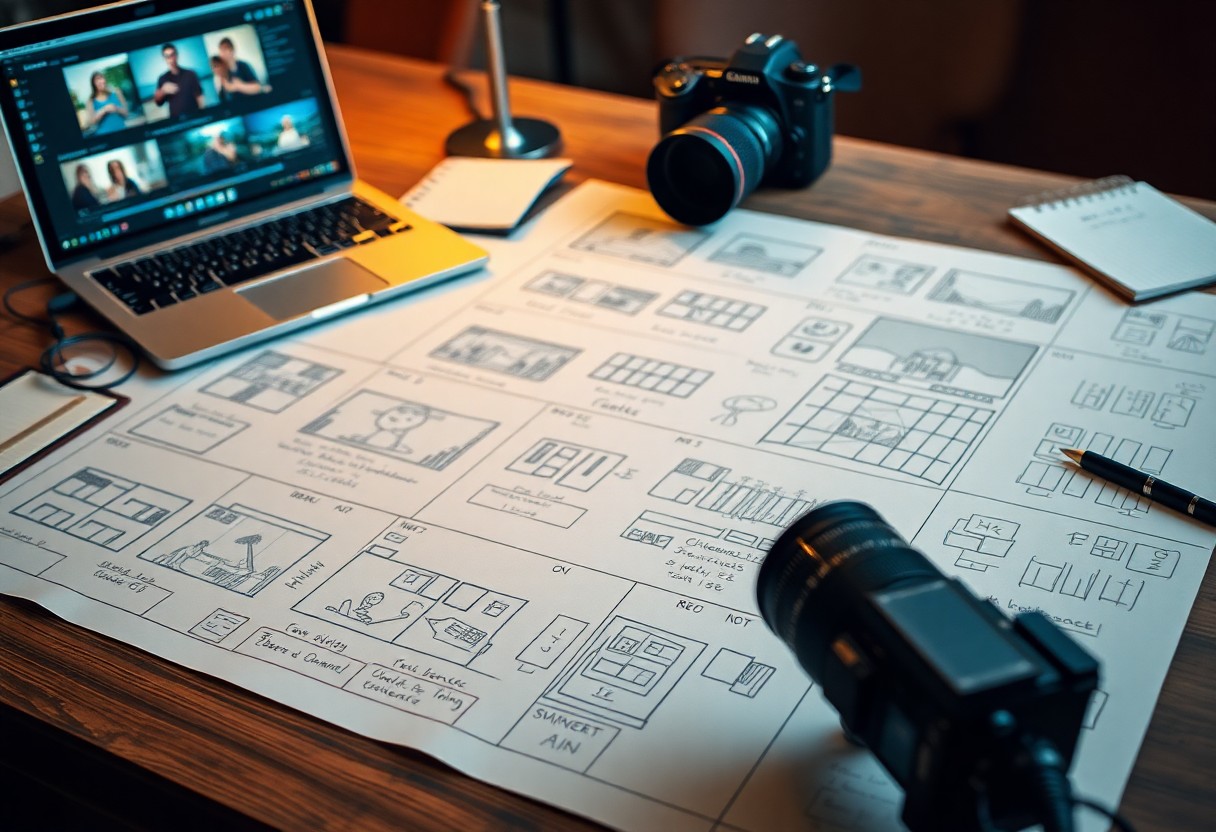
Storyboarding serves as the backbone of your event videography project, giving you a clear visual representation of how the narrative unfolds. This process allows you to map out each scene, ensuring that every important moment is captured effectively. By visualizing the flow of the event beforehand, you can identify important shots and transitions that enhance your storytelling and eliminate guesswork during filming.
Importance of a Clear Visual Plan
A well-defined visual plan streamlines your workflows, minimizes the risk of missing critical moments, and enhances your ability to communicate your vision with clients and collaborators. You avoid chaotic last-minute decisions by laying out the sequence of shots in advance. Additionally, a clear plan can even assist with managing your crew and equipment on-site, allowing everyone to function efficiently.
Techniques for Effective Storyboarding
To create an effective storyboard, utilize techniques such as sketching scenes, employing mood boards for visual inspiration, and integrating shot lists that detail camera angles and framing. Templates can speed up this process, or you might opt for dedicated software tools that allow for easy revisions and collaboration. Combining these methods enables you to fleshes out your vision and ensures all necessary shots are accounted for before the big day.
Start by sketching out the key moments of your event based on the agenda or timeline. Think about different angles and perspectives you want to capture; even rough sketches can be beneficial. Incorporate color-coding to represent various segments, helping you visualize the pacing and mood throughout the event. Utilizing digital tools like Storyboard That or Canva can offer flexibility, allowing you to easily modify your storyboard as new ideas emerge. This entire process serves to solidify your creative direction and enhances collaboration with your team, paving the way for a smoother filming experience.
Anticipating Challenges: Risk Management Strategies
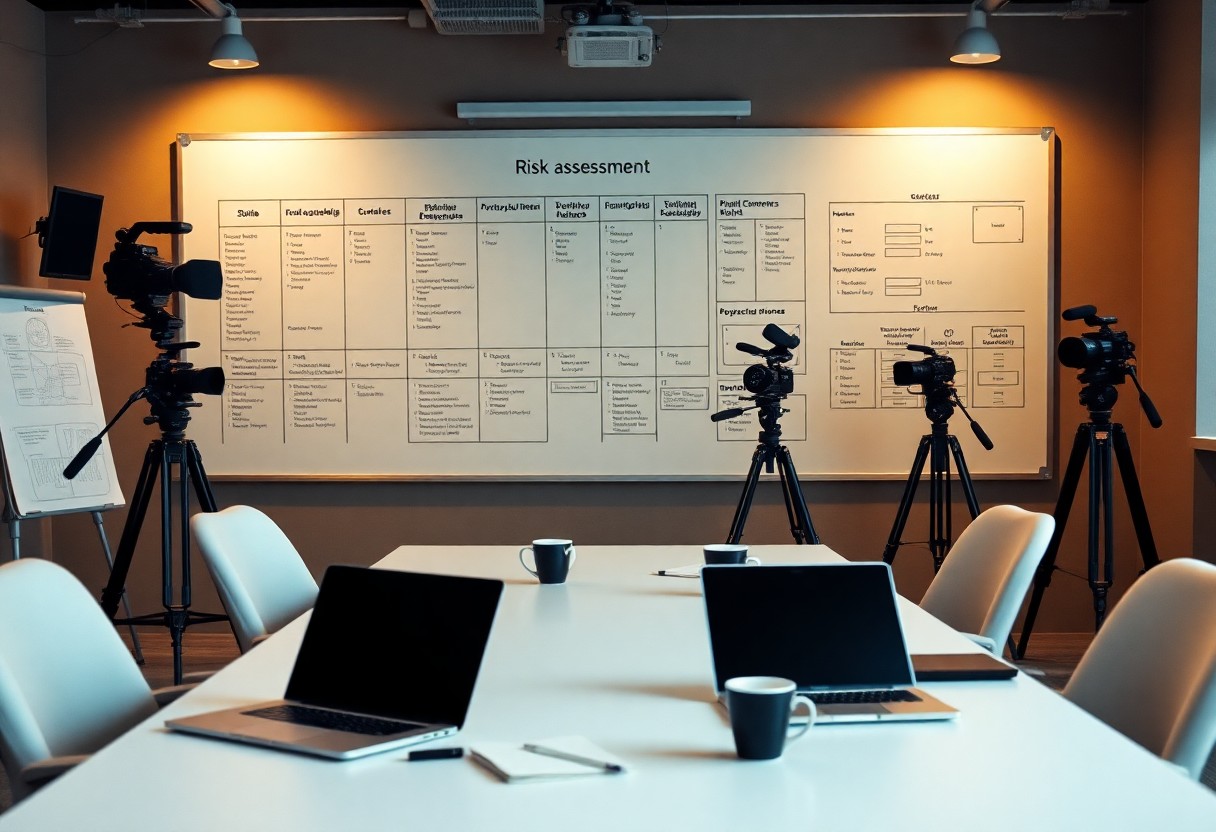
Proactive risk management is a cornerstone of successful event videography. By anticipating potential challenges, you can minimize disruptions and ensure a smooth production process. Analyzing risks allows you to identify areas that could hinder your project, enabling you to develop strategies that safeguard your workflow and ultimately protect your investment.
Common Challenges in Event Videography
Event videography often presents a range of challenges, such as unpredictable weather, equipment malfunctions, or last-minute schedule changes. These factors can significantly disrupt your plans, potentially jeopardizing the quality of your video content. Additionally, navigating large crowds and varying lighting conditions can create complications that may require quick thinking and adaptability.
Developing Contingency Plans
Create contingency plans that address the specific challenges inherent in your event. Consider scenarios like inclement weather or technical difficulties, and brainstorm solutions in advance. For example, you might secure backup equipment or develop alternate shooting locations.
Establishing thorough contingency plans is pivotal in sustaining your project’s momentum in the face of unexpected obstacles. For instance, if you’re filming an outdoor event, having an alternate venue ready and accessible in case of rain can save precious time and resources. Additionally, maintaining spare batteries, backup cameras, and even a list of reliable local vendors ensures you’re prepared for tech failures or equipment issues. By outlining these contingency measures, you can minimize stress and maintain high production standards throughout the event, ultimately leading to a more polished final product.
Engaging Stakeholders: Communication and Coordination
Effective communication and coordination with all stakeholders are vital components of pre-production for successful event videography. Keeping everyone informed fosters collaboration and enhances the overall project direction. You need to establish regular touchpoints with your team and stakeholders, ensuring progress is transparent and collective goals are understood. This minimizes unexpected surprises and maximizes efficiency during production.
Aligning with Clients and Collaborators
Understanding your client’s vision and expectations is paramount. You should conduct thorough consultations to clarify objectives, key messages, and desired outcomes. Address their preferences regarding style, tone, and any must-have elements that need to be captured. This alignment will guide your creative decisions, ensuring that the final product resonates with both the client and the intended audience.
Ensuring Everyone is on the Same Page
Scheduling regular meetings or updates can help ensure that all parties remain aligned throughout the production process. Using shared project management tools like Trello or Asana allows you to track progress and share assets seamlessly. These platforms enable instant feedback and adjustments, decreasing the likelihood of miscommunication. Highlighting critical deadlines and responsibilities keeps everyone accountable, reducing the risk of chaos on shoot day.
Involving everyone early in discussions allows stakeholders to voice their concerns or suggestions before the production starts, which can lead to a more streamlined process. Assign clearly defined roles for each contributor to avoid confusion on set, ensuring that tasks, such as equipment handling or timing cues, are understood. Additionally, sharing a master timeline with everyone provides a clear view of the workflow, allowing all parties to synchronize their efforts effectively, leading to a cohesive and successful outcome.
Final Words
On the whole, diligent pre-production sets the foundation for your event videography success. By meticulously planning each aspect, from location scouting to shot lists, you empower yourself to anticipate challenges and capture the essence of your event seamlessly. This investment in preparation not only boosts your confidence but also enhances the overall quality of your final product. When you dedicate time to pre-production, you ensure that your vision comes to life, ultimately leaving a lasting impact on your audience.
FAQ
Q: What is pre-production in event videography?
A: Pre-production in event videography refers to the planning and preparation phase that occurs before the actual video shoot. This involves identifying the goals of the video, creating a storyboard, scouting locations, determining necessary equipment, and coordinating logistics such as schedules and personnel. Effective pre-production ensures that all elements are in place for a smooth and successful filming process.
Q: How does detailed planning affect the final video quality?
A: Detailed planning significantly enhances the final video quality by providing a clear vision of what needs to be captured. A thorough pre-production process allows videographers to anticipate challenges, set a narrative structure, and design engaging visuals. This attention to detail helps to avoid repetitive takes, wasted resources, and ultimately leads to a more polished and professional final product.
Q: What are the benefits of having a shot list or storyboard during pre-production?
A: Having a shot list or storyboard serves as a roadmap for the videography process. It helps ensure that all imperative moments and angles are captured, reduces the chances of missing vital footage, and keeps the team organized during the event. Additionally, a clear visual guide enables effective communication among team members, allowing everyone to stay aligned on the creative vision.
Q: Why is it important to scout locations before an event?
A: Scouting locations ahead of time is important because it allows videographers to assess the space for lighting, acoustics, and overall suitability for filming. This evaluation can reveal potential challenges, such as difficult lighting conditions or unwelcome background noise. By knowing the venue in advance, filmmakers can plan for solutions, enhancing the production’s efficiency and effectiveness.
Q: How does pre-production help in managing time and budget during the video shoot?
A: Effective pre-production assists in time and budget management by establishing a well-structured timeline and identifying necessary resources in advance. When videographers have set schedules and a clear understanding of their needs, they can better allocate their budget and minimize last-minute expenses. This organized approach allows for a more efficient shoot, which helps maximize the value of every dollar spent while maintaining high-quality outcomes.



Leave a Reply
You must be logged in to post a comment.