
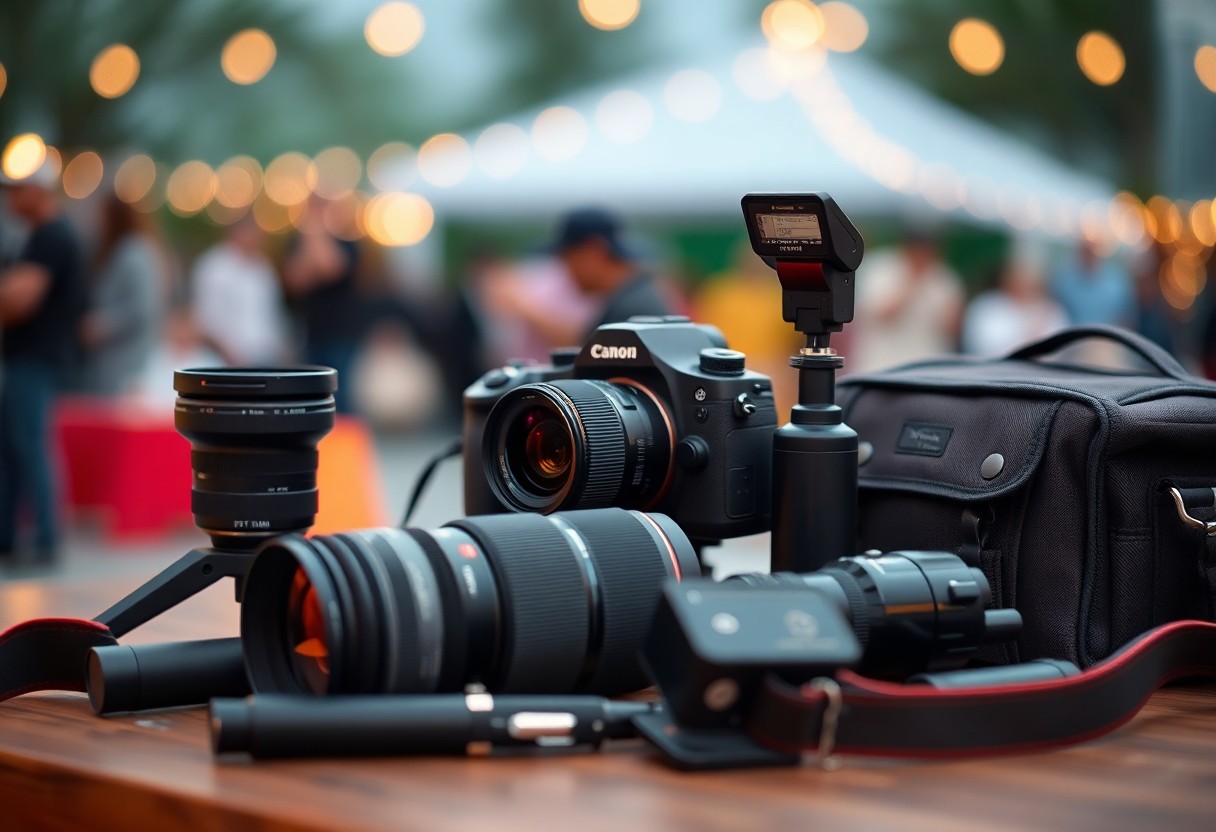
With the right equipment, you can elevate your event photography to new heights, ensuring you capture stunning moments that your clients will cherish. Whether you’re just starting out or looking to upgrade your gear, understanding the imperative tools for your craft is key. In this blog post, we’ll explore the top five must-have pieces of equipment that every event photographer should consider adding to their arsenal. Equipped with these imperatives, you’ll be ready to tackle any event with confidence and creativity.
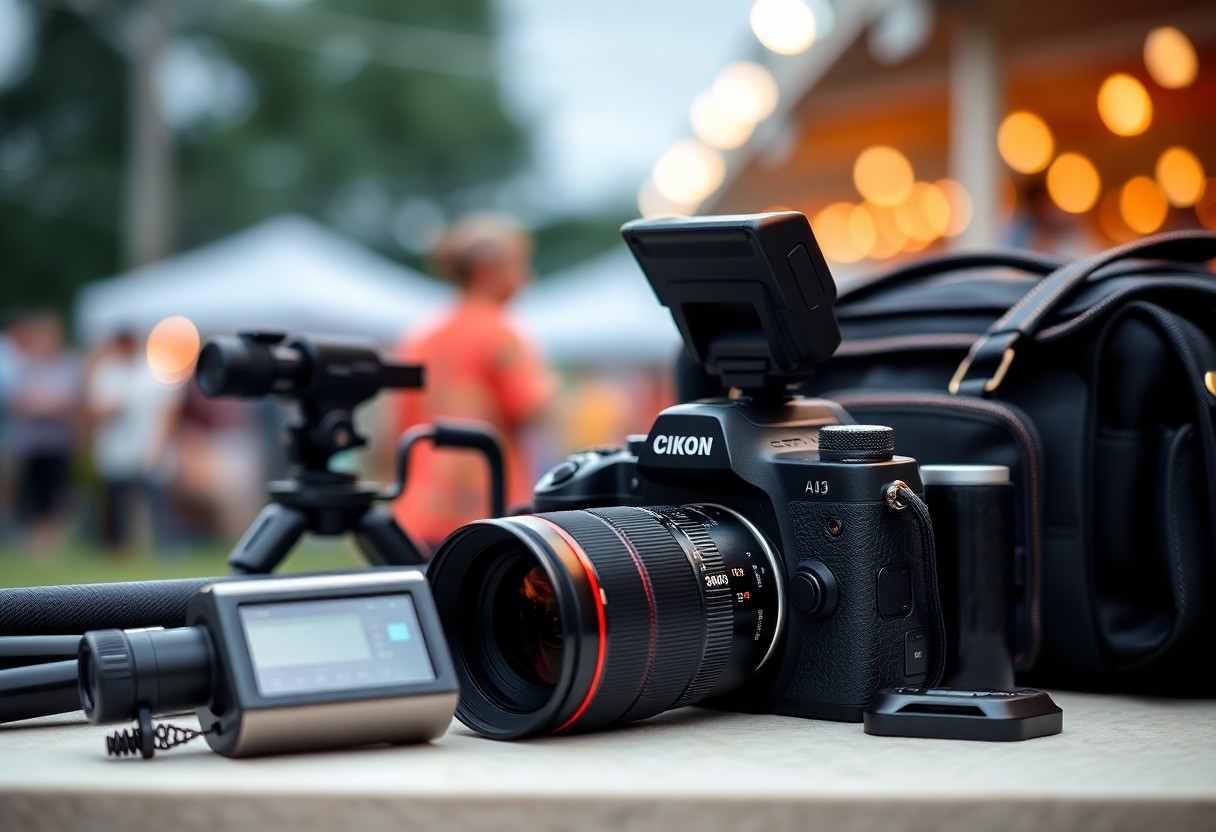
Essential Camera Gear That Elevates Your Shots
Your camera gear is the backbone of any event photographer’s toolkit, playing a significant role in capturing stunning imagery. Ensuring you have the right equipment can transform ordinary moments into extraordinary memories. By investing in versatile and specialized gear, you can meet the unique challenges posed by various events and settings, allowing your creativity to shine through every shot.
The Importance of a Versatile DSLR or Mirrorless Camera
A versatile DSLR or mirrorless camera is your foundation in event photography, allowing you to adapt to different lighting conditions and subjects. Opting for a model with a fast autofocus system and excellent low-light performance ensures you won’t miss important moments. Features like interchangeable lenses and burst shooting modes further enhance your flexibility, allowing you to easily switch styles and settings depending on the demands of each event.
Lenses You Can’t Live Without: Focal Lengths and Specialties
Investing in a selection of lenses tailored to your photographic needs is important. A prime lens with a wide aperture is great for portraits, offering beautiful bokeh, while a versatile zoom lens helps you capture various subjects without switching. Specialty lenses, like a macro for detailed close-ups or a fisheye for unique perspectives, can set your work apart, allowing you to tell a complete story through diverse imagery.
Your choice of lenses significantly impacts the quality and style of your shots. A 24-70mm lens is often termed the “workhorse” for its adaptability, capturing everything from wide group shots to intimate portraits. A fast 50mm or 85mm lens is ideal for isolating subjects against beautiful backgrounds, thanks to their wide apertures. For those looking to add dynamics, consider a 70-200mm telephoto lens, perfect for candid shots from a distance or capturing quick moments without disruption. In event photography, having these focal lengths at your disposal allows you to handle any scenario with ease and artistry.
Lighting Techniques: Harnessing the Power of Artificial Light
Mastering lighting techniques can significantly elevate your event photography. Utilizing both natural and artificial light sources enables you to capture dynamic and compelling images. Artificial lighting, such as flashes and continuous lights, can fill in shadows or create dramatic effects, ensuring that your subjects are well-lit regardless of the setting. Implementing these techniques will give you more control over the mood, ambiance, and overall look of your photographs, transforming ordinary moments into stunning visuals.
Essential On-Camera Flash vs. Off-Camera Lighting
Your on-camera flash can be a lifesaver in poorly lit venues, but exploring off-camera lighting takes your creativity up a notch. Off-camera lighting allows for flexibility, helping you shape and direct light where you want it most. This freedom opens up various styles of lighting, such as side-lighting for texture or backlighting for a halo effect around your subjects. Knowing when to use each type makes a significant difference in the final product.
Softboxes and Reflectors: Modifying Natural Light
Softboxes and reflectors modify natural light to create a softer, more flattering illumination. Softboxes diffuse the light from your flash, mimicking the gentle glow of natural sunlight, while reflectors bounce light back onto your subjects, reducing harsh shadows. With these tools, you can soften the overall appearance of your images, making skin tones look natural and highlights less pronounced, which is particularly important in event photography.
Incorporating softboxes and reflectors into your gear can transform your shooting experience. For instance, a collapsible reflector can easily be transported and set up on location, allowing you to take advantage of available light during an outdoor event. A softbox not only helps in creating flattering portraits but also controls harsh artificial light, giving more control over your shooting environment. Utilizing these tools enhances consistency across various lighting conditions, ensuring professional-quality results every time you click the shutter.
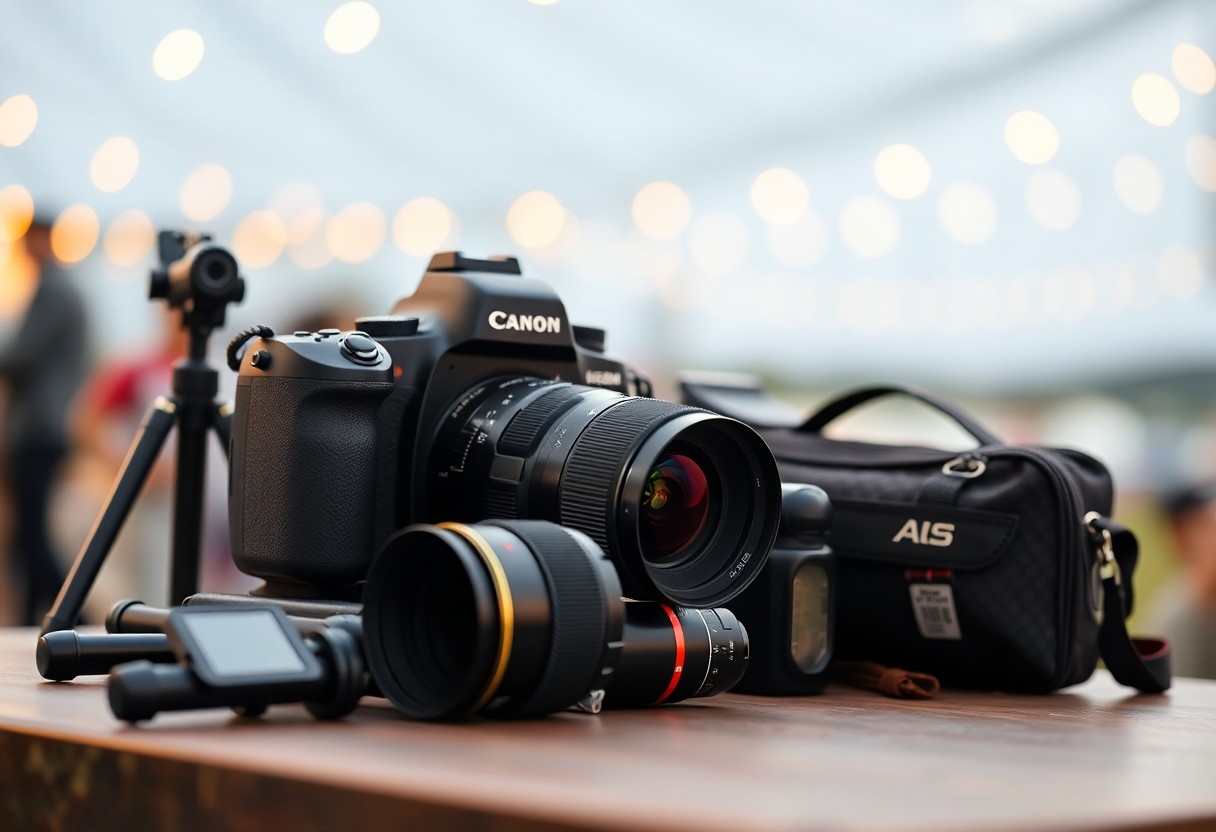
The Backbone of Your Setup: Tripods and Stabilizers
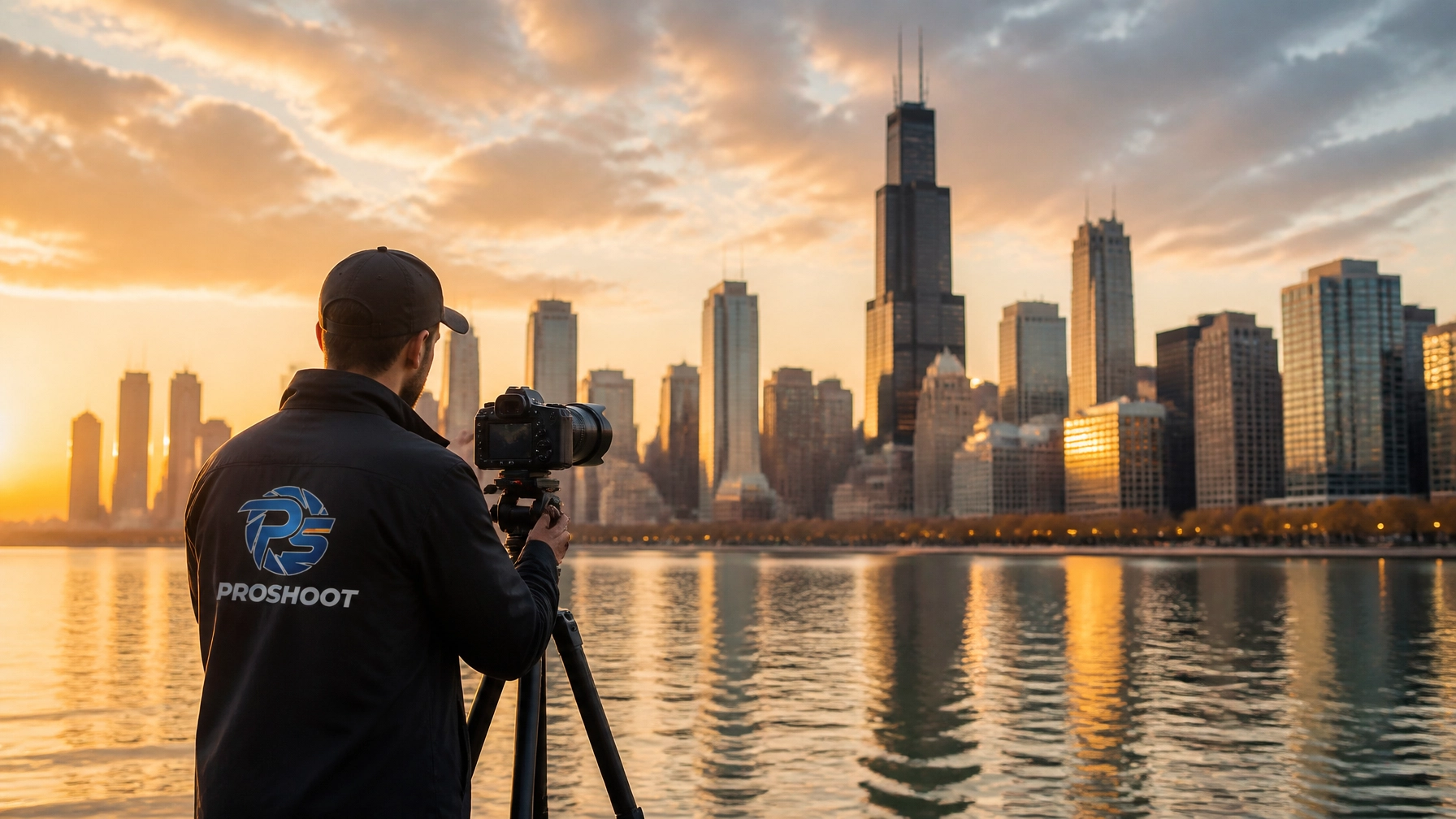
Every event photographer can benefit from using tripods and stabilizers, which provide necessary support for capturing sharp images, especially in challenging lighting conditions. When you need that extra stability, a tripod allows you to shoot at slower shutter speeds without introducing motion blur. Similarly, stabilizers offer smooth video capture, particularly when you’re moving through bustling environments or following energetic subjects, ensuring that your footage remains professional and polished.
Choosing the Right Tripod for Different Event Types
Selecting the appropriate tripod involves understanding the various demands of different events. For wide-angle shots at outdoor weddings, a lightweight carbon fiber tripod can enhance portability while providing stability. In contrast, a heavier tripod with a ball head might be ideal for indoor corporate events where you require a solid base in controlled settings. Consider the following:
- Outdoor events: Lightweight and portable
- Indoor ceremonies: Heavier, sturdy structure
- Low-light situations: Tripod with adjustable height
- Sporting events: Fast set-up and quick adjustments
- Photography style: Monopod for quick movement
Assume that your choice of tripod aligns with your shooting style and the specific challenges of the event you’re attending.
Gimbals and Stabilizers: Capturing Movement with Precision
Gimbals and stabilizers play a pivotal role in achieving fluid, cinematic shots while on the move. Whether you’re capturing dance performances or dynamic interactions at events, these tools help eliminate shake, enabling you to follow action seamlessly. With options readily available for both DSLRs and mirrorless camera systems, investing in a quality gimbal opens up endless creative opportunities for storytelling.
It’s worth noting that gimbals utilize advanced stabilization technology, which often includes motors and sensors that actively correct for unwanted movements. Features like adjustable damping settings allow you to customize the gimbal’s response to your shooting style. You can achieve smooth pans and tilts that elevate your event videos significantly. With some models capable of supporting payloads upwards of 10 pounds, they can handle various camera setups, offering versatility that many photographers appreciate in fast-paced environments.
Storage Solutions: Safeguarding Your Valuable Images
Storing your images properly ensures that your hard work doesn’t vanish into thin air. Event photographers rely on robust storage solutions to safeguard their valuable captures. Having a well-organized system in place is vital for maintaining the integrity of both your current and future projects. From memory cards to backup strategies, making smart choices in storage can streamline your workflow and provide peace of mind during and after events.
Memory Cards: Speed and Capacity Considerations
Selecting the right memory cards impacts not only how many photos you can take but also how quickly you can offload them. High-capacity cards, such as those with 64GB or more, cater to long events or settings where you shoot in high-resolution formats like RAW. Opt for cards with UHS-I or UHS-II ratings to ensure your burst mode captures are fast and reliable, preventing any missed moments due to slow writes.
Backup Strategies: External Drives vs. Cloud Solutions
Your images deserve a backup system that suits your workflow. External hard drives provide immediate access to your files and often support large capacities at a lower cost compared to cloud services. However, cloud solutions offer automatic backups and accessibility from any device with an internet connection. Combining both methods can create an efficient dual-layered system, giving you both the security of physical storage and the convenience of cloud access.
Choosing between external drives and cloud solutions involves weighing factors like accessibility, cost, and security. External drives can be an economical option for large volumes of data, especially with SSDs becoming more affordable. On the other hand, cloud storage protects against physical loss or damage, allowing you to recover files from any location. Many professionals find that an optimal strategy is to use external drives for primary storage and keep a secondary cloud backup to provide redundancy and peace of mind during hectic event days.
Behind the Scenes: Must-Have Accessories for Smooth Operations
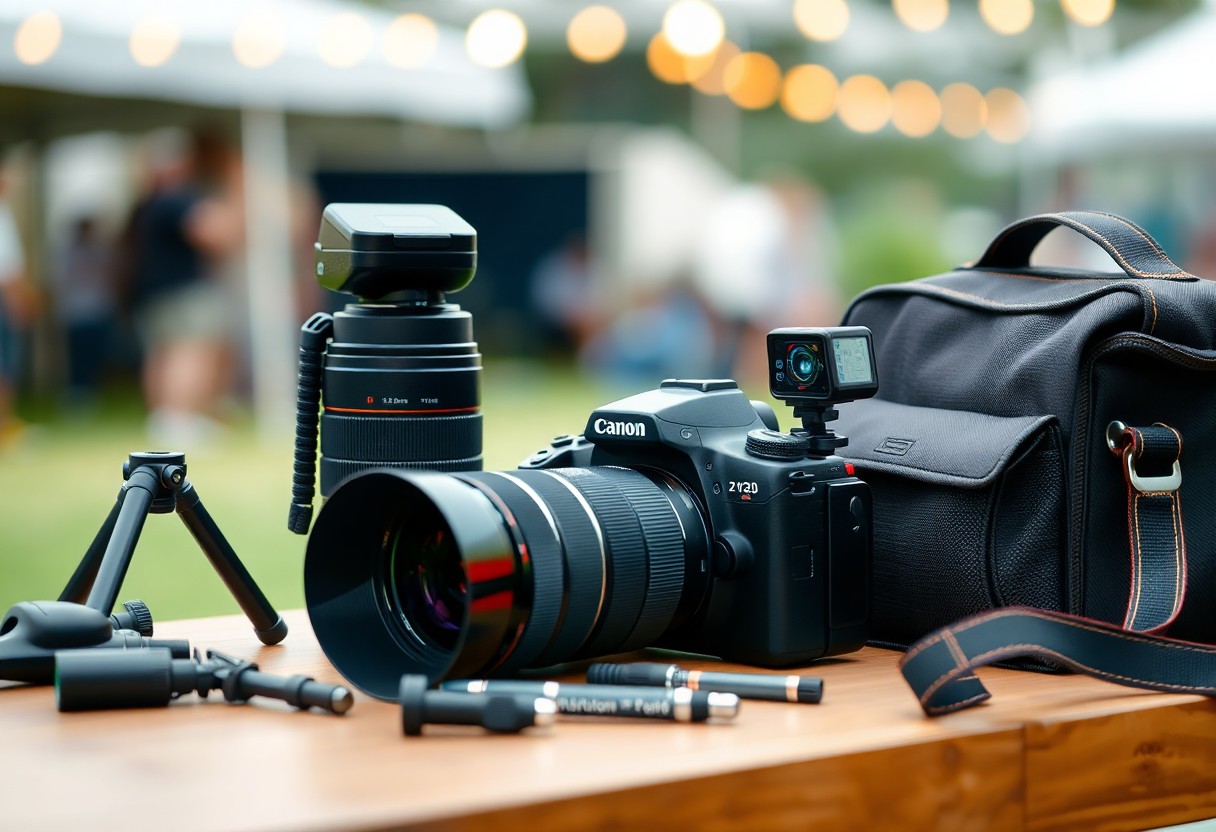
Your effectiveness as an event photographer extends far beyond just your camera and lenses; behind-the-scenes accessories play a vital role in ensuring a seamless shooting experience. Having the right equipment at your disposal not only enhances your workflow but also allows you to focus on capturing those unforgettable moments without interruptions. Before stepping into your next event, consider these important accessories that make your work efficient and trouble-free.
The Importance of Good Quality Batteries and Chargers
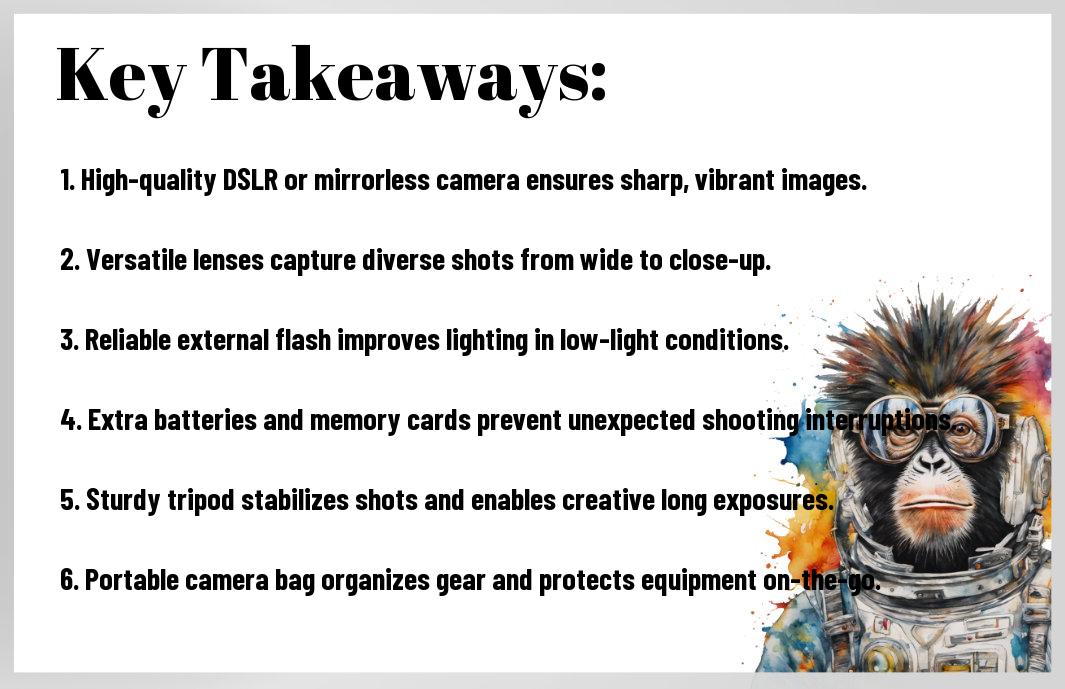
Having reliable batteries and chargers is non-negotiable for any event photographer. High-capacity batteries ensure your camera operates throughout longer events, while smart chargers cut down charging time, so you can stay focused on your shoot. Take it a step further by investing in spare batteries; the last thing you want is to miss a key moment due to running out of power. Regularly check battery health as well to avoid unexpected surprises during peak action.
Additional Accessories: Lens Cleaning Kits and Camera Straps
Lens cleaning kits and quality camera straps may seem like small details, but they significantly impact your day-to-day operations. A lens cleaning kit will keep your gear free from dust and smudges, ensuring your images remain crisp and clear. Opt for a durable camera strap that balances comfort and stability; this will make a difference, especially during extended shoots. Protective straps also provide peace of mind as they reduce the risk of accidental drops in hectic environments.
Focusing on cleaning your lenses not only optimizes image quality but can prevent costly repairs from dirt and scratches. A comprehensive lens cleaning kit typically includes microfiber cloths, cleaning solution, and a blower to remove stubborn particles. As for your camera strap, look for options with padding that can absorb weight and relieve pressure on your neck or shoulder; this is particularly beneficial during long events where every ounce of comfort counts. By prioritizing these accessories, you enhance your efficiency and comfort as an event photographer.
To wrap up
The right equipment can make a significant difference in your event photography. By investing in high-quality cameras, versatile lenses, reliable lighting, sturdy tripods, and effective backup storage, you equip yourself to handle any occasion. With these vitals, you can enhance your creativity, ensure sharp images, and safeguard your work. Prioritizing these five must-have items will not only prepare you for various scenarios but also elevate your overall photography experience, allowing you to capture stunning moments that clients will cherish.


Leave a Reply
You must be logged in to post a comment.