
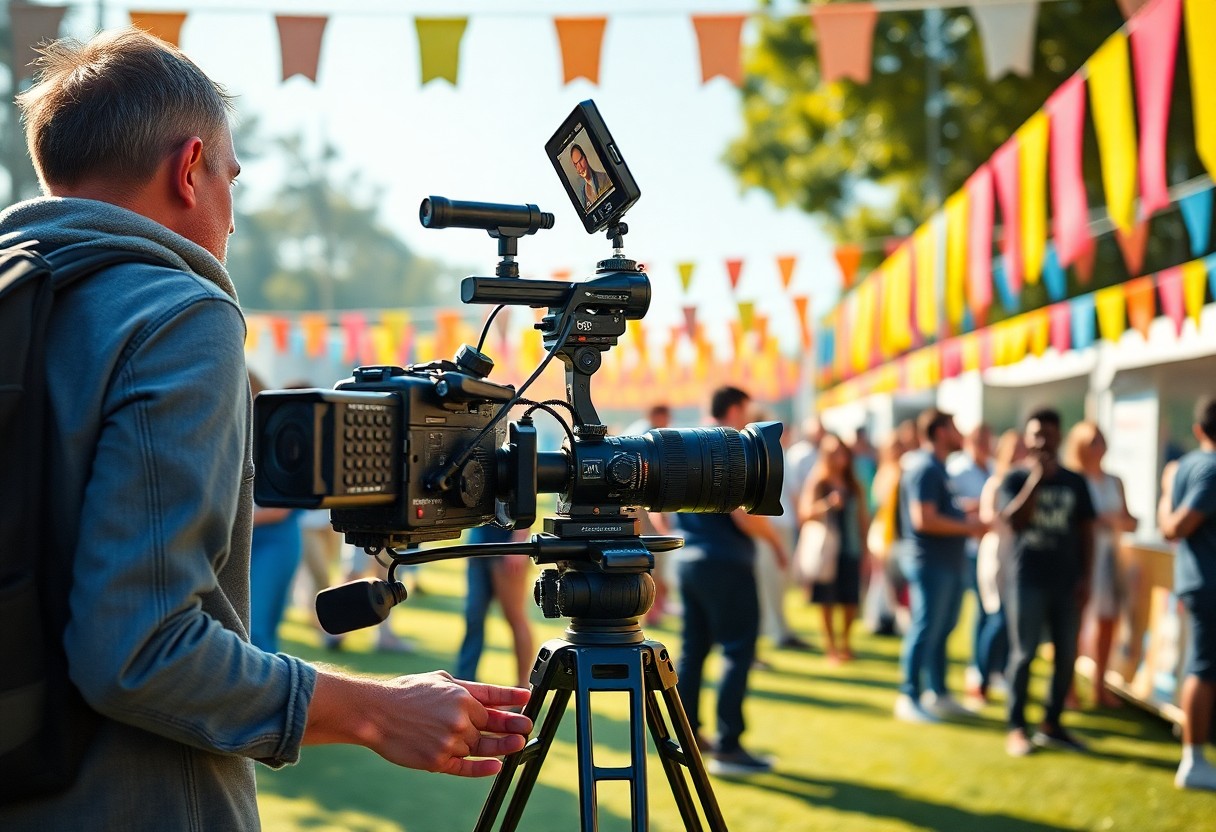
Just like any art form, successful event videography relies on your ability to plan meticulously and adapt swiftly. With the correct techniques, you can capture every memorable moment while showcasing the essence of the event. Dive into these smart how-to methods that will elevate your videography skills, help you avoid common pitfalls, and ensure your final product resonates with your audience. Whether you’re shooting a wedding, corporate gathering, or festival, these insights will empower you to create stunning videos that reflect your unique perspective.
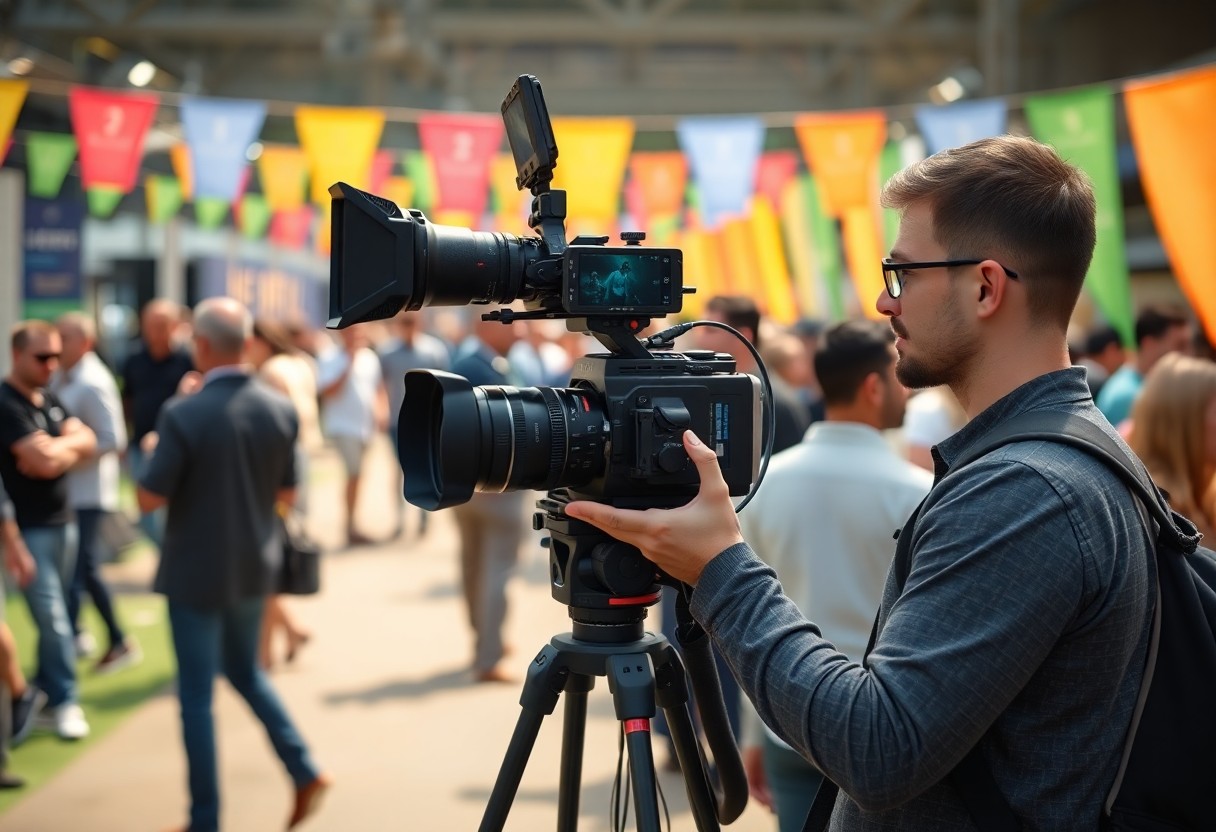
Key Takeaways:
- Plan your shots ahead of time to ensure you capture all important moments and angles.
- Use high-quality equipment to enhance video clarity and sound quality, making the final product more professional.
- Engage with the event participants to capture authentic reactions and interactions that tell a compelling story.
- Utilize multiple camera angles for a dynamic viewing experience and to provide variety in post-production.
- Incorporate effective lighting techniques to improve visibility and set the right mood for the event.
- Edit strategically to create a cohesive narrative while maintaining the essence of the event.
- Seek feedback from clients to refine your skills and align your work with their vision for future projects.
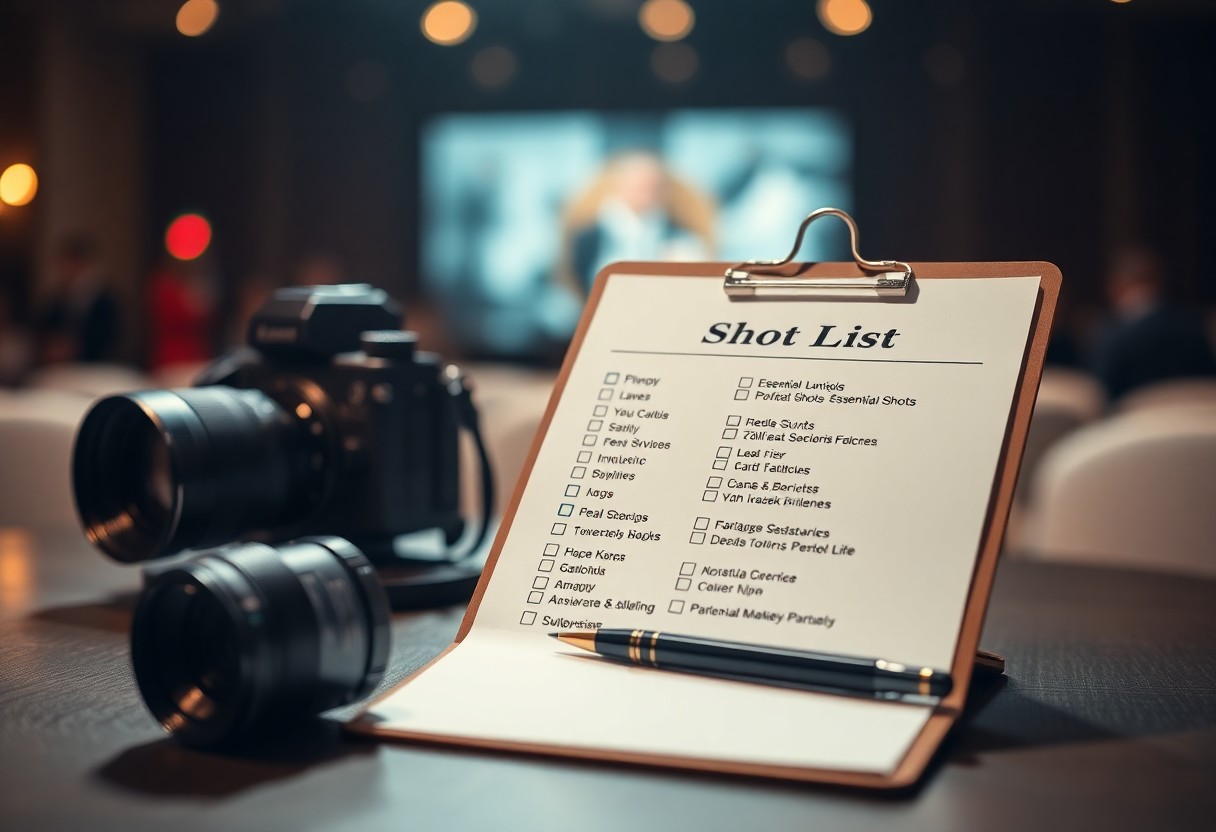
Crafting The Perfect Shot List
Creating an effective shot list is your roadmap for a successful event videography project. It helps keep you organized and ensures that no key moments slip through the cracks. Include specific shots that not only capture the event’s essence but also allow for flexibility, enabling you to adapt as the event unfolds. Incorporate a mix of wide, medium, and close-up shots for a well-rounded narrative. A well-thought-out list can streamline your workflow, making it easier to deliver a polished final product.
Prioritizing Key Moments
Identifying and prioritizing key moments is vital for an impactful video. Focus on moments that evoke strong emotions or convey significant messages. For instance, capturing the bride’s first look or the speaker’s key takeaways in an important presentation can elevate the storytelling. Assigning a specific shot number to these moments can help you stay focused during the event.
Balancing Aesthetic and Narrative
A successful event video strikes a balance between aesthetic appeal and narrative coherence. While visually stunning shots draw viewers in, a well-told story keeps them engaged. Use creative framing and angles to spice up your visuals, but remain committed to the narrative flow. For instance, transitioning smoothly between interviews and candid shots of the audience not only enhances the overall viewing experience but also reinforces the event’s significance. Maintaining this balance ensures that your final product resonates deeply with your audience.
Mastering Equipment Selection
Choosing the right equipment can elevate your event videography from ordinary to exceptional. Familiarity with various cameras, lighting setups, and audio gear enables you to adapt to different venue conditions and event types. Start building your inventory with useful basics and gradually expand to specialized tools that meet your unique needs. Prioritize equipment that enhances your storytelling ability and allows you to creatively capture the essence of each event.
The Essential Gear for Event Videography
Equipping yourself with the fundamental tools is imperative for successful videography. A high-definition camera, a reliable tripod, and appropriate microphones form the backbone of your setup. These imperatives allow you to stabilize your shots, capture quality audio, and ensure consistent footage throughout the event.
| Item | Purpose |
| High-definition camera | Captures video in crystal-clear quality |
| Tripod | Provides stability for steady shots |
| Microphones | Ensures clear audio capture |
Advanced Tools for Professional Quality
Investing in advanced tools can significantly enhance the quality of your event videos. Gimbals for smooth motion shots, drones for stunning aerial views, and external lighting kits for brightening low-light situations are some excellent options. These tools not only improve the technical quality but also expand your creative possibilities.
| Item | Benefit |
| Gimbal | Ensures steady footage during movement |
| Drone | Offers unique aerial perspectives |
| Lighting Kits | Enhances visibility in dimly lit venues |
Utilizing advanced tools allows you to elevate your production quality and deliver polished videos that impress your clients. The dynamic effects of gimbals smoothen out camera shakes, while drones open the sky to fresh angles that standard cameras cannot achieve. Additionally, the right lighting transforms any location, ensuring your subjects shine even in challenging conditions. Experimenting with these advanced tools leads to standout projects that capture the event’s energy and excitement.
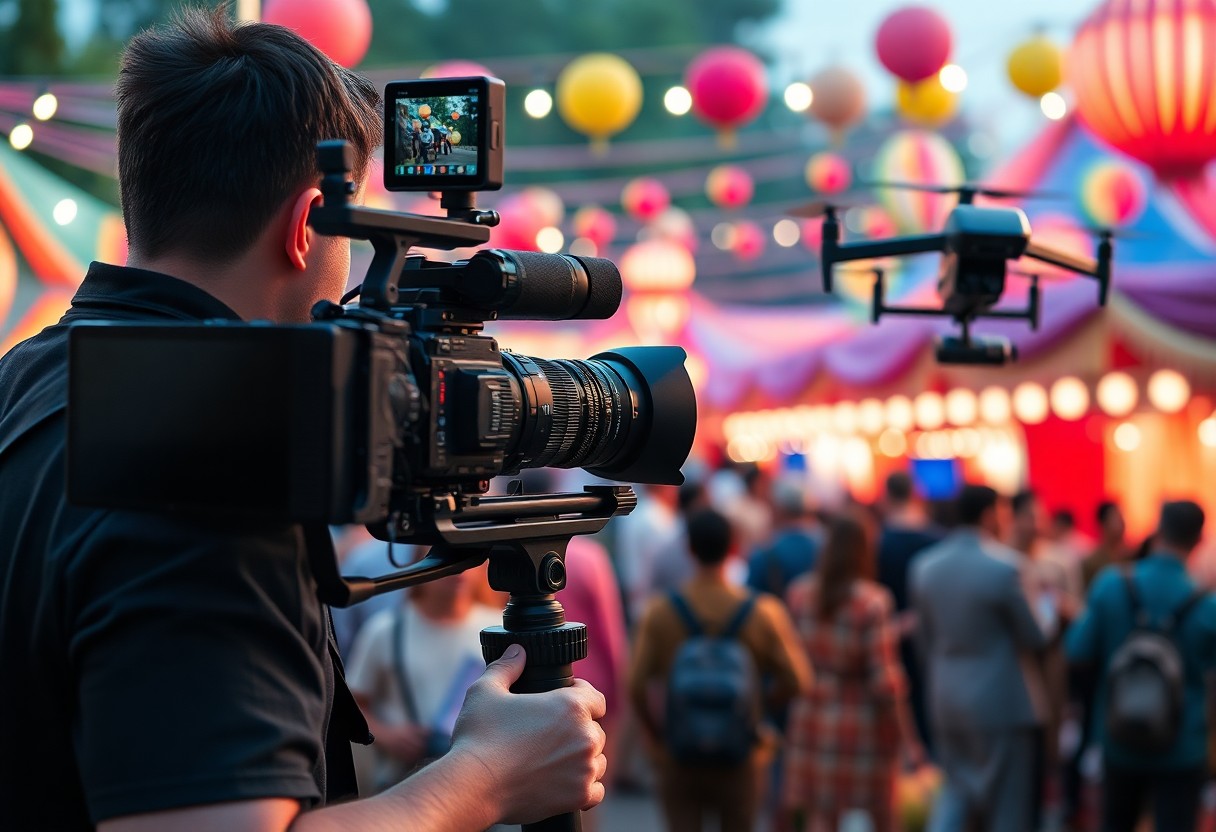
Innovating with Camera Techniques
Creativity in camera techniques can transform ordinary event footage into visually compelling narratives. Experimenting with various shot styles, angles, and movements adds layers to your storytelling, allowing you to capture the essence of the event more effectively. By embracing innovation, you can create engaging content that resonates with your audience and makes the event memorable.
Dynamic Angles and Movement
Employing dynamic angles and movements can inject energy into your video projects. Utilize techniques such as panning, tilting, and even handheld shots to create a sense of presence and excitement. For instance, a low-angle shot can emphasize a speaker’s authority, while a moving shot through the crowd captures the event’s atmosphere, drawing viewers deeper into the experience.
Utilizing Natural Lighting to Your Advantage
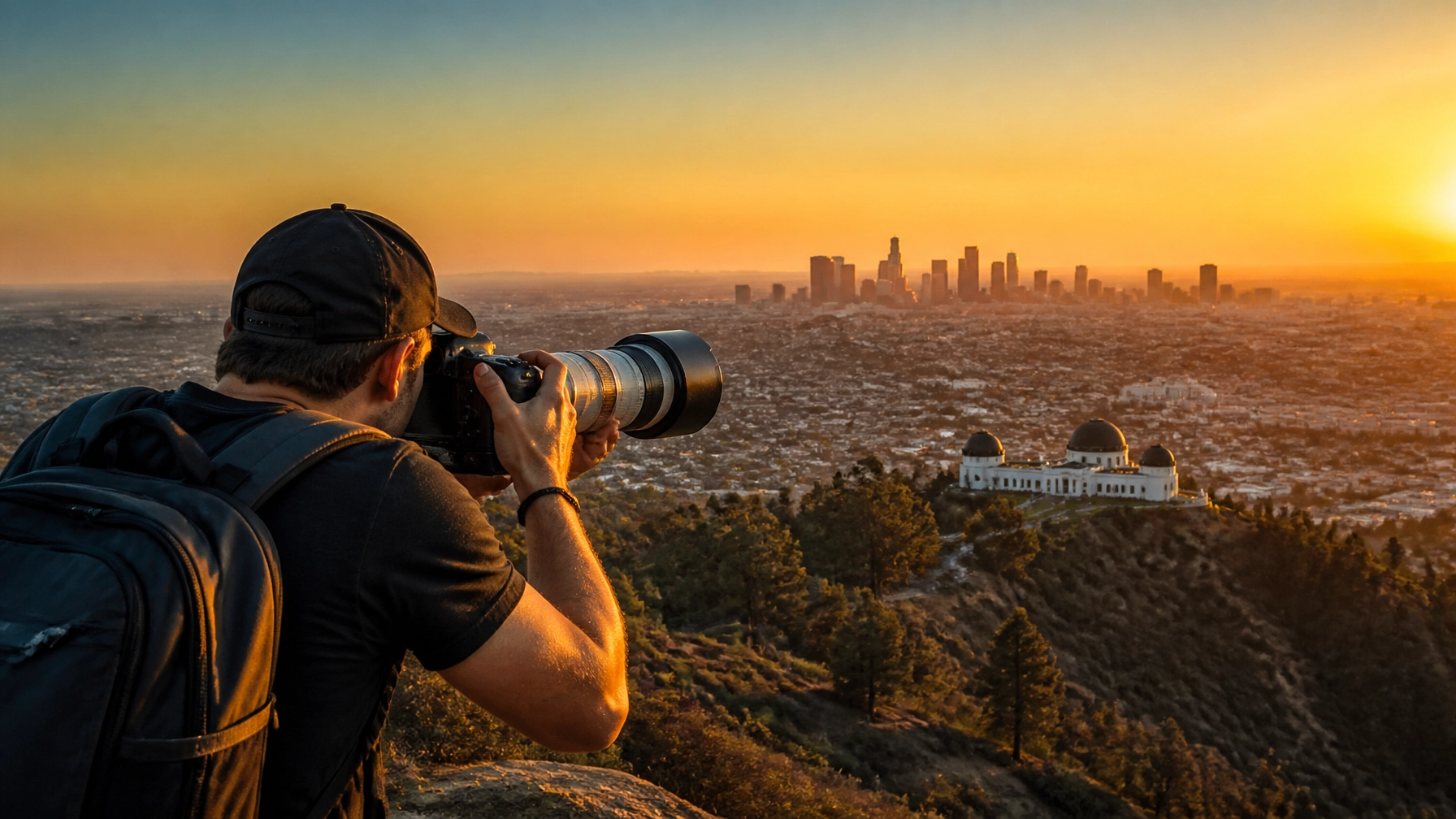
Natural lighting plays a vital role in enhancing your visuals. Scouting locations with ample natural light not only reduces the need for additional lighting equipment but also adds authenticity to your shots. Events held outdoors, especially during the golden hour, can produce stunning results with warm, soft lighting that flatters your subjects and creates an inviting ambiance.
Incorporating natural lighting can significantly elevate your videography. For instance, an outdoor wedding held just before sunset offers perfect lighting conditions, creating a romantic backdrop for the ceremony. By planning your shoot around these golden hours, you capture the event in a way that feels genuine and vivid. Using reflectors can help channel light to eliminate harsh shadows, ensuring your subjects are beautifully illuminated. Bear in mind, the right light can transform an ordinary scene into a cinematic masterpiece.
The Art of Post-Event Editing
Mastering post-event editing is where your initial footage comes to life, transforming raw clips into a riveting story that captivates your audience. By carefully curating the highlights and seamlessly blending different segments, you create a cohesive narrative that resonates emotionally with viewers. Focus on pacing, transitions, and sound design to enhance the overall experience, ensuring every cut serves a purpose. The final product should not only convey the essence of the event but also innovate ways to keep the audience engaged long after the event is over.
Streamlining Your Workflow
Implementing an efficient workflow is key to managing your editing process effectively. Organize your footage into manageable folders, categorizing by days, segments, or themes. Utilize software that allows for quick previews and selections, enabling you to focus on the most impactful clips. Automating repetitive tasks, like color correction or audio leveling, can save significant time, allowing you to concentrate on the more creative aspects of your edit.
Harnessing Creative Storytelling Through Edits
Effective editing goes beyond merely piecing together clips; it’s about crafting a narrative that engages viewers. By thoughtfully arranging your footage and incorporating techniques like cross-cutting, you can draw connections between different moments, heightening drama or revealing insights. Consider employing sound bites and visuals that amplify emotional beats, making the audience feel connected to the experience. This strategy not only tells a story; it enriches your viewer’s understanding of the event.
To truly harness creative storytelling, dive deeper into the individual clips that make up your narrative. Look for moments that hold emotional weight or demonstrate key interactions, then juxtapose these with other clips to create contrasts or parallels. Incorporate visual motifs—like recurring themes or colors—that tie the edit together and evoke particular emotions. Use your editing software’s capabilities to overlay audio from interviews or speeches, weaving them through your visuals to give depth and context. This layered approach elevates your event video, transforming it from a simple recording into an immersive storytelling experience that resonates long after the audience has seen it.
Navigating Client Relationships for Success
Your client relationship sets the tone for a successful event videography project. Establishing trust and rapport will ultimately foster an environment where creativity can flourish. Address client concerns and feedback openly, ensuring that their vision aligns with your expertise. Regular check-ins can reinforce your commitment to delivering quality work, keeping them informed and engaged throughout the process.
Setting Clear Expectations and Goals
Defining clear expectations and project goals at the outset minimizes misunderstandings. Discuss the specific deliverables, timelines, and any creative concepts to ensure both you and your client are on the same page. Documenting these agreements serves as a reference point, especially when navigating changes or challenges that may arise during production.
Enhancing Communication During Events
Proactive communication during events can elevate your videography service and keep your client at ease. Providing real-time updates about filming progress ensures they’re informed and engaged. Using a walkie-talkie or a shared chat platform allows you to exchange crucial information seamlessly, mitigating potential issues before they escalate.
Engaging in active dialogue during the event can also help you capture precise moments that matter most to your client. By asking questions or confirming important shots, you value their input and create a collaborative atmosphere. This approach not only enhances the final product but also reassures clients that their perspective is integral to your work. Combining your creative vision with their expectations results in a richer, more customized experience for everyone involved.
Summing up
On the whole, mastering effective event videography requires a blend of planning, creativity, and technical skill. By utilizing smart how-to methods, you can enhance the quality of your footage and capture the essence of the moment. Focus on preparing in advance, understanding your equipment, and prioritizing key moments during events. With practice and dedication, you can create lasting memories that resonate with your audience, elevating your videography to new heights.
FAQ
Q: What are some vital tips for planning an event videography project?
A: Planning is vital for successful event videography. Start by understanding the event’s objectives, audience, and key moments that should be captured. Create a timeline that includes dates for filming, editing, and delivery. Connect with the event organizers to discuss specific needs and preferences, and draft a shot list that outlines important scenes. Make sure to scout the venue beforehand to identify the best angles and lighting conditions.
Q: How can I ensure high-quality video and audio during the event?
A: High-quality video and audio depend on using the right equipment and techniques. Invest in a good camera and lens that suits your budget and needs, alongside a sturdy tripod or gimbal for stabilization. For audio, consider using external microphones to capture clear sound, especially for speeches or interviews. During the event, monitor the audio levels and adjust as needed, and if possible, shoot in a setting with minimal background noise.
Q: What are some techniques for storytelling in event videography?
A: Storytelling can elevate your event videography by creating an engaging narrative. Focus on key elements such as establishing context with venue shots, showcasing the guests’ experiences, and capturing emotional moments throughout the event. Use interviews or testimonials from attendees to provide depth and personal insights. Editing plays a significant role; combine clips to create a cohesive story, and consider pacing and music to enhance the overall impact.
Q: How important is post-production in event videography?
A: Post-production is a critical phase in event videography that can greatly enhance the final product. It involves editing the footage for clarity and flow, adding effects, color grading to enhance visuals, and incorporating music or sound design for atmosphere. Effective editing can help maintain viewer interest and convey the event’s essence. Allocate sufficient time for this phase, and be open to feedback from peers or clients before finalizing the video.
Q: How can I promote my event videography services effectively?
A: Promoting your event videography services requires a blend of both online and offline strategies. Leverage social media platforms to showcase your work, including trailers or highlights from previous events. A well-curated website or portfolio can serve as a central hub for potential clients to view your style and expertise. Networking with event planners, venues, and local businesses can also help create referrals. Consider offering discounts for first-time clients or package deals to attract more bookings.

Leave a Reply
You must be logged in to post a comment.