

Many aspiring videographers seek to create captivating content that resonates with audiences during events. To elevate your skills and achieve thrilling results, you’ll need innovative ideas and practical strategies. This guide will equip you with inspiring techniques to enhance your event videography, ensuring your footage not only captures the essence of the occasion but also engages viewers on a deeper level. Let’s examine these actionable tips that will transform your event videography approach and leave a lasting impact.
Key Takeaways:
- Leverage storytelling to create a captivating narrative that resonates with the audience.
- Utilize various camera angles and creative shot compositions to enhance visual interest.
- Incorporate interviews with speakers and attendees to provide diverse perspectives and personal experiences.
- Ensure high-quality audio by using professional microphones and sound equipment, as it significantly impacts viewer engagement.
- Engage with your audience on social media by sharing behind-the-scenes content and sneak peeks of the event video.
- Plan a detailed shooting schedule to maximize efficiency and ensure key moments are captured without missing opportunities.
- Edit with precision to maintain a steady pace, using music and graphics to complement the visuals and enhance the overall appeal.

Crafting Compelling Narratives Through Video
Every piece of event videography should tell a story that resonates with your audience. Engaging videos transport viewers into the heart of an experience, showcasing not just the event itself, but also the emotions and connections shared among attendees. By incorporating elements that highlight key moments, conversations, and interactions, you create a narrative that encapsulates the essence of the event and leaves a lasting impression.
The Art of Storytelling in Event Videography
Effective storytelling in event videography involves more than just capturing footage; it’s about weaving a tapestry of emotions, themes, and experiences. Start by identifying the main message or theme of your event, as this will guide your narrative arc. Use interviews, testimonials, and candid moments to build your story, allowing real voices to share genuine experiences that strengthen the narrative.
Techniques for Weaving Attendee Experiences into a Cohesive Narrative
To create a narrative that flows seamlessly, it’s crucial to capture diverse attendee experiences and integrate them into a unified storyline. You can start by conducting brief on-the-spot interviews with participants, gathering their immediate thoughts and feelings about the event. Utilize B-roll footage of attendees engaging in activities, networking, or enjoying the ambiance to complement these narratives. Distinct editing techniques, such as transitioning between personal stories and overarching event highlights, will tie individual experiences together, illustrating a shared journey that enhances viewer connection.
Consider structuring your video with a clear beginning, middle, and end by focusing on conflict and resolution. For instance, highlight initial attendee excitement and curiosity in the beginning, showcase collaborative interactions and key presentations in the middle, and conclude with a reflective wrap-up that illustrates the impact of the event. Incorporating background music that resonates with the mood and pacing of each segment enriches the storytelling. This careful curation of attendee encounters ensures your narrative not only draws viewers in but also evokes emotions that make your event unforgettable.
Mastering Cinematic Techniques for Impact
Enhancing the emotional depth of your event videography hinges on mastering various cinematic techniques. From using slow-motion sequences to dynamic cuts, each element contributes to a compelling viewing experience that captures the essence of the event. Consider how effective shot composition and camera movements can evoke emotions, ensuring your final product not only entertains but also resonates with your audience. Pay attention to pacing; it profoundly influences how viewers perceive the unfolding story.
Essential Filming Techniques that Captivate
Incorporating a mix of filming techniques can significantly enhance your event videos. Techniques like tracking shots create fluid motion, while close-ups capture raw emotions. Employing time-lapse segments can compress weeks of planning into mere seconds, providing engaging context. Each of these techniques, when applied thoughtfully, works together to maintain viewer engagement, turning occasional glances into immersive watching experiences.
Utilizing Lighting and Composition for Emotional Resonance
The interplay of lighting and composition plays a pivotal role in conveying emotions in video. Soft, diffused lighting envelops subjects in warmth, whereas harsh shadows can instill a sense of urgency or tension. Strategic composition, such as the use of the rule of thirds or leading lines, directs viewers’ attention and guides their emotional journey through the footage. Engaging visuals paired with intentional lighting can create a mesmerizing atmosphere that lingers long after the event.
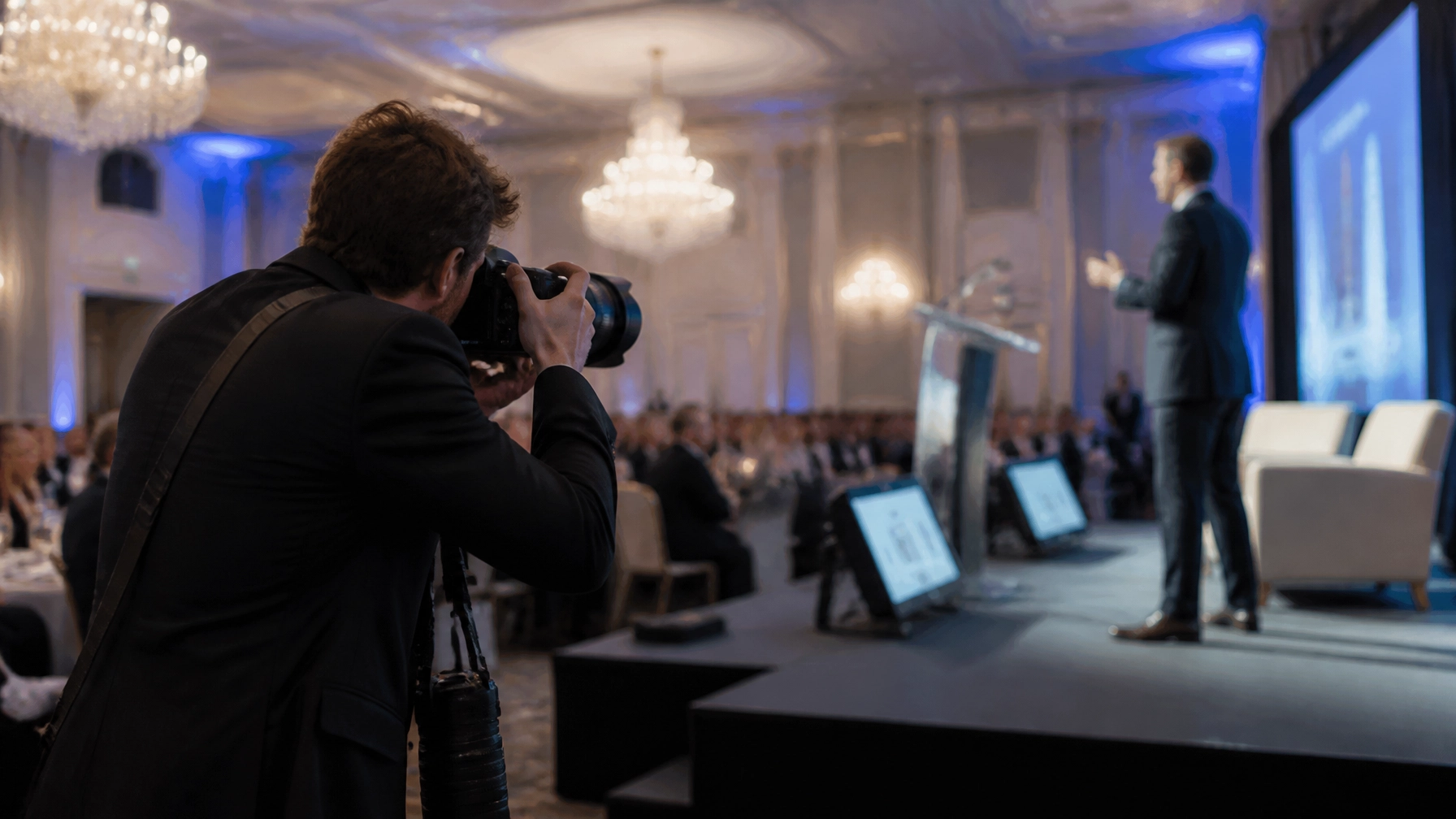
To elevate the emotional impact of your videos, consider different lighting setups and how they affect the mood and tone of your shots. For example, during a romantic wedding ceremony, using warm ambient lighting can radiate love and joy. Conversely, during a corporate event, bright, cool lights may foster an atmosphere of professionalism and focus. Thoughtfully framing each shot using elements like foreground interest can enhance the depth of the scene, inviting your audience to feel as if they’re part of the moment. When viewers feel the emotions reflected in your composition, they’re more likely to engage with the content on a deeper level, fostering a lasting connection.
Integrating Technology for Enhanced Engagement
Utilizing technology can significantly elevate the impact of your event videography, creating a richer experience for your audience. By incorporating innovative tools, you enhance not only visual appeal but also the way viewers connect with your content. This integration allows for creativity, promoting interaction and enhancing storytelling, ultimately transforming how events are experienced both live and digitally.
The Role of Drones and 360-Degree Cameras in Modern Videography
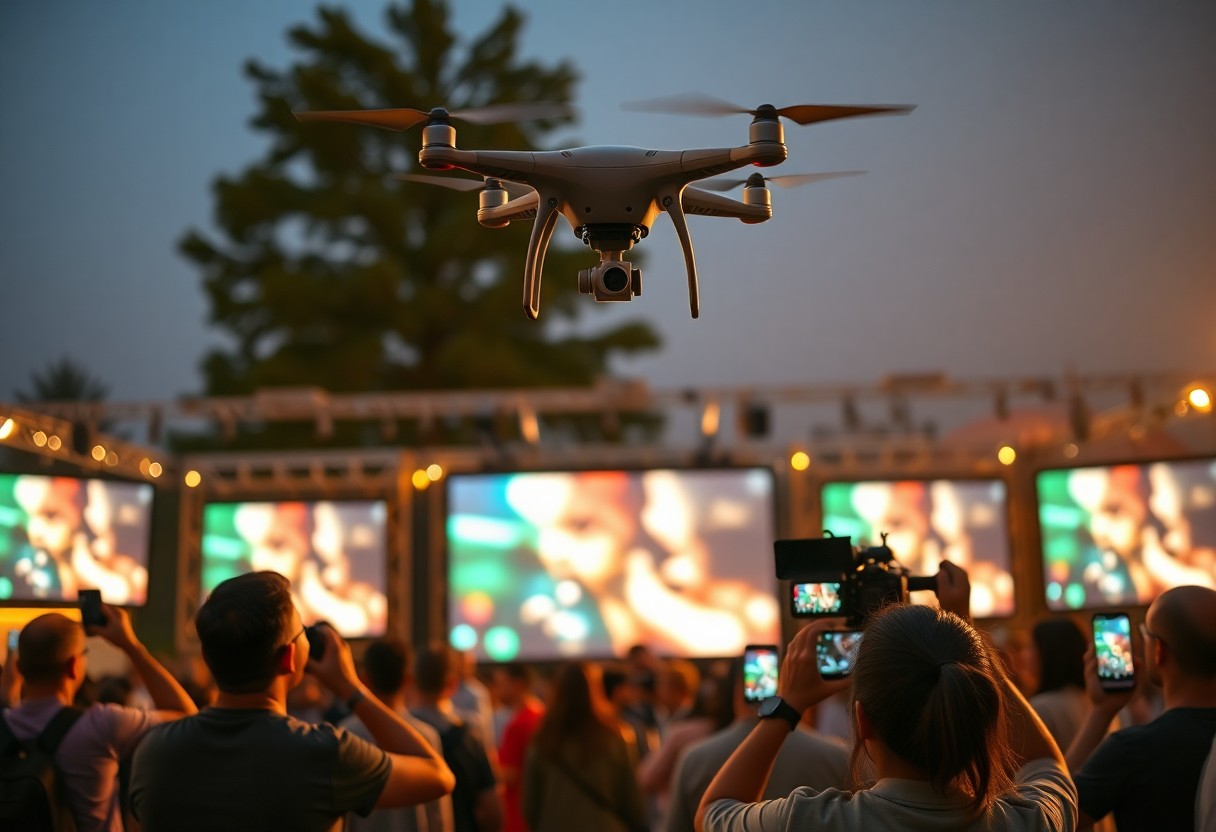
Drones and 360-degree cameras are revolutionizing event videography by offering unique perspectives and immersive experiences. Drones capture sweeping aerial shots that can effectively showcase large outdoor events, providing viewers with breathtaking visuals that engage and captivate. Meanwhile, 360-degree cameras allow audiences to feel as though they are inside the event, navigating the space and exploring moments that traditional cameras simply can’t capture.
Leveraging Live Streaming to Expand Reach and Engagement
Live streaming enables you to broadcast your event in real-time, reaching audiences far beyond physical attendance. This approach not only increases engagement but also fosters community among your viewers. By enabling interaction through chat features and social media, you create a dynamic environment where audiences feel involved and valued.
For instance, a study by Eventbrite found that 68% of event creators use live streaming to broaden their audience reach. This allows you to connect with remote participants, increasing ticket sales and promoting brand awareness. Platforms like YouTube Live and Facebook Live offer an array of tools to boost viewer interaction, such as polls and Q&A sessions, making your content feel even more engaging. Furthermore, uploading recorded streams for future viewing ensures that your impact can extend beyond the event’s live presentation, allowing you to revisit and utilize the material in various marketing efforts later on.
Collaborating with Event Stakeholders for Authentic Content
Effective collaboration with event stakeholders, including planners and participants, lays the groundwork for producing authentic content that genuinely reflects the event’s atmosphere. Open lines of communication foster ideas and ensure everyone is aligned on the vision, which ultimately enhances the quality and relatability of the footage. Engaging various perspectives helps in showcasing the essence of the event, ensuring the final video resonates with viewers and highlights the unique elements that make your event stand out.
Strategies for Working with Event Planners and Participants
Building strong relationships with event planners and participants is important for capturing authentic moments. Schedule pre-event meetings to discuss goals, desired shots, and key highlights. Solicit input from participants about their expectations and experiences; doing so can lead to moments that might otherwise go unnoticed. Involve them in the creative process, prompting them to share personal stories that can form compelling narratives within your video.
Capturing Genuine Moments: The Importance of Pre-Event Communication
Establishing clear communication channels before the event allows you to uncover valuable insights that shape your videography approach. By engaging with stakeholders early on, you can identify the key messages and themes they wish to convey, tailoring your video content to suit their vision. This groundwork equips you to anticipate genuine moments as they unfold, resulting in a visual narrative rich in authenticity and emotional impact. For instance, during a corporate event, knowing attendees’ backgrounds may inspire you to capture specific interactions or activities that highlight shared experiences, enhancing the overall depth of the final product.
Enhancing Post-Production for Maximum Effect
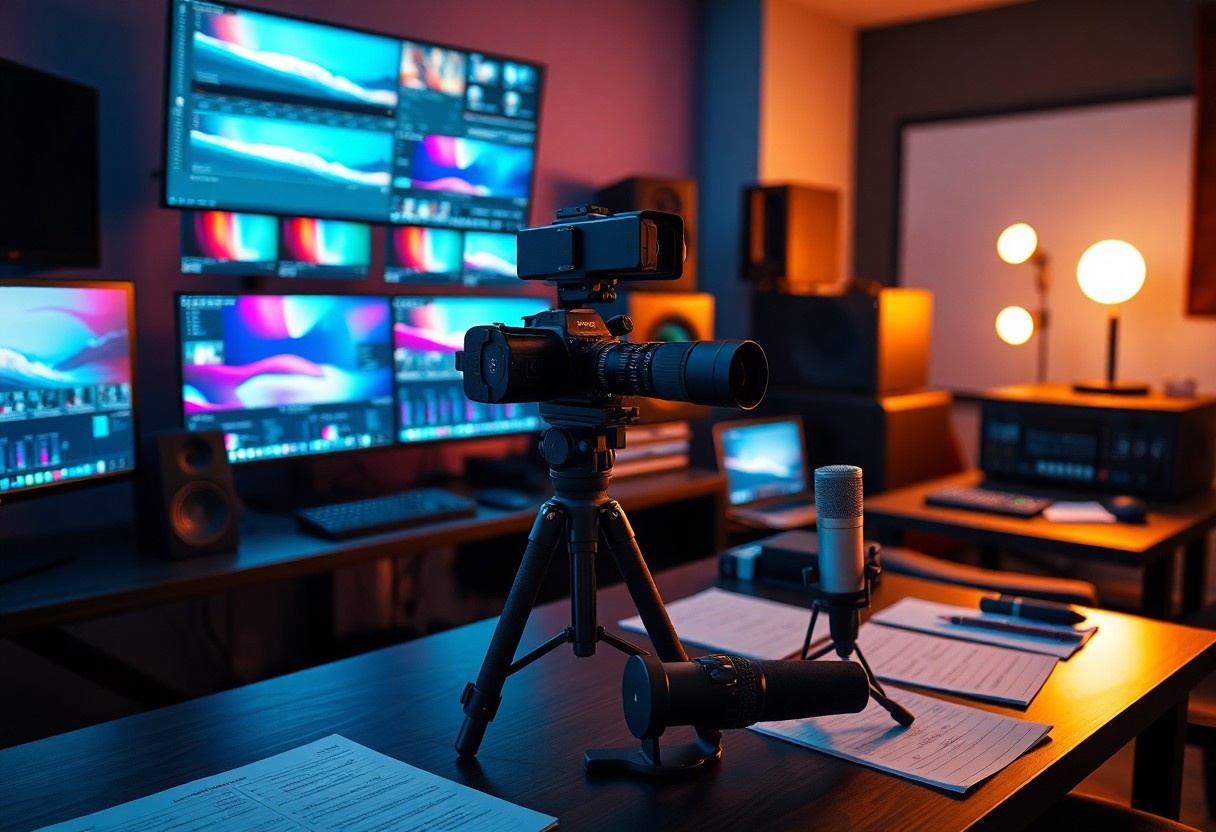
The magic of event videography often unfolds in post-production, where raw footage transforms into a compelling narrative. Using advanced editing techniques, you can enhance the storytelling aspect of your events, making them more engaging and memorable. Utilize software like Adobe Premiere Pro or Final Cut Pro to seamlessly splice clips, add effects, and incorporate graphics that resonate with your audience. Consider pacing your edits to match the energy of the event, ensuring that key moments shine without feeling rushed or drawn out.
Editing Techniques That Elevate Content Quality
Thoughtful editing can significantly enhance the quality of your content. Techniques such as jump cuts, montages, and slow-motion sequences allow you to create a dynamic flow that captures your audience’s attention. By carefully selecting your clips, you pull together a cohesive story that highlights the imperative elements of your event, presenting it in an engaging manner. Adding b-roll footage can fill gaps and provide context, enriching the overall viewer experience.
The Power of Sound Design and Color Grading in Event Videos
Sound design and color grading play integral roles in elevating the emotional impact of your event videos. By incorporating ambient soundscapes, music, and voiceovers, you craft a sonic environment that draws viewers deeper into the experience. Color grading enhances the visual appeal, making scenes more vibrant or moodier based on the event’s tone. For instance, a lively corporate event benefits from bright, warm tones, while a somber memorial service may require a cooler palette to evoke reflection.
Delving deeper into sound design and color grading, you can enhance your storytelling further. Utilizing sound effects to punctuate moments can generate excitement, such as applause or cheers during key presentations. A well-chosen soundtrack serves not only as background but also as a narrative device, guiding viewers’ emotions throughout the video. Color grading tools like DaVinci Resolve allow for professional-grade adjustments; adjusting contrasts and saturation can dramatically shift how the footage feels, often eliciting a more profound emotional response from your audience. By paying attention to these elements, you ensure that your event videos resonate and leave a lasting impression.
Summing up
Summing up, engaging event videography requires creativity and a keen understanding of your audience. By incorporating unique angles, storytelling techniques, and dynamic editing styles, you can elevate your projects and leave a lasting impression. Utilize innovative ideas such as behind-the-scenes footage, audience interactions, and personalized interviews to create a more immersive experience for viewers. Always focus on capturing the essence of the event while ensuring high-quality production values that reflect your brand. With your commitment to excellence, your videography will not only document moments but also inspire and resonate with your audience.
FAQ
Q: What are some creative themes for event videography?
A: Creative themes can significantly enhance the storytelling aspect of event videography. Consider themes like “Behind the Scenes,” which offers a glimpse into the preparations, or a “Day in the Life” format that captures personal stories of attendees. Other engaging ideas include “Time-Lapse” videos that encapsulate the event’s essence over hours or even days, and “Highlight Reels” that emphasize key moments with dynamic editing and music.
Q: How important is sound quality in event videos?
A: Sound quality is important in event videography as it can greatly affect the overall viewing experience. Clear audio can help convey emotions and messages effectively, while poor sound can distract viewers. To ensure optimal sound quality, utilize external microphones, conduct sound checks before the event, and consider integrating background music that complements the mood without overshadowing dialogue.
Q: What techniques can be used to keep viewers engaged during event videos?
A: To maintain viewer engagement, consider using a combination of dynamic shots, such as close-ups and wide angles, to create visual interest. Incorporating interviews or testimonials can provide personal insights and enhance storytelling. Editing techniques, like quick cuts and effective timing with music transitions, can also sustain attention. Finally, consider adding graphics or animations to emphasize key points or statistics.
Q: How can I effectively market my event videos post-production?
A: Promoting your event videos after production is vital for maximizing reach and engagement. Utilize social media platforms for teaser clips and behind-the-scenes content leading up to the full video launch. Creating an email campaign targeting participants and potential guests can also drive viewership. Additionally, optimize video descriptions and titles with relevant keywords for searchability on platforms like YouTube. Collaborating with influencers or bloggers in your niche can further expand your audience.
Q: What equipment is recommended for high-quality event videography?
A: For high-quality event videography, investing in reliable equipment is beneficial. A good DSLR or mirrorless camera with video capabilities is important. Consider using a gimbal or steadicam for smooth shots, as well as tripods for stable static shots. External microphones and a portable audio recorder are important for capturing clear sound. Having backup batteries, memory cards, and lighting kits can also be useful to ensure a seamless filming experience throughout the event.


Leave a Reply
You must be logged in to post a comment.