
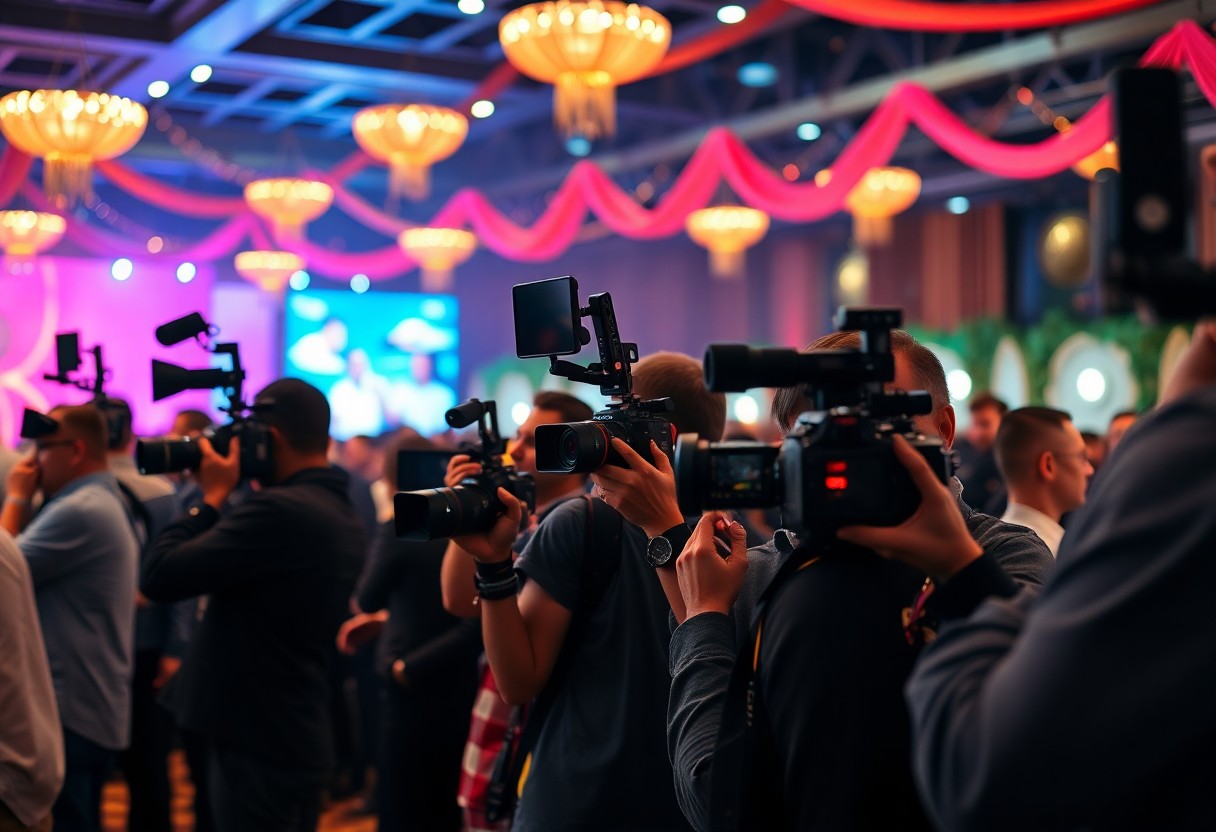
Photography has undergone significant transformations over the years, particularly in event photography. As you navigate this dynamic field, understanding the latest trends and techniques is crucial for capturing moments in ways that resonate with your audience. From the rise of candid shots to the integration of drones and live streaming, you’ll discover how these innovations can elevate your work. Join us as we explore the evolution of event photography, equipping you with the knowledge to stay relevant and impactful in your craft.
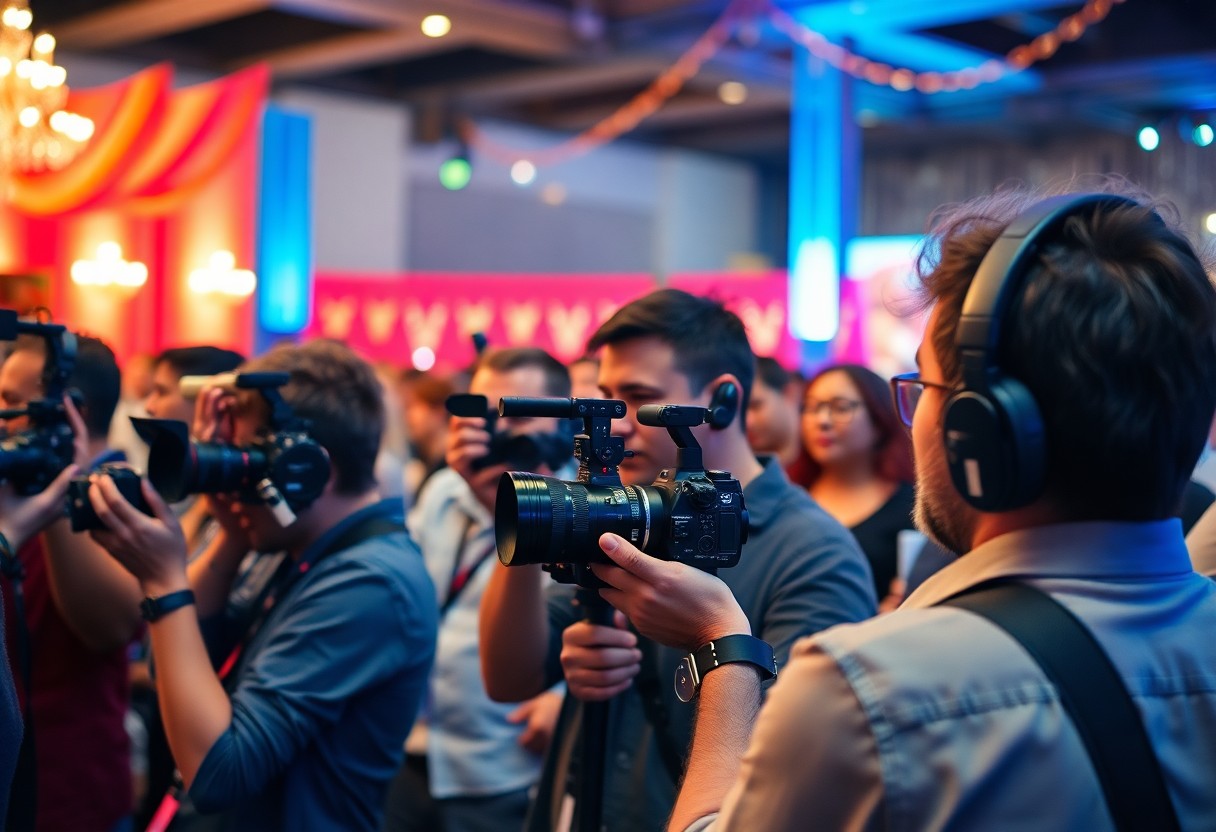
The Shift from Traditional to Modern Photography
The landscape of event photography has dramatically shifted from traditional techniques to modern innovations, enabling photographers to capture moments with unparalleled creativity. Traditional posed photographs have evolved into dynamic storytelling, where spontaneous interactions and genuine emotions take center stage. With the rise of social media, your images now serve not just as memories but as shareable content, enhancing the overall event experience for both clients and guests.
The Impact of Digital Technology on Event Photography
Digital technology has revolutionized event photography by offering instant feedback and an array of tools that enhance image quality. You can now shoot in lower light conditions, capture high-resolution images, and use editing software for real-time adjustments. This technology also enables faster sharing on various platforms, allowing your work to reach a wider audience almost instantly, ultimately shaping your brand’s identity in the industry.
Transitioning from Film to Instant Capture: A Chronicle of Change
The shift from film to digital photography marked a turning point in how you approach event photography. Film required careful planning and limited shots, while digital allows for rapid adjustments and limitless captures. This change not only democratized photography, making it accessible to many, but also challenged photographers to experiment and innovate their techniques.
The transition to instant capture began in the late 1990s as digital cameras gained popularity. For example, the introduction of affordable DSLR cameras in the early 2000s allowed you to experiment with various settings and styles without the cost of film or development. This accessibility led to a boom in event photography, with photographers capturing everything from intimate gatherings to large-scale festivals with ease. Now, you have the tools to produce remarkable images instantly, transforming not just the way you take photos, but also how you connect with clients and audiences through your captured moments.
The Role of Social Media in Shaping Event Documentation
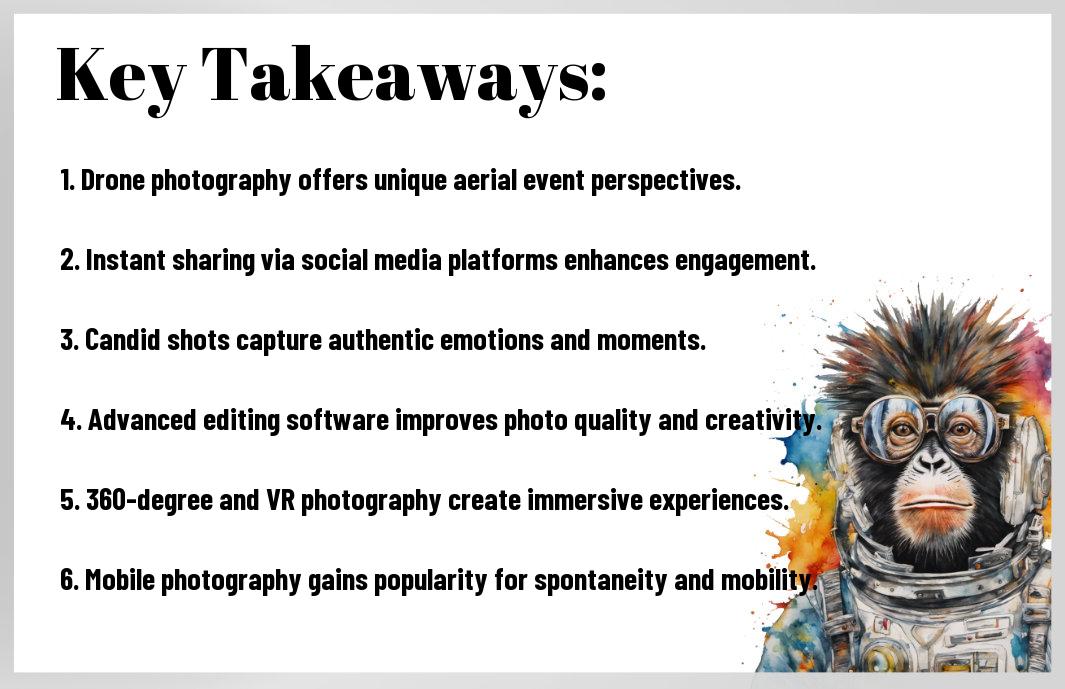
Social media has revolutionized how events are documented, shifting the focus from traditional photography to an environment where content is instantly shared and consumed. Platforms like Instagram, Facebook, and TikTok enable you to showcase your event in real-time, allowing attendees to become contributors as they post their experiences and tag relevant moments. This shift not only enhances engagement but also provides a wealth of visual content that can be leveraged for future marketing efforts.
How Instant Sharing Alters Photography Styles
With the rise of instant sharing, photography styles have adapted to prioritize spontaneity and authenticity. You’re now likely to encounter more candid shots and less formal posing, as the goal shifts towards capturing genuine emotions and interactions. Techniques such as burst mode and live filters are frequently used to create dynamic stories that resonate with your audience, encouraging a more immersive connection with the event.
Influencer Culture and Its Effects on Event Coverage
Influencer culture has dramatically influenced how events are covered, as influencers often dictate trends in storytelling and aesthetic presentation. Their endorsement can amplify an event’s reach, creating an atmosphere where carefully curated moments and brands are given prominence. Professional photographers now often collaborate with influencers to ensure that key visuals align with broader social media trends, blending professional quality with relatable, personal touches.
Influencers have the power to shape public perception, and their presence at an event can drive significant engagement. Many brands recognize that influencers can offer a unique, relatable perspective that traditional professionals might miss. For instance, collaborations during high-profile events like fashion weeks have shown that influencers can turn an average event into a trending topic, thus increasing visibility and turning moments into shareable content. By aligning your event photography strategy with influencer trends, you can effectively tap into wider networks and enhance the overall impact of your documentation.
Emerging Techniques That Redefine Event Narratives
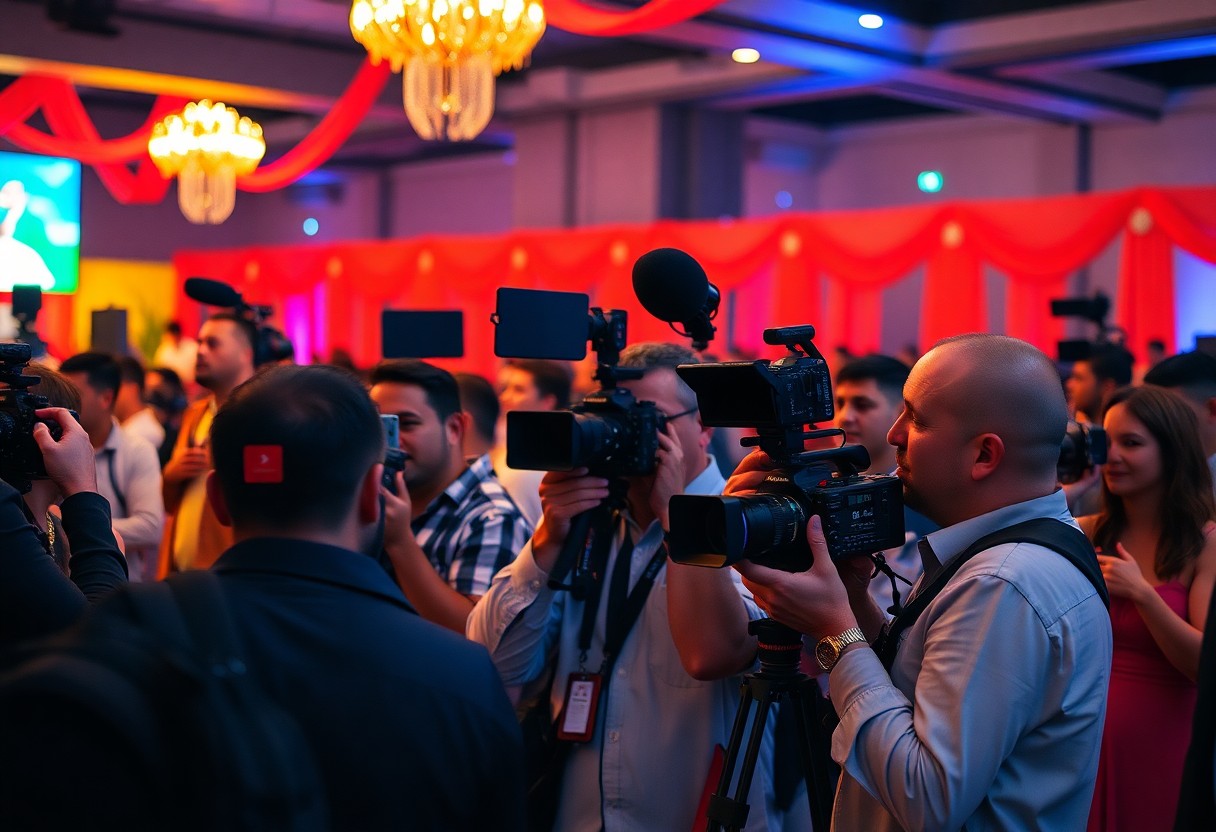
Innovations in event photography are transforming how stories are told through images. By integrating advanced tools and techniques, photographers can now create immersive experiences that resonate deeper with audiences. This chapter explores cutting-edge methods, including aerial vistas, interactive technologies, and multi-dimensional storytelling approaches, allowing you to capture events in ways that elevate emotional engagement and narrative depth.
Utilizing Drones for Aerial Perspectives
Drones have revolutionized event photography by providing stunning aerial perspectives that were previously impossible to achieve. These flying cameras allow you to capture sweeping landscape shots and unique crowd dynamics, giving your audience a fresh viewpoint that enhances the overall narrative. The ability to take high-resolution images from above not only elevates the visual storytelling but also adds an element of grandeur and context to your event documentation.
The Rise of 360-Degree Photography and Virtual Reality Experiences
The advent of 360-degree photography and virtual reality is not just an evolution; it’s a revolution in how events are experienced. By employing specialized cameras, you can create immersive visuals that allow viewers to explore the environment as if they were actually there. This technology not only captures every angle but also invites your audience to engage actively with the content, transforming passive viewing into interactive exploration.
Engaging with 360-degree photography and virtual reality expands the boundaries of conventional event documentation. Imagine inviting viewers to step inside a virtual space where they can look around and interact with their environment. This level of interactivity offers a unique way to showcase events, from conferences and weddings to festivals and exhibitions. By connecting with your audience in an immersive manner, you create a memorable experience that fosters deeper emotional connections and an enhanced understanding of the event’s essence. As this technology continues to evolve, its integration into event photography will undoubtedly redefine how stories are told, enabling even more diverse and creative expressions of your vision.
Essential Skills for the Contemporary Event Photographer
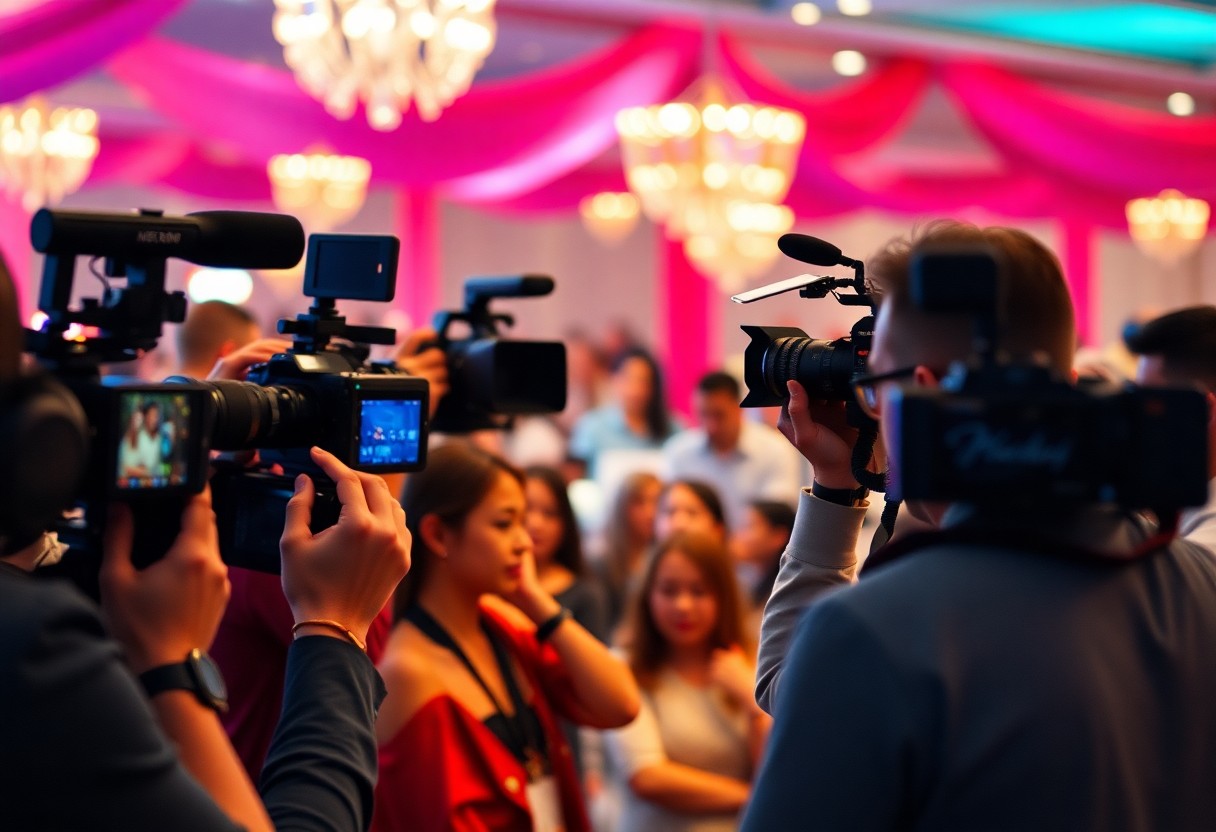
Mastering the art of event photography requires a diverse skill set that adapts to the dynamic nature of each occasion. You’ll need to blend technical expertise with artistic vision, allowing you to capture emotions and candid moments that tell a comprehensive story. Your ability to communicate with clients and guests fosters a comfortable atmosphere, enabling you to get the best shots while staying attuned to the theme and flow of the event.
Mastering Lighting and Composition in Varied Environments
Understanding how to manipulate lighting in different settings drastically enhances your photography. You’ll often encounter a mix of ambient light, artificial fixtures, and challenging shadows. By mastering techniques such as using reflectors, flash, or natural light, you can ensure that your compositions remain striking regardless of the environment, creating dynamic images that evoke the spirit of the occasion.
Adapting to Different Event Formats: From Weddings to Corporate Gatherings
Your approach should differ significantly when transitioning between weddings and corporate events. Each format demands a unique style, from the candid, emotional captures of a wedding ceremony to the polished, professional visuals sought after in corporate settings. Understanding the expectations and nuances of each type will enable you to tailor your shooting strategy effectively.
Different event formats require distinct strategies and techniques to meet their specific goals. At weddings, your focus shifts towards capturing intimate moments, emotions, and personal stories, where spontaneity is key. In contrast, corporate gatherings often emphasize brand representation, networking, and professionalism, necessitating a more structured approach with an emphasis on key attendees and event highlights. Knowing the ins and outs of each occasion will empower you to deliver a final product that resonates with your clients’ objectives, ultimately leading to more satisfaction and repeat business.
Future Trends: What’s Next for Event Photography?
The landscape of event photography is poised to undergo significant shifts as you integrate cutting-edge technologies and innovative approaches. With the rise of immersive experiences and augmented reality, photographers will find themselves increasingly blending real and digital environments. Furthermore, as client expectations evolve, the demand for faster turnaround times and unique visual storytelling will shape the industry’s future.
Predictions for Technology Integration and Upskilling
Technology is set to play a vital role in the future of event photography, pushing you to embrace new tools and platforms. Drones, 360-degree cameras, and AI-powered editing software will become standard, further enhancing the way you capture and process images. Upskilling in areas such as video content creation and live-streaming will also become imperative, allowing you to cater to a broader array of client needs and engage audiences in new ways.
The Growing Importance of Authentic Storytelling
The demand for authentic storytelling in event photography is surging as audiences seek genuine connections and experiences. You must shift your focus from just capturing moments to crafting narratives that resonate deeply with viewers. By emphasizing the emotions, interactions, and stories behind events, your imagery can evoke more profound responses, encouraging attendees to share their experiences and memories online.
As you explore this trend, consider incorporating more candid shots and behind-the-scenes glimpses into your portfolio to showcase the true essence of an event. Clients increasingly prefer images that reflect the atmosphere and unique personality of their gatherings, rather than overly posed photographs. By tapping into genuine moments and engaging authentically with your subjects, you’ll not only elevate your storytelling but also foster stronger connections with your clients, enhancing their overall experience. In a world filled with curated and filtered visuals, your commitment to authenticity can set you apart in a competitive market.
Final Words
So, as you explore the evolution of event photography, it’s necessary to stay informed about the latest trends and techniques that can enhance your work. Embracing technology such as drones and social media will not only elevate your skill set but also help you connect better with your audience. By understanding storytelling, lighting, and candid moments, you can create memorable experiences that resonate deeply. Keep honing your craft and adapting to the changing landscape, and your event photography will continue to thrive and inspire.


Leave a Reply
You must be logged in to post a comment.