
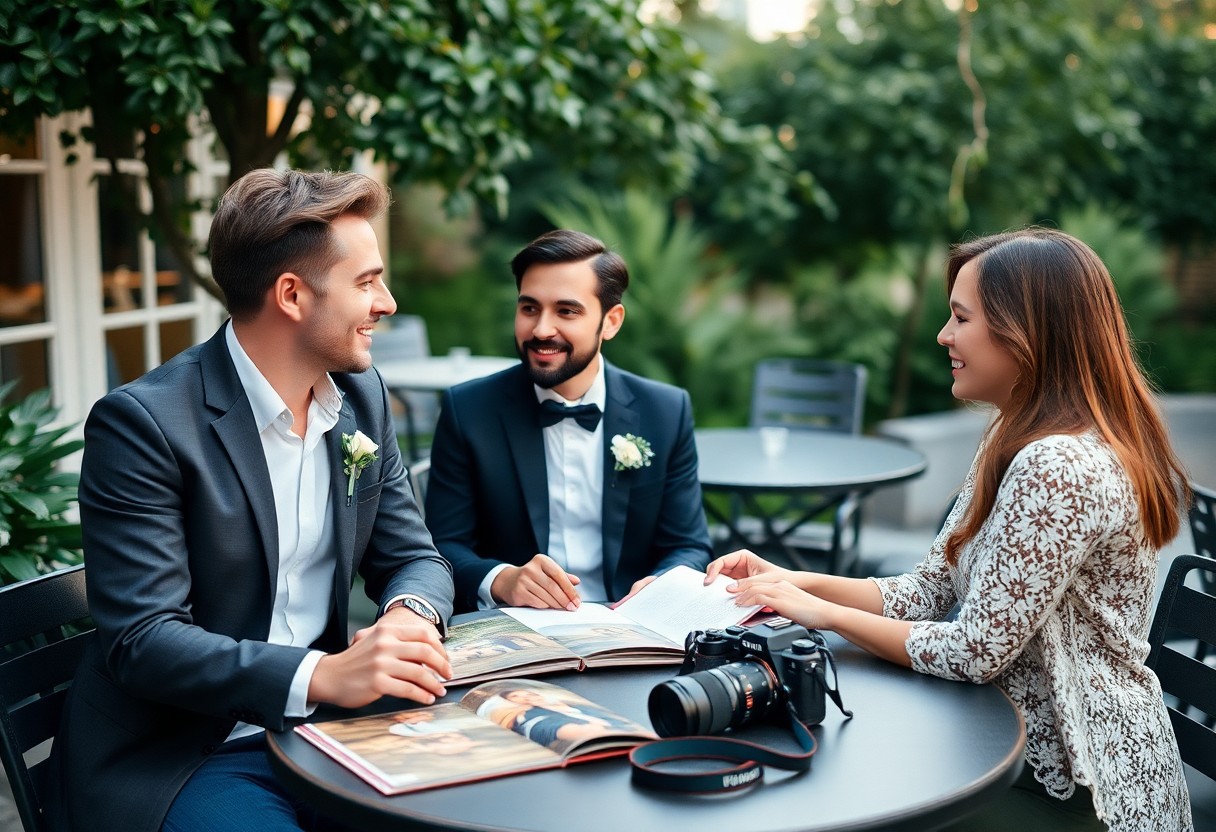
Just as every love story is unique, so too is your search for the perfect wedding photographer. This guide will walk you through practical steps to help you identify a photographer who not only captures the essence of your special day but also resonates with your personal style. From understanding your vision to evaluating portfolios, you’ll gain insights that will empower you to make an informed decision, ensuring that your wedding memories are beautifully captured for years to come.
Crafting Your Vision
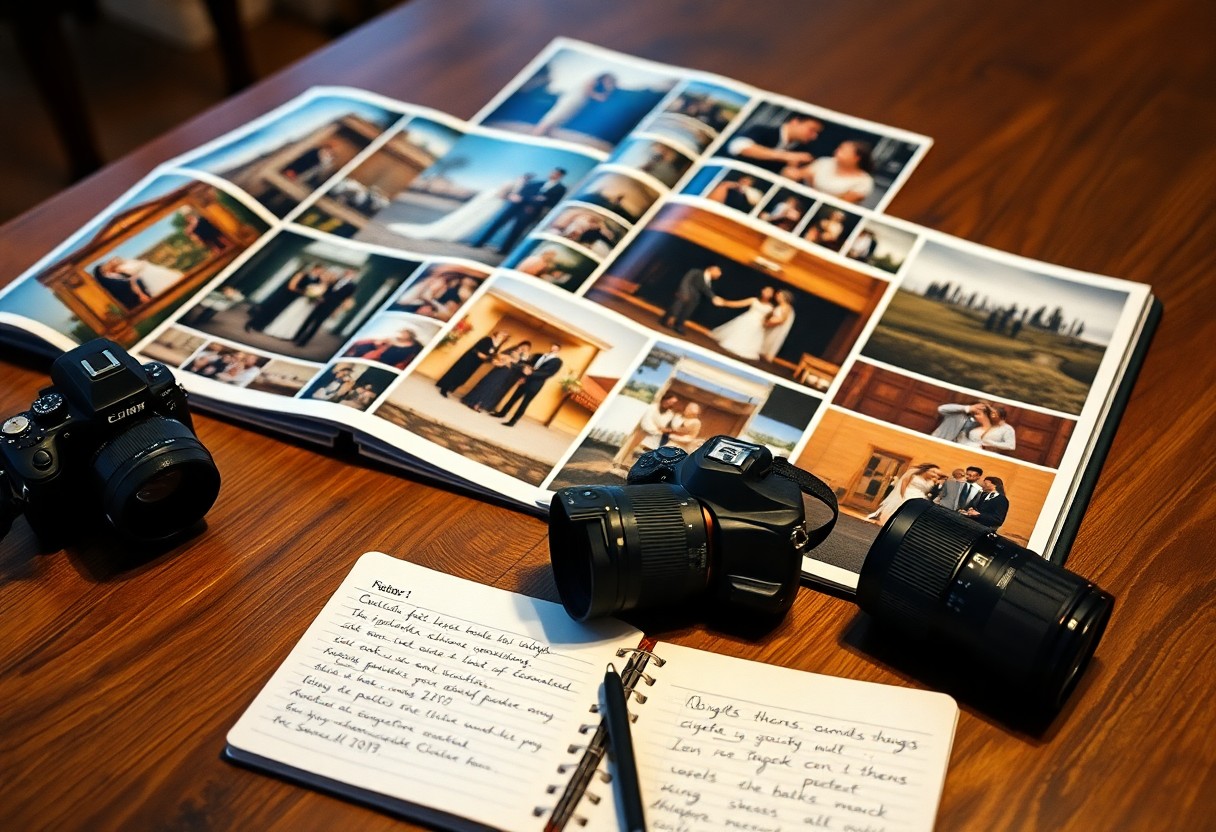
Establishing a clear vision for your wedding is the foundation of a personalized photography experience. This involves visualizing not just the colors and themes, but the emotions you want to capture throughout the celebration. Think about how you want your love story to be told through images, and don’t hesitate to gather inspiration from various sources, such as Pinterest, wedding blogs, or even social media platforms. All these elements help create a cohesive look that will resonate with your photographer as you discuss your aspirations.
Defining Your Wedding Style
Your wedding style shapes the atmosphere and aesthetic of your big day. Consider the colors, decorations, attire, and venue that will reflect your personality and relationship. Are you leaning towards rustic elegance, modern minimalism, or perhaps a vintage charm? By articulating your wedding style, you can better communicate with your photographer, ensuring they understand the visual narrative you wish to convey through imagery.
Setting Your Photography Priorities
Identifying your photography priorities enables you to focus on what matters most to you during the wedding day. Evaluate key moments you hope to capture, such as the emotional first look, the heartfelt vows, or fun interactions among guests. Additionally, structure your timeline around these moments to ensure your photographer can be in the right place at the right time. This thoughtful planning allows for a seamless experience that not only captures the essence of your day but also reflects your unique story.
For instance, if candid moments are at the top of your list, let your photographer know that you prefer a more photojournalistic approach, allowing them to capture genuine emotions as they unfold throughout the day. Alternatively, if you envision elegant portraits, ensure there’s ample time allocated for formal shots, allowing for creative angles and lighting. By prioritizing these elements, you create a roadmap that guides your photographer, enabling them to focus on what truly matters to you, ensuring that your story is beautifully documented from start to finish.
Navigating the Photographer Marketplace
Exploring the world of wedding photographers can feel overwhelming, but breaking it down into manageable steps will make the process smoother. Start by identifying potential candidates in your area and reviewing their portfolios to gauge their styles, specialties, and quality. Leverage social media platforms and wedding websites where photographers showcase their work and connect with clients. This strategy will help you hone in on those whose artistic vision aligns with your own, setting the stage for a meaningful collaboration.
Researching Local Talents
Start by searching online for photographers within your vicinity, as local talents often understand the unique venues and backdrops in your area. Websites like Instagram and Pinterest can be rich resources for discovering creative photographers who resonate with your aesthetic. Attending bridal shows also presents an excellent opportunity to meet and connect with potential photographers personally, allowing you to get a feel for their personality and style.
Reading Reviews and Testimonials
Diving into the reviews and testimonials of previous clients provides valuable insights into a photographer’s professionalism, reliability, and overall quality of work. Genuine feedback can help reveal what others loved or noticed about their experience, guiding you toward making an informed decision.
When sifting through reviews, look for testimonials that highlight specific aspects of the photographer’s service, such as their communication skills, ability to manage unexpected situations, or how they captured candid moments. Pay attention to patterns in the feedback; consistent praise for a photographer’s creativity or commitment to meeting client needs is a good indicator of their reliability. Moreover, platforms like Google Reviews and wedding-specific sites like The Knot or WeddingWire can offer a broader picture of what you can expect, increasing your confidence in your choice.
Evaluating Photographic Styles
Exploring different photographic styles is necessary for aligning your vision with your wedding photographer’s approach. This is where you need to dig deeper, considering how various photographers capture emotions, moments, and details. Pay attention to the use of lighting, composition, and editing techniques, which can influence the overall mood of your wedding album. The right style should resonate with you, enhancing not just the aesthetics of your photos, but also the storytelling element that will evoke memories for years to come.
Identifying Your Aesthetic Preferences
Your aesthetic preferences shape how you envision your wedding day documentation. Consider whether you’re drawn to classic, candid, or artistic photography. Think about color schemes and lighting—do you prefer bright and airy or dark and moody? Reflecting on inspiration from wedding blogs or social media can help clarify your style. Pinpointing these likes and dislikes will guide your search for a photographer who matches your vibe.
Comparing Portfolio Samples
Reviewing portfolio samples reveals a photographer’s personal style and expertise. As you analyze these collections, look for consistency in quality and the emotions captured in their photos. This is not only about technical skill but also about how they convey the essence of various wedding moments through their lens. A diverse portfolio showing different wedding settings and styles can also provide insights into how adaptable they are to different environments.
| Emotional Range | Look for images that convey feelings—laughter, tears, and joy are pivotal moments to capture. |
| Technical Skill | Evaluate the sharpness, lighting, and composition; consistency indicates a well-practiced photographer. |
| Variety of Shots | Ensure they include a mix of portraits, candids, and detail shots to give a holistic view of the day. |
| Final Editing Style | Pay attention to color palette and editing techniques—these should align with your aesthetic. |
When comparing portfolio samples, take time to reflect on how each photographer portrays love stories uniquely. This exploration goes beyond surface-level imagery; it helps you gauge how they capture fleeting moments that represent the essence of your relationship. Look for photographers who consistently evoke emotion through their work—this will result in a collection that resonates with your narrative. Solid portfolios will also often highlight a diverse range of settings, showcasing adaptability to various wedding styles, which can be particularly important for your special day.
| Reputable Client Feedback | Reviews or testimonials can provide an added layer of assurance regarding the photographer’s style and service. |
| Versatile Experience | Photos from multiple weddings reveal how effectively the photographer has navigated different environments and styles. |
The Interview Process: Uncovering the Right Fit
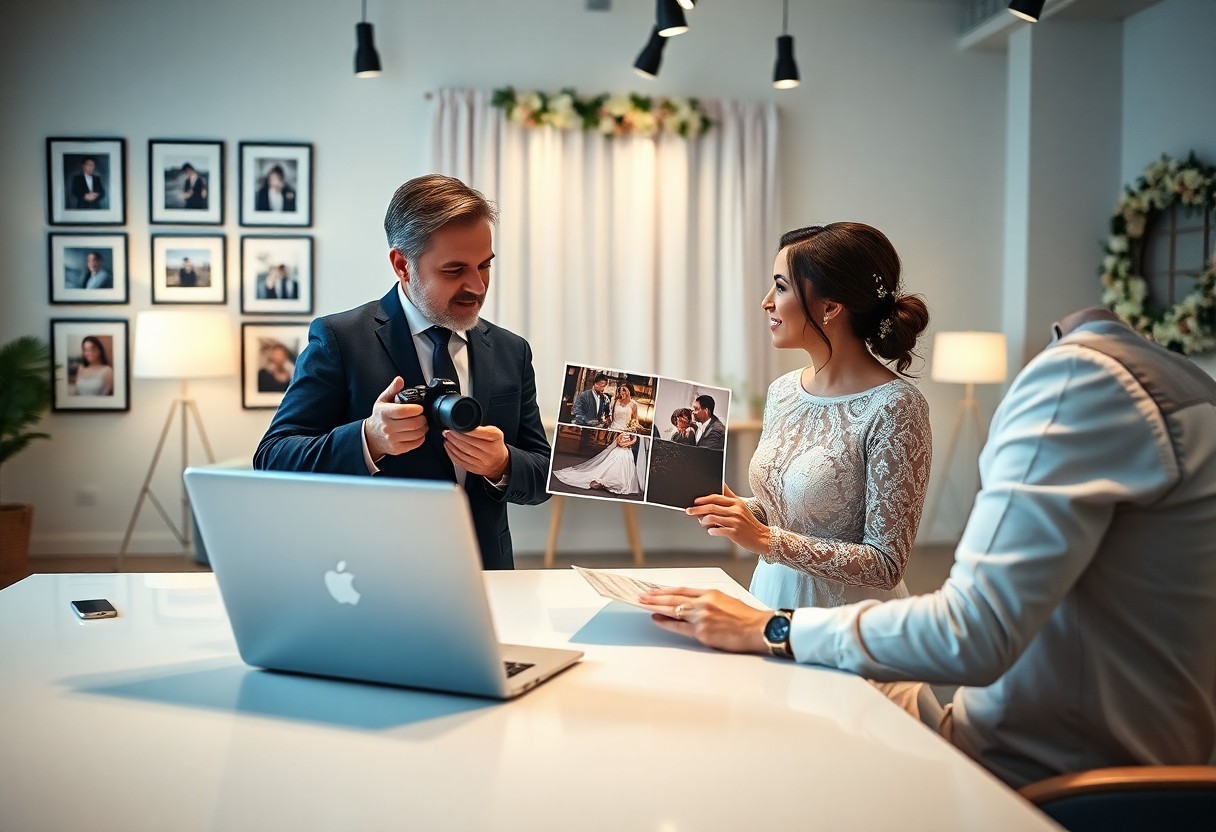
You’ve sifted through portfolios and narrowed down your choices; now, it’s time to dive deeper. The interview process is your opportunity to connect with potential photographers and determine if they align with your vision and personality. This isn’t just about assessing skills; it’s about finding a photographer who understands you and will make you feel comfortable on one of the most important days of your life.
Preparing Questions That Matter
Crafting effective questions is vital in your search for the right photographer. Consider asking about their experience with similar weddings, how they handle unexpected situations, and their creative process. Questions regarding their timeline for delivering photos or their backup plan in case of equipment failure can also provide valuable insight. Tailor your inquiries to focus on what truly matters to you, ensuring a productive conversation.
Assessing Communication and Compatibility
Your wedding photographer should resonate with you on a personal level. During interviews, observe their communication style, responsiveness, and openness to your ideas. A photographer who listens attentively and engages in a dialogue about your vision indicates that they are genuinely interested in capturing your unique story. This relationship will significantly influence how comfortable you feel on your wedding day and how effectively they can document your emotions and moments. A good fit involves not just shared aesthetics but also compatible personalities, ensuring a seamless working relationship.

Balancing Budget and Value
Finding a personal wedding photographer involves striking a balance between your budget and the value you receive. A stunning portfolio may entice you, but it’s vital to assess what you’re willing to spend. Base your decisions on the quality of work, experience, and how well the photographer aligns with your vision rather than just the price tag. Allocate funds wisely to ensure you’re investing in moments that will last a lifetime.
Understanding Pricing Structures
Pricing structures for wedding photography can vary significantly. Some photographers offer package deals that include edited images and the number of hours of coverage, while others charge a la carte for individual services. Knowing the average cost—ranging from $1,200 to $3,500 for weddings—helps you gauge where a photographer’s rates stand in relation to the market. Transparency in pricing details will enable you to better evaluate what’s included in your investment.
Negotiating Contracts and Deliverables
Negotiation is key when it comes to contracts and deliverables. Open communication with your photographer allows you to tailor packages to fit your financial and artistic needs. Discuss the specifics of what you’re receiving, such as the number of edited photos, the timeline for delivery, and any additional services, like an engagement session. Make sure the contract clearly outlines these elements to avoid misunderstandings later.
Negotiating your contract shouldn’t feel intimidating; view it as a collaborative process. For example, if a photographer usually charges a flat fee for wedding services, consider asking if they can offer a reduced price in exchange for promotional consideration or a referral. Photographers may be open to customizing their standard packages to better fit your budget while still providing the quality and service you expect. Ensure both parties feel confident about the final agreement to foster a positive working relationship.
Final Words
Summing up, finding a personal wedding photographer that aligns with your vision starts with understanding your style and needs. Research local professionals through portfolios and reviews, and don’t hesitate to reach out for consultations. Establish clear communication about your expectations, budget, and timeline to ensure a smooth collaboration. By prioritizing these elements, you can secure a photographer who truly captures the essence of your special day, making it memorable for years to come.


Leave a Reply
You must be logged in to post a comment.