

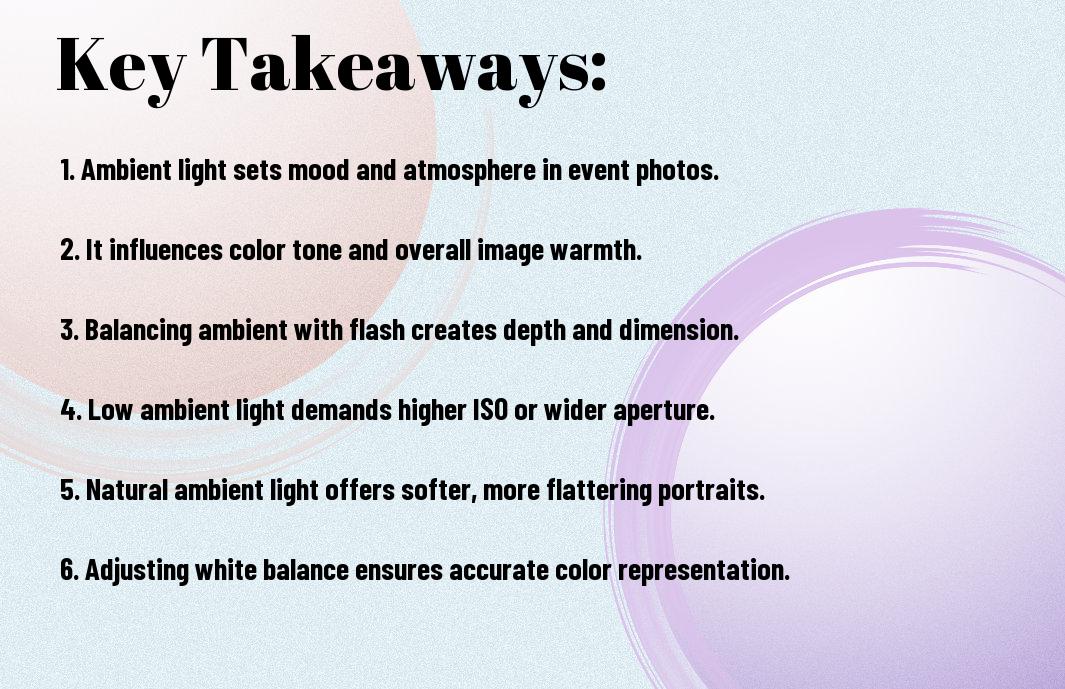
Ambient light sets the mood and atmosphere of your event photography, influencing the emotional resonance of your images. As you capture moments, understanding how to leverage this natural illumination can elevate your work, helping to elicit authentic reactions from your subjects. It’s crucial to recognize the balance between ambient light and your camera settings, allowing you to create stunning visuals that convey the true essence of the occasion. In this post, we will explore the significance of ambient light and its various effects on your photographic artistry.
The Fundamental Influence of Light on Visual Storytelling
Light serves as the primary canvas on which your visual stories unfold, dictating narrative intention and emotional resonance in each shot. You have the power to manipulate this vital element, weaving a compelling story through careful lighting choices. Shadows, highlights, and the interplay of tones create depth and context, enhancing the viewer’s understanding of the moment. Whether it’s the glow of golden hour or the stark contrasts of an industrial venue, the quality and presence of light shape your storytelling landscape.
The Science of Light: Understanding Color Temperature and Quality
Understanding the nuances of color temperature and light quality is key in event photography. The following table breaks down crucial aspects to consider:
| Aspect | Description |
|---|---|
| Color Temperature | Measured in Kelvin (K), it affects the warmth or coolness of the light, influencing mood. For example, daylight is around 5500K, while candlelight sits around 1900K. |
| Quality of Light | Refers to the softness or hardness of light. Softer light from diffused sources creates flattering portraits, while hard light produces defined shadows, enhancing drama. |
How Ambient Light Shifts the Mood and Narrative of an Event
Ambient light plays a pivotal role in conveying emotions and setting the tone of your photographs. The subtle hues and qualities of light can evoke feelings of warmth, excitement, or even melancholy depending on the environment. For instance, a soft, warm light at a wedding can envelop moments in tenderness, while stark, harsh lighting at a corporate event can suggest professionalism and seriousness. Your ability to read the light and adjust your approach informs how the narrative unfolds, enhancing the storyline you capture and allowing viewers to feel the intended emotions.
Consider a dance floor illuminated by pulsating colored lights versus a quiet, candlelit dinner. Each scenario tells a different story, influenced heavily by the ambient light. At a lively event, dynamic lighting might amplify energy and emotion, capturing the vibrancy of the moment. Conversely, softer, dim lighting can foster intimacy, drawing the viewer into more personal exchanges. Understanding these atmospheric shifts equips you to harness the ambient light creatively, ensuring your images resonate with authenticity, depth, and narrative richness.
Mastering the Art of Ambient Light Composition
Understanding how to compose your shots with ambient light transforms your photography from mere snapshots to compelling narratives. By being aware of how light interacts with your subjects and backgrounds, you can highlight emotions and create mood, simulating the experience for your viewers. Composing with ambient light requires practice and a keen eye for observation, enabling you to anticipate how shifting light conditions will affect your images. Once you harness these techniques, your ability to capture the essence of an event will significantly elevate your work.
Techniques for Capturing Natural Light in Various Settings
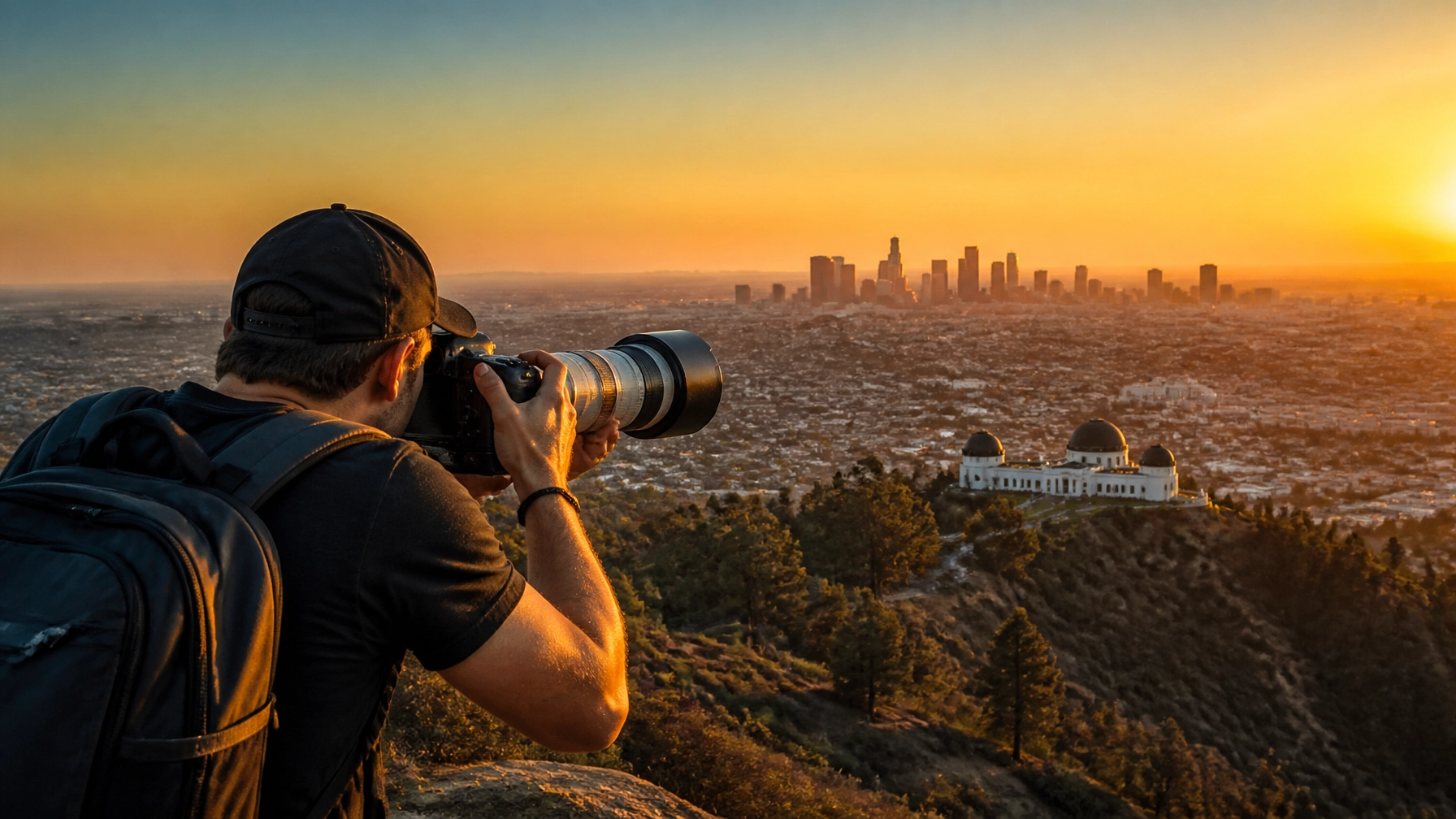
To capture natural light effectively in diverse settings, take advantage of the golden hours—early morning and late afternoon—to evoke warmth and softness. Experiment with your surroundings; reflectors can redirect light, while shaded areas mitigate harsh sunlight. Position yourself in relation to light sources, such as windows or outdoor venues, and utilize your camera’s settings to enhance clarity and vibrancy. Each environment offers unique characteristics that elevate your photography, demanding adaptability and creativity on your part.
Balancing Ambient Light with Flash for Depth and Dimension
Seeing light as a dynamic element is integral to mastering your shots. When you introduce flash alongside ambient light, you create a layered effect that adds depth and dimension to your images. This mixture allows you to illuminate your subject without overpowering the natural surroundings, enriching color contrasts and enhancing focus. It’s about striking the right balance—using flash to fill shadows while preserving the essence of ambient light, resulting in a more compelling scene with texture and life.
Achieving balance between ambient light and flash requires some experimentation. Start by adjusting your flash output to a lower power setting, enabling the ambient light to dominate the image while the flash subtly adds highlights to your subject. Fine-tune your ambient settings to avoid overexposure, and use techniques like second-curtain sync to capture motion with a natural flow. This ensures your images maintain a cohesive look, where ambient light frames your subject without overshadowing it, inviting viewers to engage with your narrative more vividly.
Ambient Light Challenges: Common Pitfalls and Solutions
A multitude of factors can hinder your ability to harness ambient light effectively, from unpredictable natural lighting to artificial sources that create unwanted shadows or highlights. One common pitfall is relying too heavily on natural light without considering how the time of day and weather conditions can drastically alter your shooting environment. Additionally, understanding the nuances of mixed lighting and color temperature can make or break your shots. By acknowledging these challenges upfront and preparing with practical strategies, you can elevate your event photography, ensuring that ambient light enhances rather than detracts from your final images.
Managing Low-Light Situations Without Compromising Quality
In low-light conditions, maintaining image quality can be a real challenge. Utilizing a wide aperture lens, ideally with a low f-stop, allows more light to hit the sensor, making it easier to capture sharp images. Increasing your ISO setting can also help, but be cautious of introducing noise. Investing in a sturdy tripod stabilizes your shots, while also enabling longer exposure times without losing clarity. Employing techniques like bracketing—where you take multiple exposures at different settings—can mitigate low-light challenges effectively. This approach gives you a variety of options when it comes to post-processing.
Overcoming Harsh Lighting Environments to Maintain Aesthetic Integrity
Harsh lighting can lead to unflattering shadows and highlights, making your subjects look less appealing. Use reflection and diffusion techniques to soften these stark contrasts. Consider employing reflectors to bounce light back onto your subjects, filling in shadows and creating a more balanced look. Additionally, you can incorporate off-camera flash or LEDs to counterbalance the strong light sources, offering a more cohesive lighting setup. Finally, strategically positioning your subjects in relation to the light source allows you to capture flattering angles, reducing the impact of harsh lighting while preserving the natural ambiance of the event.
Flattering your subjects in so-called ‘bad lighting’ hinges on creative solutions. When faced with direct sunlight, try positioning them in shaded areas or using objects in the environment—like trees or buildings—to diffuse light. If your setting features overhead fluorescents or harsh LEDs, soft white balance can neutralize color casts, providing a more natural look. Another effective tactic is to experiment with backlighting or lens flares, adding an artistic element to your images. The essence lies in adapting to your environment—always keeping in mind the drama that can transform seemingly unfortunate lighting into an integral part of your story.
Innovative Approaches to Harnessing Ambient Light
Exploring innovative techniques allows you to leverage ambient light in unexpected ways. Look beyond traditional methods and consider using the environment creatively. Experimenting with varying locations, angles, and times of day opens doors to unique effects. Embrace the idea of integration, where your subjects and surroundings harmonize under ambient illumination, resulting in striking visual storytelling. These innovative approaches not only enhance your photography but also invite viewers into a more immersive experience.
Using Reflections and Surfaces to Enhance Illumination
Reflections can drastically change the perception of light in your images. Utilizing glossy surfaces, mirrors, or even water can bounce ambient light, creating brilliant highlights and interesting compositions. By positioning your subject in relation to these reflective elements, you add depth and intrigue to your shots, maximizing the available light.
Creative Use of Shadows to Add Drama and Interest
Shadows can be your ally in crafting compelling visuals. By strategically positioning your subjects or adjusting the light source, you can create elongated or stark shadows that add layers of emotion and intrigue to your photographs. The interplay of light and shadow tells a story, enhancing the narrative quality of your work while evoking a sense of drama.
Utilizing shadows effectively transforms ordinary scenes into captivating narratives. For instance, at sunset, consider positioning your subject to cast dramatic silhouettes against vibrant sky hues. Alternatively, use harsh midday light to create striking contrasts, emphasizing textures and shapes. Consider incorporating architectural elements that produce strong lines and vivid patterns through shadow play. By embracing these techniques, you not only manipulate light but also invite your audience on a visual journey filled with tension and fascination. Engaging with shadows encourages dynamic compositions that elevate your images from simple depictions to artistic explorations.
The Photographer’s Perspective: Real-World Experiences with Ambient Light
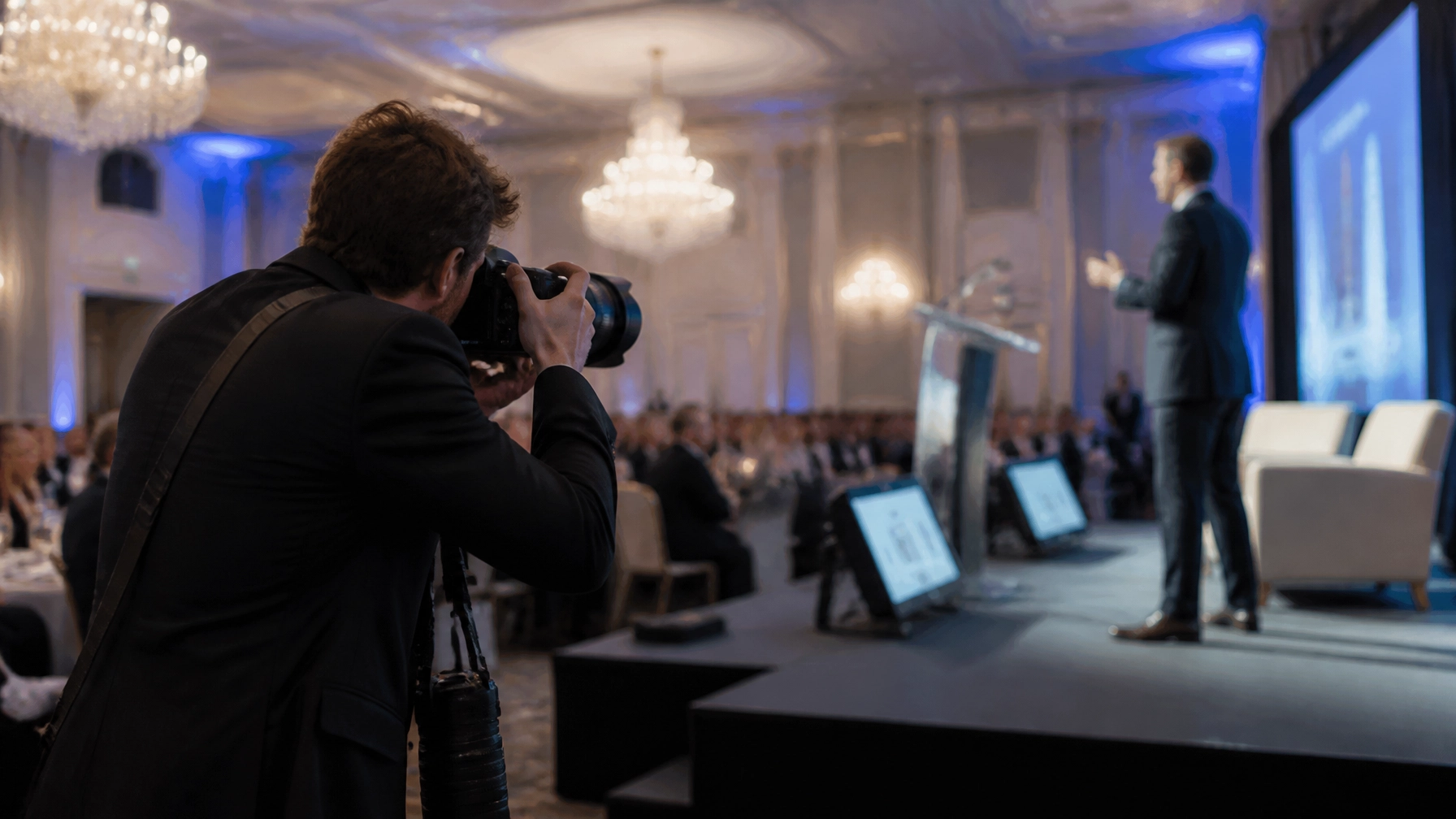
From behind the camera, you will witness firsthand how ambient light influences every shot. Experienced event photographers understand that each venue presents unique lighting challenges, whether from harsh overhead fluorescents or beautifully diffused natural light streaming through windows. Adjusting your settings and utilizing available light can transform ordinary moments into extraordinary images, creating a captivating narrative. You’ll learn to rely on instinct and experience, making swift decisions to capture fleeting, authentic moments that tell the real story of the event.
Lessons Learned from Event Photographers on Light Utilization
Event photographers frequently share that the key to mastering ambient light lies in understanding its various qualities. Some emphasize the importance of positioning yourself strategically to take advantage of natural light sources, while others highlight the benefits of blending ambient light with artificial sources for a more balanced exposure. Staying adaptable in changing lighting conditions, such as moving from bright outdoor settings to dim interiors, has become a common lesson tightly woven into their photographic journeys.
The Evolution of Techniques with Advancements in Equipment
Technological advancements have dramatically reshaped how photographers approach ambient light. With newer cameras featuring enhanced sensors and improved low-light performance, you can rely on higher ISO settings without sacrificing image quality. Equipment such as bounce flash units and portable LED lights have also been integrated into standard gear, allowing for innovative methods to mix ambient and additional lighting seamlessly. This evolution not only improves your efficiency but also enhances creative possibilities for capturing the true essence of an event.
Historically, event photographers were often constrained by the limits of film or lower-quality digital sensors; any miscalculation in exposure could mean a lost shot. Now, with modern cameras boasting ISO capabilities upwards of 12,800, capturing an image in dim lighting is more feasible than ever. The use of software like Lightroom further allows for real-time adjustments. The rise of mirrorless cameras, with their electronic viewfinders, presents the advantage of seeing exposure effects as you compose, empowering you to experiment and capitalize on ambient light in creative ways previously thought impossible.
Summing up
On the whole, understanding the role of ambient light in event photography allows you to elevate your work significantly. By taking advantage of the natural light present at your venue, you can create a distinctive atmosphere that enhances the storytelling aspect of your images. Pay attention to how light interacts with your subjects and surroundings, adjusting your settings accordingly to capture the essence of the moment. This approach not only enriches your visual narrative but also showcases your technical skills as a photographer, ultimately leading to more captivating photographs.



Leave a Reply
You must be logged in to post a comment.