
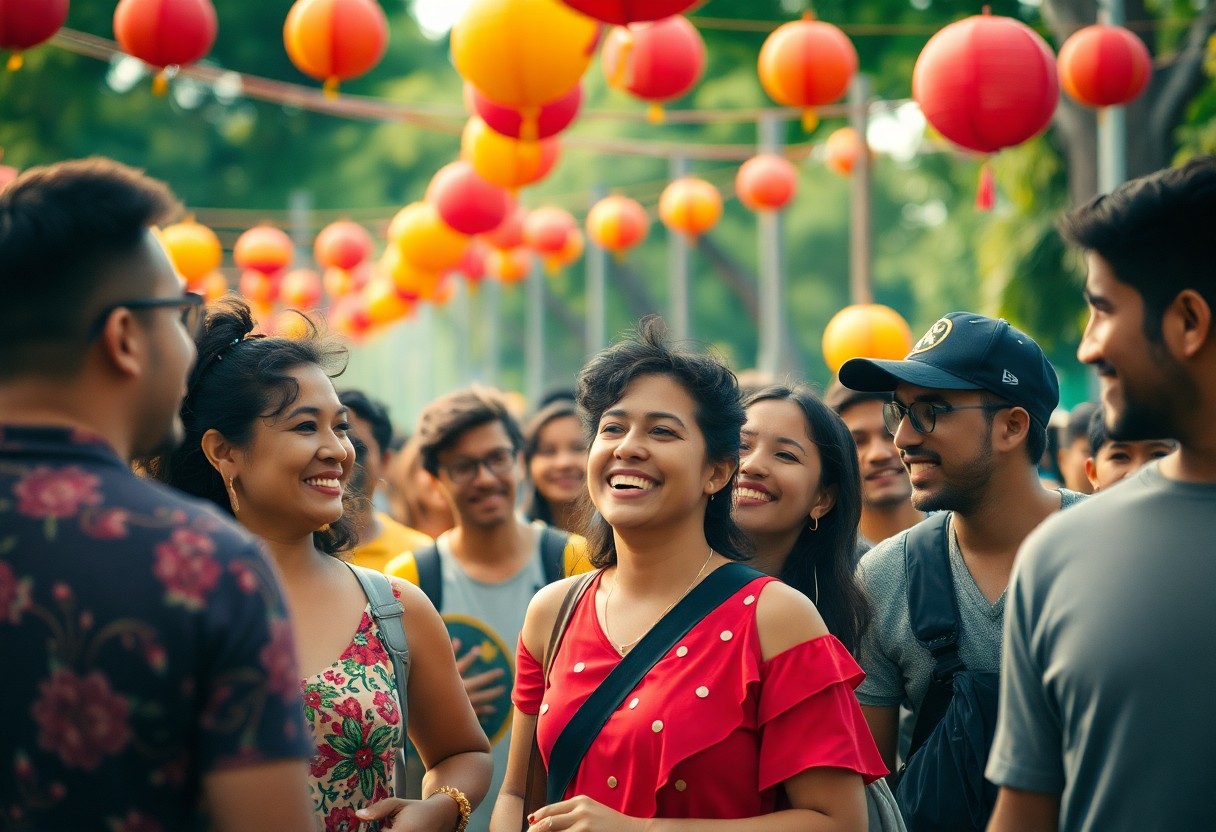
It’s often fascinating to consider how events, imbued with emotion and energy, can be transformed into lasting memories through the lens of photographic artistry. As a reader seeking to understand this intricate process, you may wonder how photographers balance technical skill with their subjective interpretation of unforgettable moments. In this post, we’ll explore the techniques and artistic vision that enable photographers to capture the essence of experiences, allowing you to appreciate how visual storytelling can immortalize fleeting occasions.
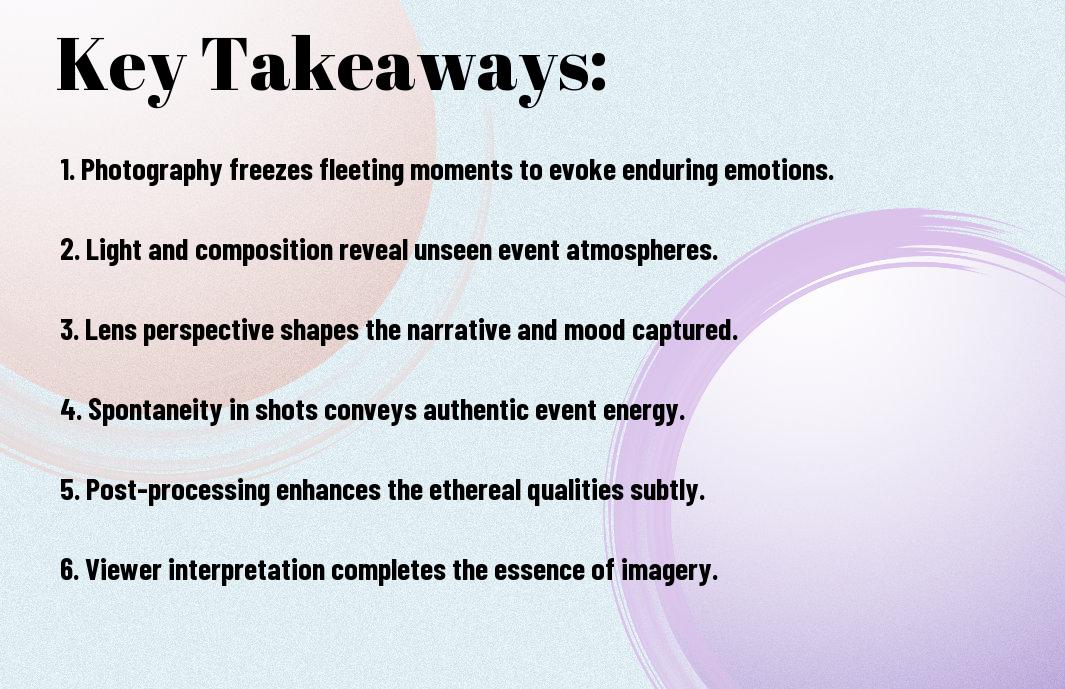
The Art of Capturing Emotion
Emotion is the heartbeat of photography, providing depth and resonance to your images. By tapping into the emotional undercurrents of a moment, you don’t just capture a scene; you convey a narrative that speaks to viewers on a personal level. Whether it’s joy, sorrow, or nostalgia, the ability to encapsulate these feelings transforms ordinary snapshots into meaningful works of art, allowing your audience to connect with the essence of the event.
The Psychology of Visual Storytelling
The human brain is wired to respond instinctively to visual stimuli, reacting to colors, shapes, and expressions. Through careful composition and the strategic use of lighting, you can manipulate your images to evoke specific emotional reactions. For instance, warm tones can instill happiness, while shadows might invoke a sense of melancholy. By understanding these psychological principles, you can craft images that tell compelling stories, resonating with viewers’ feelings and experiences.
Techniques for Evoking Feelings Through Images
Utilizing various techniques can enhance the emotional impact of your photography. Consider employing a shallow depth of field to isolate your subject, creating an intimate connection. Experiment with angles and perspectives to elicit different emotional responses—shooting from above can convey vulnerability, while a low angle might suggest strength. Additionally, candid moments, devoid of posed expressions, often reveal genuine emotions, allowing your audience to feel the event’s atmosphere.
Balancing composition and emotion enhances your storytelling. For instance, framing a subject against a backdrop that reflects their emotional state—like a lone figure standing beneath dark storm clouds—deepens the narrative. Incorporate leading lines to guide the viewer’s eye towards key emotional elements, ensuring the focus remains on the story at hand. Paying attention to these technical aspects allows you to create photographs that resonate, fostering not just an image but a lasting emotional connection with your audience.
Transcending Reality: The Role of Abstract Concepts
Abstract concepts play a vital role in event photography, allowing you to evoke emotions and ideas that extend beyond the physical presence of the moment. By incorporating elements like light, shadow, and perspective, you can create images that resonate on a deeper level, inviting viewers to interpret the event through their own experiences. This transcendence transforms simple snapshots into powerful narratives, reflecting the unique essence of each occasion while inviting contemplation and connection.
How Symbolism Transforms Event Photography
Symbolism imbues your event photographs with layers of meaning, turning an ordinary moment into something extraordinary. For example, a single red rose can represent passion during a wedding, while a candle may symbolize remembrance during a memorial service. By thoughtfully incorporating symbols, you elevate your work, allowing recipients to decode these layers of meaning and enabling the images to speak volumes beyond their surface representation.
Creating Narratives Beyond the Moment
Your event photography has the potential to create rich narratives that resonate long after the event concludes. Each photograph serves as a chapter in a larger story, capturing not just the subjects but their emotions, interactions, and the overall atmosphere. By using techniques like juxtaposition and framing, you can weave together a tapestry of moments that collectively convey a deeper understanding of the event’s significance.
Crafting these narratives often involves strategic choices in composition and timing. For instance, capturing a candid laugh amid a posed portrait adds a sense of authenticity and spontaneity to the narrative. Meanwhile, using varying focal lengths can create a visual hierarchy, drawing attention to key moments that are part of a larger storyline. Consider the poignant moments that often escape more traditional photography; these fleeting instances may become the heart of the narrative, leaving an enduring impression on viewers. By focusing not just on what is visible, but on what is felt, you can transform each image into a compelling story that transcends the event itself.
The Intersection of Technology and Creativity
In today’s rapidly evolving digital landscape, the convergence of technology and creativity illuminates new pathways for photographers striving to encapsulate the ephemeral nature of events. The integration of sophisticated equipment, software, and techniques allows you to push boundaries, resulting in stunning visual narratives that reflect both the vibrancy and intricacies of human experiences. Embracing this synergy not only enhances technical prowess but also invites a fresh wave of innovation, enabling unique storytelling that resonates deeply with viewers.
Innovative Tools for Enhancing Photographic Depth
A range of innovative tools, from advanced lenses to professional editing software, empowers you to add profound depth and dimension to your photography. Utilizing tools like tilt-shift lenses can allow for selective focus, drawing attention to specific elements while creating a mesmerizing bokeh effect in the background. Moreover, apps that facilitate augmented reality (AR) applications are transforming traditional photography by inviting an interactive experience, thus allowing viewers to connect with your creations on a more immersive level.
The Impact of Digital Manipulation on Artistic Expression
Digital manipulation fundamentally alters how you approach and express your artistic vision in photography. This technique allows for the seamless blending of multiple images, alterations in lighting, or even the introduction of fantastical elements. As a result, your photographs can transcend mere documentation, evolving instead into expressive works that convey emotions and abstract concepts. Each adjustment offers you a chance to explore themes that challenge perceptions and spark deeper engagement with your audience.
The impact of digital manipulation extends beyond visual aesthetics; it invites discussions on authenticity and the creative process itself. By leveraging tools like Photoshop or Lightroom, you not only enhance color tones or contrast but also create composites that reflect conceptual narratives. Think of famous artworks where layers of reality collide—this technique enables you to showcase underlying themes, manipulate visual space, and provoke thought—all while maintaining a personal style. It transforms your event photography from straightforward documentation to a canvas for artistic interpretation, enriching your storytelling capabilities in the process.
The Observer’s Perspective: Subjectivity in Art
Your interpretation of a photograph is influenced heavily by your own experiences, shaping how you perceive the emotions and messages conveyed. Personal history colors the lens through which you view art. For instance, an image capturing a serene landscape may evoke nostalgia for some, while others might feel a sense of isolation, depending on their past associations with similar scenes. Each viewer brings a unique narrative, transforming the artwork into a reflection of their own life journey.
How Personal Experiences Influence Interpretation
Personal experiences act as the filter through which art is comprehended. A photograph of a bustling city square might resonate profoundly with someone who cherishes urban life, while evoking overwhelming anxiety for a person who feels uncomfortable in crowd settings. This divergence illustrates how background, memories, and sentiments intertwine with artistic expression.
Balancing Artistic Intent with Viewer Reception
Artistic intent and viewer reception create a dynamic interplay that can either enhance or confuse the message of a photograph. You might find yourself pondering whether the artist’s vision aligns with your understanding. A photographer may capture a powerful social commentary, yet audience interpretation can diverge significantly based on personal biases or cultural contexts. This dissonance requires artists to consider how their work can resonate broadly while still remaining true to their own aesthetics.
Engaging in this delicate balance invites you to reflect on how your perspective might differ from the artist’s original intent. For example, a conceptual piece intended to critique consumerism might be viewed as nothing more than an appealing visual for some, while others grasp its deeper implications. This inconsistency illustrates the complexity of art, urging creators to articulate their messages clearly while leaving space for individual interpretations. By embracing this duality, art evolves beyond its initial conception, fostering richer dialogues between the observer and the creator.
Cultivating the Ethereal: Practical Strategies for Photographers
As you look into photographic artistry, employing specific strategies can help you cultivate that ethereal quality in your work. Engage deeply with your environment to capture fleeting moments that evoke emotion and wonder. Experiment with various techniques such as using natural light, choosing unconventional angles, and incorporating movement to create visual poetry. By harnessing these approaches, your images can transcend mere representation, capturing the essence of experiences that leave a lasting impression on viewers.
Methods for Enhancing Atmosphere in Photographs
To elevate the atmospheric qualities of your photographs, embrace elements like soft focus, intentional blurring, and monochromatic palettes. Natural elements such as fog, mist, or golden hour light infuse depth and intrigue into your scenes. Utilizing filters or post-processing techniques can enhance colors and textures, effectively drawing the viewer into the mood you wish to convey. Each of these methods can evoke emotional responses, showcasing atmospheres that resonate with the transient beauty of life.
Building a Unique Style to Reflect the Ephemeral
Cultivating a personal style in your photography is vital for conveying the ephemerality of moments. Consider the themes and emotions that resonate with you, as well as the techniques that feel most authentic in your work. Incorporate signature elements—be it a specific color palette, composition style, or method of storytelling—that distinguish your photography from others. Pay attention to how each of your images reflects your vision and emotional intent, as this individuality will ultimately forge a unique connection with viewers.
Developing a distinctive voice in your photography demands both exploration and introspection. Start by analyzing influential photographers whose work inspires you, then experiment with their techniques or themes while injecting your personal flair. Document your growth through a collection of images and assess how they align or diverge from your vision. Consistently revisiting and refining your approach will help you articulate the ephemeral moments that define your artistic identity, culminating in a style that not only speaks to your experiences but also resonates deeply with your audience.
Summing up
With these considerations, you can appreciate that while photography serves as a powerful medium to capture the essence of events, your interpretation plays an equally vital role in its effectiveness. By focusing on emotional connections, composition, and the nuances of the moment, you can create photographic artistry that resonates deeply with viewers. Ultimately, your ability to evoke feelings and convey stories through imagery invites others to experience the ethereal essence of events, enriching their understanding and appreciation of the captured moments.




Leave a Reply
You must be logged in to post a comment.