
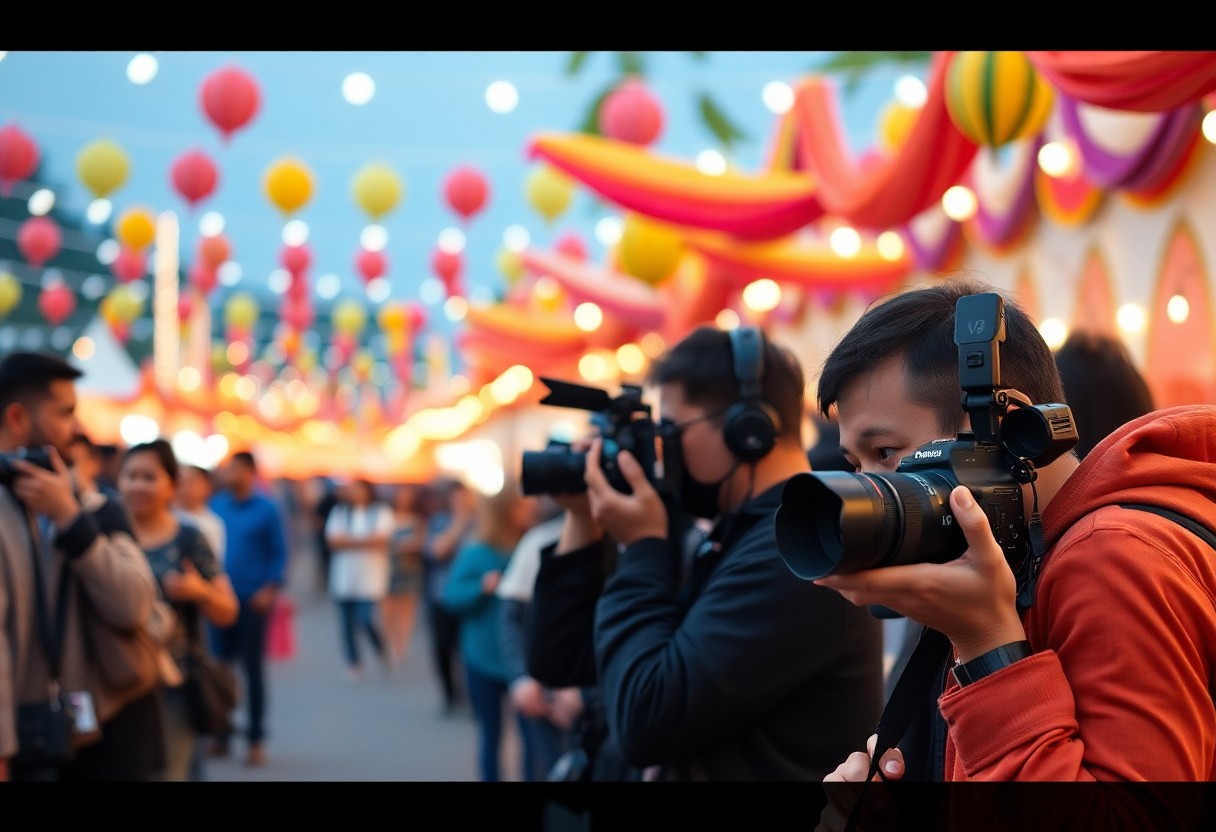
Just as every event tells a unique story, the art of event photography reveals hidden gems that enhance that narrative. In this guide, you’ll discover imperative tips and techniques that will elevate your photography skills, allowing you to capture those candid moments and intricate details often overlooked. From mastering lighting to identifying unique angles, these insights will help you create stunning visuals that truly reflect the essence of your events. Let’s research into the world of event photography and uncover what treasures await you behind the lens.
Capturing Authentic Moments: The Art of Candid Photography
Delving into candid photography allows you to seize those unguarded moments that often hold the most emotion. As guests interact, share laughter, or exchange meaningful glances, these authentic experiences become vivid memories you can immortalize. The essence of candid photography lies in your ability to blend into the backdrop, allowing life to unfold naturally without your lens shifting the atmosphere. This approach enriches your portfolio, adding depth and storytelling to your collection, making each image resonate with authenticity.
The Power of Spontaneity in Events
Spontaneity sets the stage for genuine emotions to surface, resulting in photographs that feel vibrant and alive. As people lose themselves in the moment, the most captivating shots emerge—an unexpected hug, a burst of laughter, or a child’s unfiltered joy. These spontaneous interactions encapsulate the spirit of the event and forge connections between the viewer and the subject, transforming a mere image into a treasured memory.
Techniques for Blending In and Observing
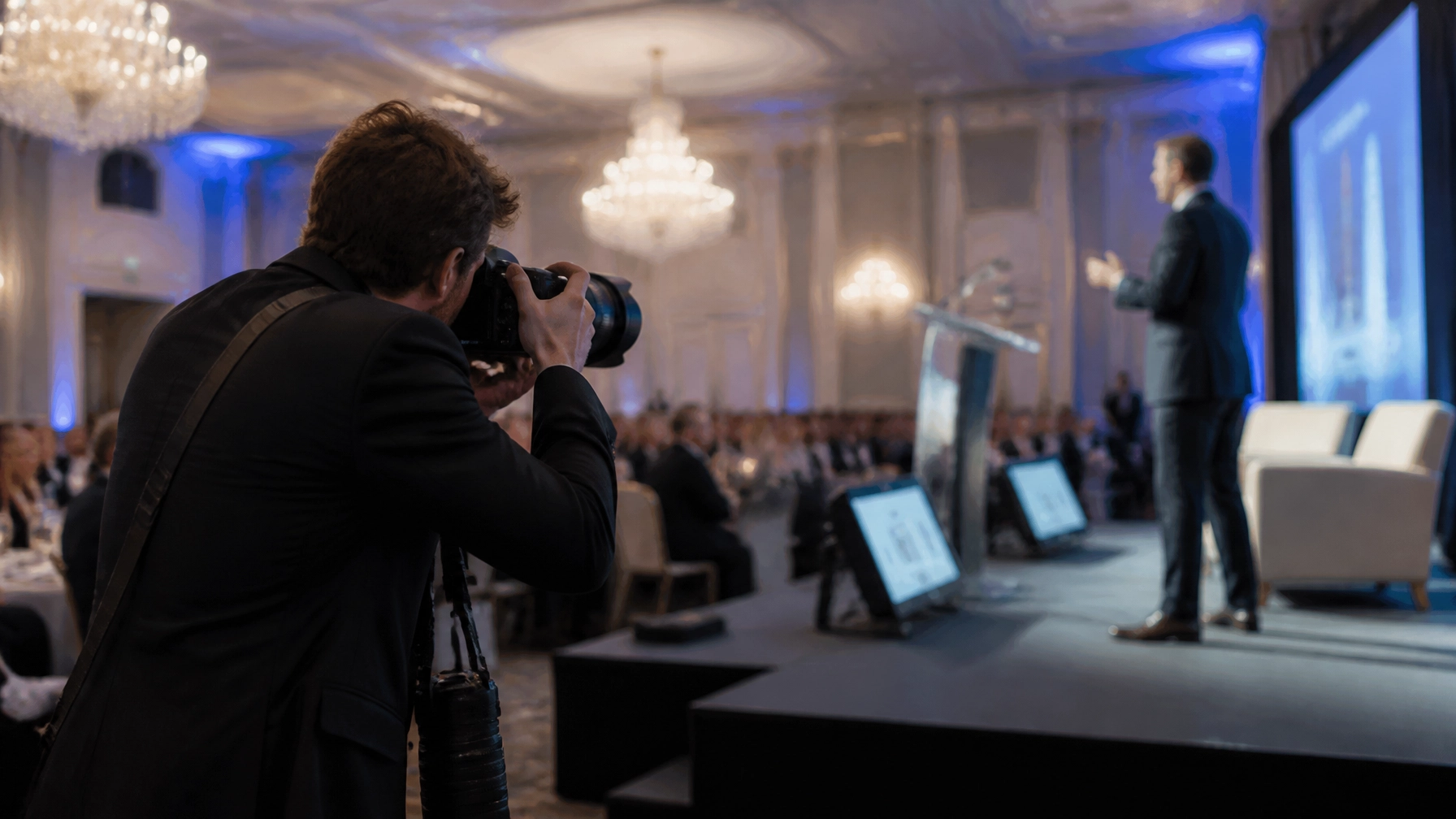
To master the art of candid photography, you must become an unobtrusive observer of the event. Dress appropriately for the occasion, adopting a style that aligns with the attendees. Use a longer lens to maintain distance, allowing you to capture moments without imposing yourself. Staying slightly off-axis while shooting skillfully avoids interrupting social interactions, facilitating genuine expressions and emotions that elevate your imagery into a storytelling medium.
Employing background knowledge about the event, such as key moments or emotional milestones, enhances your ability to anticipate significant moments. For example, if it’s a wedding, keep an eye on the bride and groom during heartfelt toasts or intimate dances, where emotions peak. Timing your shots for reactions adds layers to your photography. Additionally, staying mobile and varying your angles creates a more dynamic gallery that reflects the event’s ebb and flow, making your work not just a collection of images but a narrative journey.
The Intersection of Light and Emotion: Mastering Lighting Conditions
Understanding how to manipulate lighting can transform your event photography from average to extraordinary. Light not only enhances the visual quality of your images but also plays a key role in conveying emotion. By mastering various lighting conditions, you can capture the essence of the moment, whether it’s the soft glint of sunlight during a wedding ceremony or the vibrant colors of a corporate gala. Skilled photographers learn not just to use light, but to paint with it, creating depth, mood, and storytelling potential in each shot.
Natural vs. Artificial Light: Harnessing Their Strengths
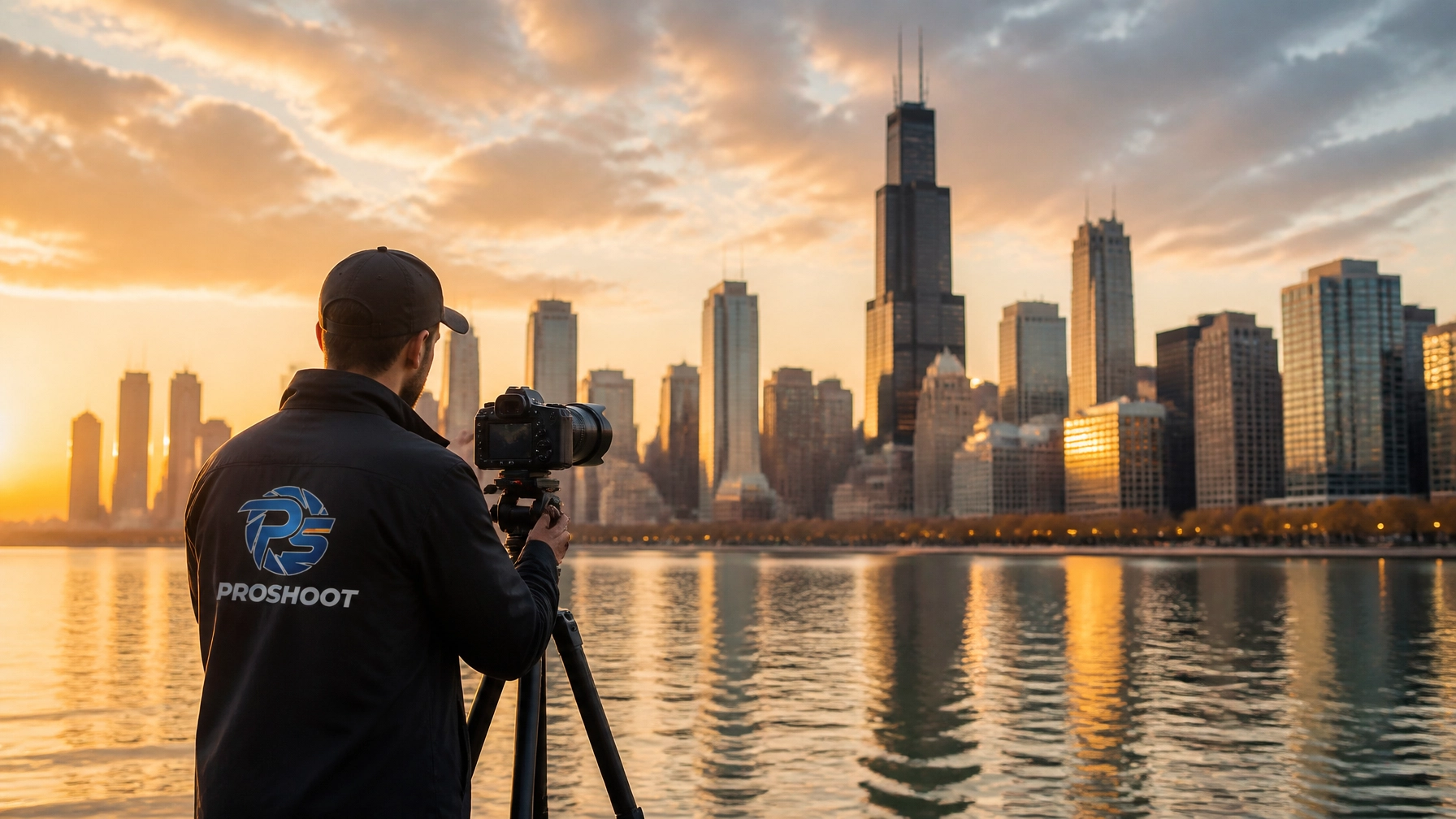
Natural light offers a dynamic quality that can infuse warmth and vibrancy into your photographs, while artificial light provides consistency and control in darker settings. Each option has its distinct advantages, and skilled photographers find their power in intelligent combinations. For outdoor events, harnessing the golden hour’s soft glow can create dreamlike portraits, while venues with dim lighting may benefit from portable flash or continuous lighting setups to keep the energy alive while ensuring sharp, clear images.
Creative Solutions for Challenging Lighting Scenarios
Encountering low light, harsh shadows, or backlighting presents a unique set of challenges, yet creative solutions abound to overcome them. Utilizing reflectors can bounce light into the subject’s face, softening shadows and illuminating details. Alternatively, adjusting your camera’s ISO settings allows you to capture brighter images without introducing noise, provided you maintain a steady hand or use a tripod. Shooting in RAW format gives you flexibility in post-processing, enabling adjustments to exposure and shadows without sacrificing quality.
Consider also employing off-camera flash techniques, which can help you control light direction and intensity, creating more dramatic effects or softening the harshness of direct light. Control your shutter speed to freeze action and enhance clarity in dynamic settings, while using a wider aperture can yield that beautiful blurred background. Color gels can add enchanting hues that transcend typical event photography, allowing you to craft unique atmospheres that reflect the spirit of the occasion. Experimentation and adaptability are key, leading to stunning, emotionally charged images regardless of lighting circumstances.
Beyond the Event: Telling a Story Through Details
Capturing the essence of an event transcends snapping pictures of guests and activities; it’s about weaving a narrative through the small, often overlooked details. These elements—like the intricacies of the venue, unique décor choices, and candid moments—play a pivotal role in showcasing the atmosphere and emotions experienced. Focus on capturing textures, colors, and arrangements that echo the event’s theme, as well as the subtle interactions and gravitating moments amongst attendees. Together, these details build a rich, multifaceted story that resonates long after the event concludes.
The Secret Life of Venue and Décor Shots
Venue and décor shots can unveil the character of the event space, enhancing your storytelling. Seek out the nuances—whether it’s the elegant floral arrangements, themed table settings, or distinctive architecture. These images convey the mood and intent behind the event, offering viewers a deeper connection to the experience without requiring words.
Portraits that Speak: Why Attendee Images Matter
Capturing attendee portraits isn’t just about documenting faces; it’s about freezing moments that reveal personality, interactions, and the spirit of the gathering. The joy in a smile, the focus in a conversation, or even the camaraderie in candid laughter—these details breathe life into your collection. Each face tells a story, and those stories accumulate to create a mosaic of the event’s collective experience.
Think about how attendees contribute to the narrative arc of an event. When you focus on genuine expressions and unguarded moments, you encapsulate a sense of connection that resonates with viewers. A portrait of a guest laughing or engaged in conversation evokes emotion and can transport the audience straight into that moment. With a variety of demographics and emotions captured, you generate a holistic representation of the event, engaging your audience on a deeper level and inspiring them to feel part of that shared experience.
The Role of Anticipation: Predicting Key Moments
Mastering the art of anticipation is important in event photography as it allows you to capture fleeting moments that define the atmosphere and emotion of an event. By honing your instincts and being attuned to your surroundings, you can predict when joyful interactions will unfold, ensuring that you snap that perfect shot when emotions peak. It’s all about being in the moment yet looking ahead, preparing yourself to seize opportunities as they arise, from heartfelt embraces to spontaneous laughter.
Techniques for Reading the Room
Reading the room involves a keen sense of observation and engagement with your environment. You should pay attention to subtle cues, such as body language and interactions between guests. This might mean positioning yourself in high-traffic areas where significant moments are likely to occur or staying close to the hosts to capture their reactions during meaningful events. By immersing yourself in the ambiance, you can better anticipate when exciting or poignant moments may arise.
The Benefits of Pre-Event Reconnaissance
Conducting pre-event reconnaissance equips you with valuable insights into the venue, guests, and overall flow of the event. Visiting the location ahead of time allows you to identify the best vantage points, understand lighting patterns, and evaluate how the space might constrict or enhance your shooting opportunities.
With a thorough understanding of the venue layout and the anticipated schedule of events, you can plan your shots and prepare to capture decisive moments effectively. Engaging with event coordinators or key individuals can also provide insider knowledge about special speakers, performances, or family dynamics, enabling you to position yourself strategically for optimal shots. This preparation ensures that your focus during the event is solely on capturing those unforgettable moments, maximizing your potential for stunning photographs.
Editing Alchemy: Transforming Raw Shots into Visual Narratives
Event photography is only half the battle; the magic truly happens in the editing room. Here, you’ll use software like Adobe Lightroom or Photoshop to breathe new life into your images, ensuring that each photo not only captures a moment, but also conveys emotion and storytelling. Adjusting color balance, contrast, and saturation can turn mundane shots into stunning visuals that resonate with your audience and bring your event to life through compelling narratives.
Essential Post-Processing Techniques for Impact
Employing techniques such as cropping for composition, color grading for mood enhancements, and sharpening for clarity can elevate your images. These adjustments help maintain focus on the subjects while also refining the overall aesthetic. Experimenting with filters and presets can save time, yet adding your unique touch is what will make your work stand out. Small adjustments in the post-processing stage can drastically alter the perception and impact of your photographs.
Balancing Reality and Artistry in Event Photography
Striking a balance between reality and artistry challenges your skill as a photographer. Capturing genuine emotions and spontaneous moments while also introducing artistic flair can lead to remarkable pieces. This balance enhances storytelling through visuals, whether it’s highlighting the joy of a wedding or the energy of a corporate event. A well-edited image should feel authentic, yet also evoke a certain mood or response, seamlessly blending reality with a touch of creative interpretation.
To master this balance, consider what elements contribute most to the event’s atmosphere. For instance, applying a slight vignette can draw the viewer’s eye towards the main subject while preserving the context of the scene. You may also want to manipulate exposure to create highlights that guide the viewer’s gaze, giving them an emotional hook. Fine-tuning these elements allows you to creatively narrate the event while staying true to the actual experience, reassuring viewers that they were part of something special.
Conclusion
From above, you can see that the hidden gems of event photography lie in capturing authentic moments, utilizing natural light, and exploring unique angles. By being mindful of the emotions and interactions around you, you can create a narrative that resonates with viewers. Additionally, don’t hesitate to explore the environment for creative backdrops that enhance your subject. By focusing on these elements, you elevate your photography, ensuring that your work stands out and tells a compelling story that reflects the essence of the event.

Leave a Reply
You must be logged in to post a comment.