
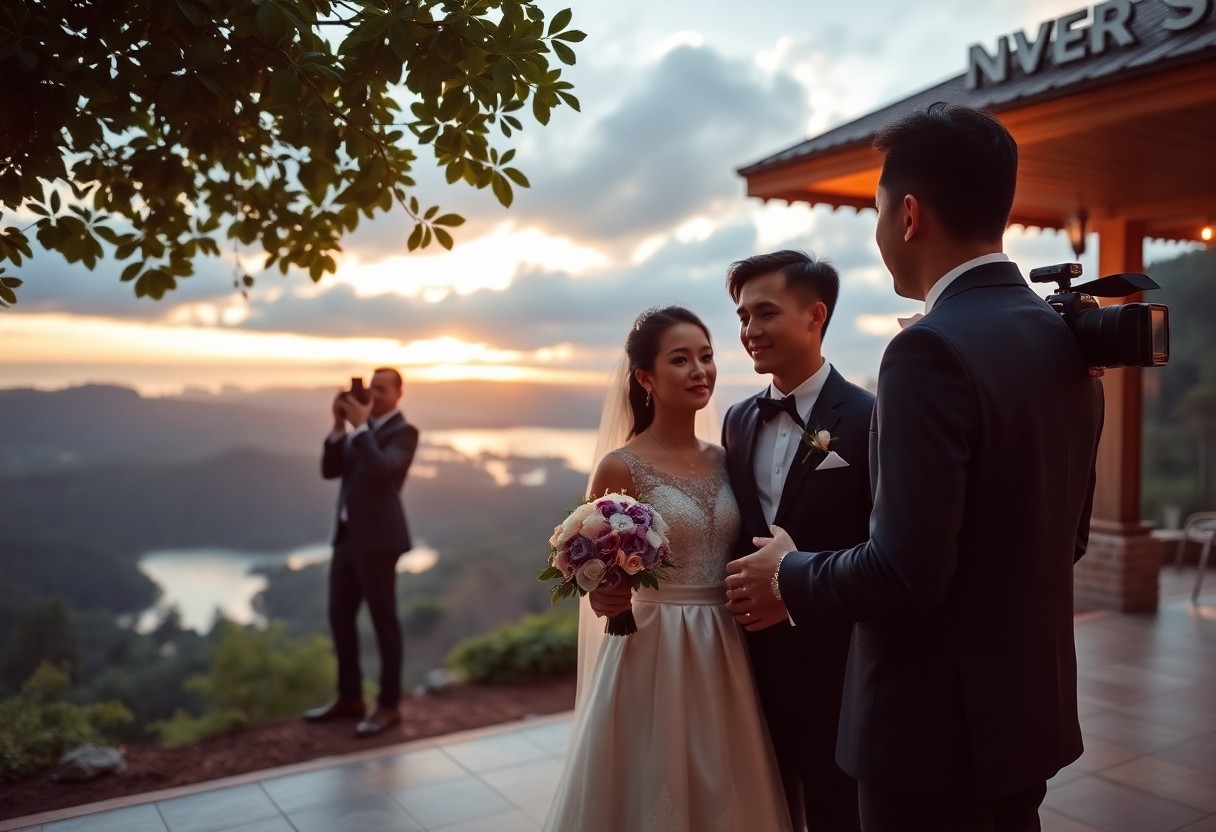
Checklist in hand, you’re ready to begin on the exciting journey of planning the perfect wedding photography destination. This ultimate guide will walk you through necessary steps to ensure your special day is captured beautifully, from choosing the right location to considering lighting and logistics. With this comprehensive checklist, you’ll be equipped to make informed decisions that reflect your unique style and vision for your wedding. Let’s probe the key elements that will help you create unforgettable memories through stunning photography.
Choosing the Perfect Destination
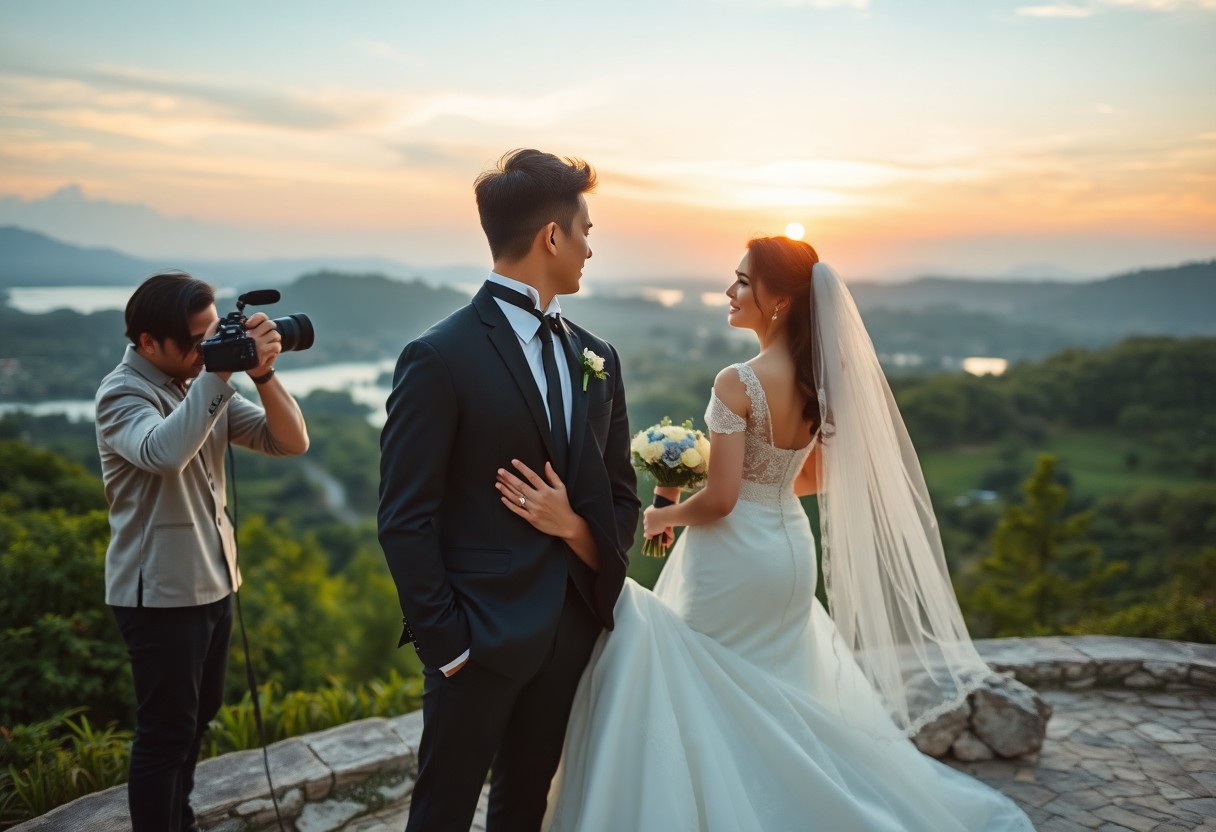
Your wedding destination sets the tone for your entire celebration. When dicking out the perfect backdrop, consider factors such as the atmosphere, significance, and aesthetic appeal of the location. Whether you envision a beachside ceremony, a rustic barn, or a glamorous cityscape, ensure that the destination resonates with your personal style and reflects the love story you want to celebrate. Don’t forget to think about the convenience for your guests, as a destination wedding usually means additional travel for everyone involved.
Consider Climate and Season
Below, consider the climate and season when selecting your wedding destination. Different regions experience varied weather patterns, which can significantly impact your wedding day. It’s imperative to research average temperatures, precipitation levels, and even natural events like hurricanes or monsoons to ensure a comfortable atmosphere for you and your guests. Picking a season that complements your vision will help create the dream wedding ambiance you’ve always wanted.
Accessibility and Travel Logistics
Behind every fantastic destination wedding lies accessibility and travel logistics. Evaluating how easy it is for you and your guests to reach the chosen location is vital for a seamless experience. This includes examining flight options, availability of accommodations, and transportation networks within the destination. If you opt for a remote or exotic location, consider how you will coordinate shuttle services or transfers to ensure your loved ones feel comfortable navigating the area.
Season may affect flight availability, accommodation prices, and general accessibility to your chosen wedding destination. During peak seasons, your guests may face higher travel costs and limited options, while offseason travels might offer better deals but come with potential weather challenges. Assessing these logistical factors early on can save you time and stress in the planning process, allowing you to focus on your dream wedding without the worry of accessibility concerns for you and your guests.
Researching Local Photographers
Clearly, finding the right photographer for your destination wedding is paramount to capturing those once-in-a-lifetime moments. Start by researching local talent in your chosen destination to ensure they’re familiar with the area, venues, and lighting conditions. Read reviews, check their social media for recent work, and look for photographers whose style aligns with your vision. It’s also beneficial to reach out to other couples or wedding planners who may have recommendations.
Portfolio Review
After narrowing down your list, look into each photographer’s portfolio. Look for consistency in their work, paying close attention to the types of shots they excel at and the emotions they capture. A comprehensive portfolio will give you a clear sense of their artistic style, enabling you to assess whether it resonates with your preferences. Don’t hesitate to request additional examples or full galleries to gain a better understanding of their approach to wedding photography.
Understanding Pricing and Packages
At this stage, you’ll want to familiarize yourself with the pricing structures and packages offered by the photographers on your shortlist. Each photographer may have different styles of pricing, which can be influenced by their experience, the range of services offered, and the destination location itself.
Packages often vary widely, typically encompassing variables such as hours of coverage, number of photographers, pre-wedding shoots, and post-production services. Be sure to ask about what each package includes and if there are additional fees for travel or extra hours. Evaluating these details will help you make an informed decision that fits your budget while ensuring you receive the quality of photography that complements your dream day.
Scouting Ideal Locations
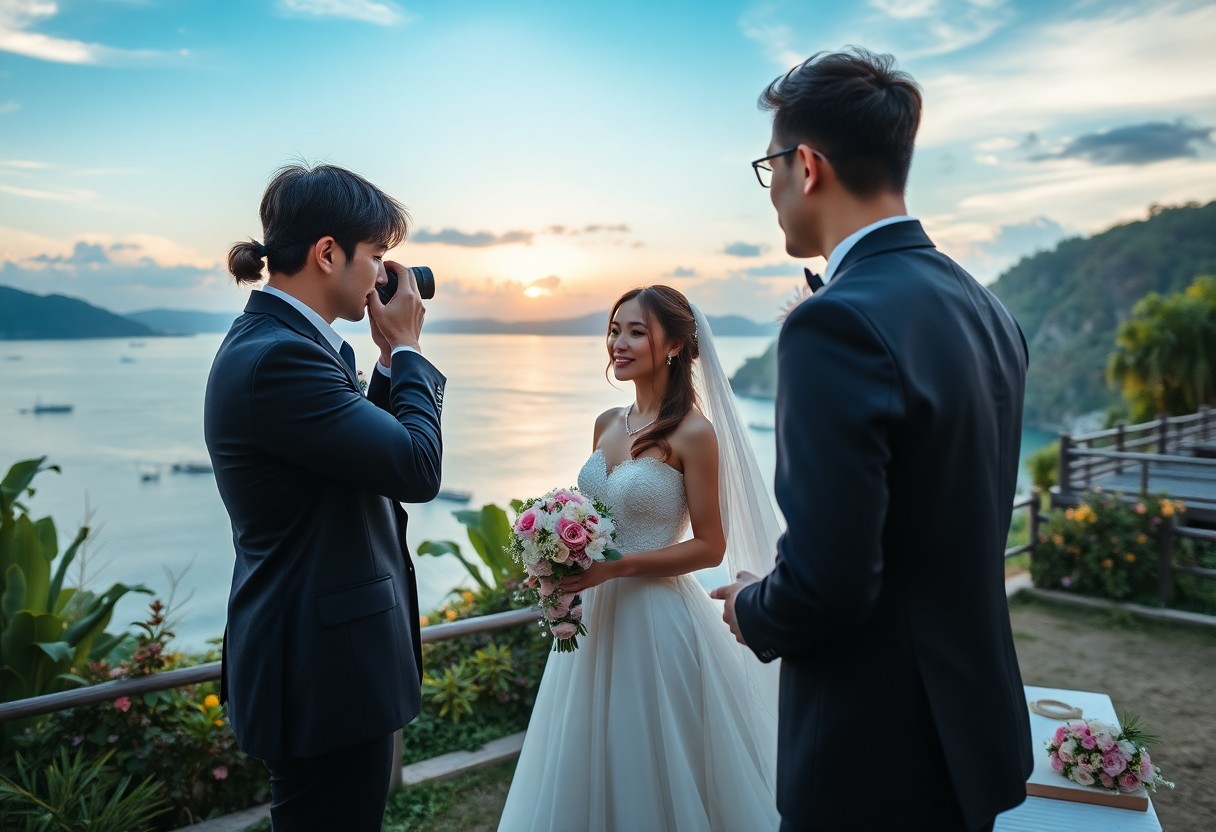
It’s vital to explore a variety of locations that align with your wedding theme and personal style. This not only enhances your wedding photography but also guarantees breathtaking backdrops for your special day. Consider the surrounding environment, lighting conditions, and accessibility for you and your guests. Taking the time to scout these sites will help you visualize the perfect shots and ensure every moment is captured beautifully.
Popular Photography Spots
One of the best ways to kick off your location scouting is by identifying popular photography spots known for their picturesque landscapes and stunning backdrops. From iconic landmarks to picturesque sandy beaches, these locations often have proven tracks of capturing unforgettable wedding memories. Utilizing this knowledge will streamline your planning process and help you communicate your vision effectively to your photographer.
Hidden Gems
Hidden gems offer unique landscapes and settings that set your wedding photography apart from the conventional. These lesser-known spots may include lush gardens, tranquil lakesides, or charming architecture tucked away from the tourist hustle. Finding these locations will not only add a distinct touch to your album but also provides a more personal experience tailored to you.
Photography in hidden gems allows for a more intimate and personalized setting. These locations often feature stunning, unique characteristics that facilitate beautiful compositions, ensuring your wedding photos reflect your distinct style. They may include enchanting forests, serene vineyards, or quaint villages, which can add an exceptional charm and authenticity to your images. Take the time to explore these options, as they can offer a refreshing alternative to the more traditional venues.

Planning Timeline and Checklist
Despite the excitement of your upcoming wedding, having a well-structured planning timeline and checklist is vital for a smooth experience. This guide will walk you through each phase of your wedding photography planning, ensuring no detail is overlooked. By organizing your tasks methodically, you can enjoy your special day while capturing all the beautiful moments in your dream destination.
Pre-Wedding Preparations
Above all, pre-wedding preparations set the foundation for stunning photography. Start by booking your photographer well in advance, ideally six to twelve months before your wedding date. Discuss your vision, preferred styles, and location specifics to ensure everyone is on the same page. Additionally, consider scheduling an engagement shoot to build rapport with your photographer and familiarize yourself with their shooting techniques.
Day-of Photography Schedule
Behind the scenes, a detailed day-of photography schedule is vital for optimal coverage of your wedding events. This timeline should outline when and where each key moment will occur, from getting ready to ceremony to the reception.
Preparations for your day-of photography schedule should include creating a detailed itinerary. Start by listing all significant events, like hair and makeup, pre-ceremony portraits, and reception highlights. Share this timeline with your photographer and bridal party to ensure everyone is aware of the flow of the day. Coordination and communication will not only save time but also provide your photographer the opportunity to capture everything from candid moments to group shots effortlessly.
Incorporating Local Culture
For a truly unforgettable wedding experience, integrating local culture into your photography is vital. This means embracing the unique elements of your chosen destination that reflect its heritage and traditions. From stunning local backdrops to incorporating customs in your ceremony, these cultural details will enhance your wedding photos and create lasting memories.
Traditional Elements
Around the world, each destination boasts its own traditional elements that you can weave into your wedding photography. Whether it’s local attire, ceremonial practices, or regional décor, these aspects can add depth to your images and celebrate the essence of the location. Engaging with local vendors or experts will provide valuable insight into what elements can be beautifully captured during your special day.
Unique Customization Options
Across various cultures, there are unique customization options available that you can incorporate into your wedding photography. From local floral arrangements to culturally significant props, these elements can help personalize your celebration. Collaborating with local photographers familiar with the area can also ensure that these options are captured beautifully in your photos.
Another way to enhance your wedding’s cultural representation is by considering personalized touches that resonate with the local community. This could include custom invitations featuring local artistry, a menu inspired by regional cuisine, or a symbolic ritual that reflects the culture’s traditions. By embracing these unique customization options, you’ll not only create a visually stunning representation of your wedding but also honor the rich culture of your destination.
Finalizing the Photography Contract
Keep in mind that finalizing your photography contract is vital for ensuring a smooth experience on your wedding day. This legal document outlines your expectations and protects both you and your photographer, making it vital to review it thoroughly before signing. Clarifying all details will help you focus on enjoying your celebration, knowing that the important aspects of your photography are secure.
Key Elements to Include
With your photography contract, it’s important to include key elements such as the date and duration of coverage, payment terms, cancellation policies, and usage rights for your images. Ensure that you also specify any special requests or desired shots, as this helps your photographer understand your vision and deliver results that align with your expectations.
Ensuring Clear Communication
Among the most important aspects of finalizing your photography contract is ensuring clear communication. You want to establish an open line of dialogue with your photographer, allowing for any questions or concerns to be addressed promptly. This not only minimizes misunderstandings but also fosters a collaborative relationship that enhances your overall wedding experience.
Photography is an art that thrives on mutual understanding and trust. By fostering clear communication from the outset, you can convey your needs, preferences, and any specific ideas you have in mind. This dialogue empowers your photographer to tailor their approach to your vision, ensuring that the final images reflect your unique love story and the essence of your destination wedding.
Summing up
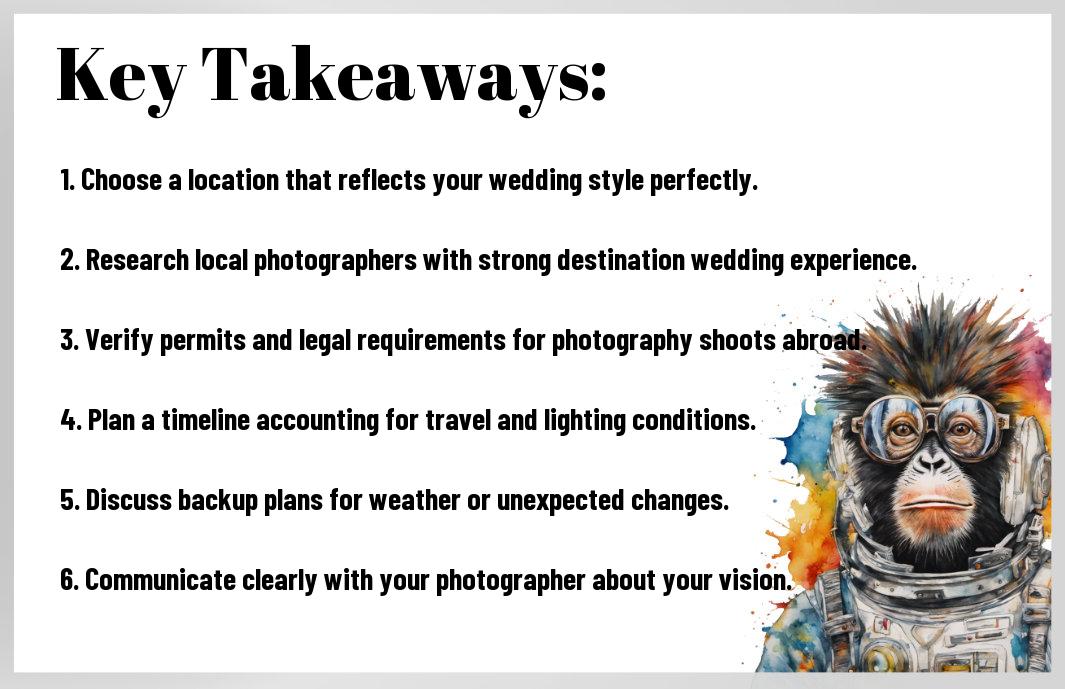
Considering all points, planning your dream wedding photography destination can be an enriching experience that brings your vision to life. By following this ultimate checklist, you ensure that each aspect of your photography journey is thoughtfully addressed, from venue selection to coordinating with your photographer. This organized approach not only helps in visualizing the day but also allows you to fully enjoy each moment as it unfolds. With careful planning, your wedding photography can capture the essence of your love story in the perfect setting.




Leave a Reply
You must be logged in to post a comment.